Now Reading: Synthetic Sincerity, Marc Isaacs’ subversive mockumentary
-
01
Synthetic Sincerity, Marc Isaacs’ subversive mockumentary

With Synthetic Sincerity, Marc Isaacs uses a fake AI research project to strike at glossy documentary filmmaking: ordinary people disappear, and what remains are avatars and celebrities.
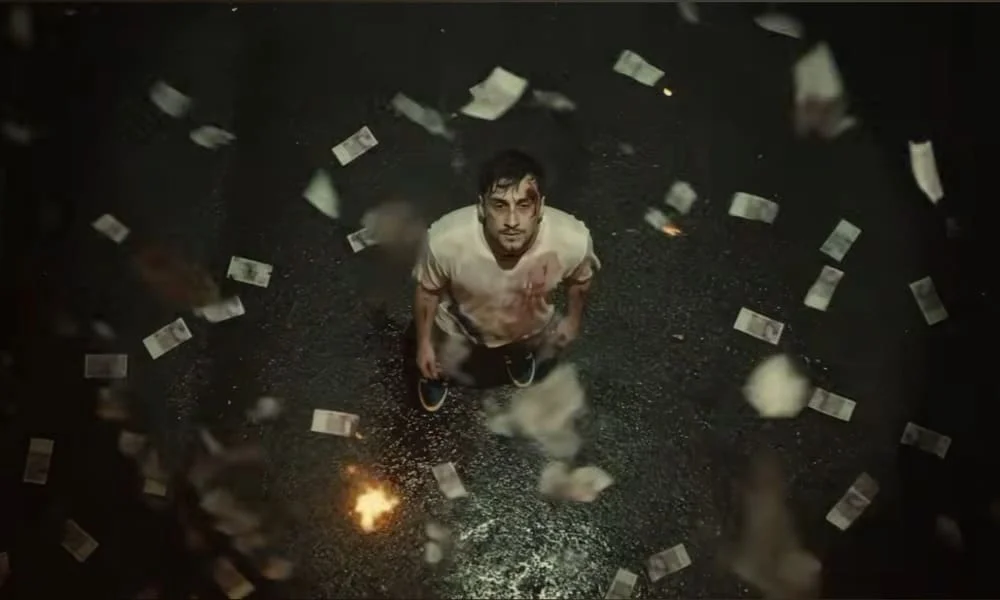
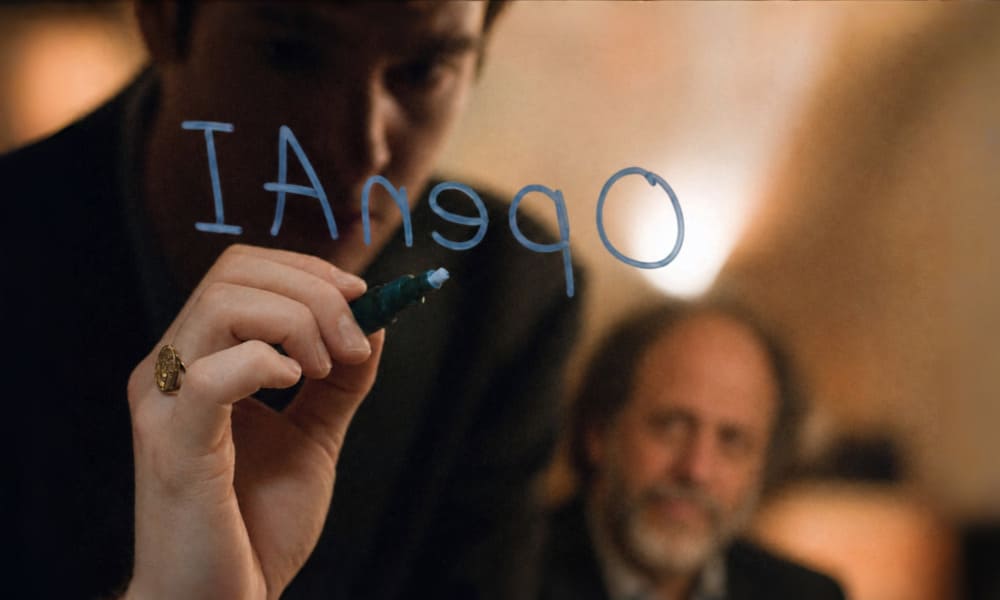
Synthetic Sincerity, released in UK cinemas on 17 July, appears to be a documentary about a university laboratory that acquires the director’s films in order to extract human emotions and build artificial characters. But the laboratory does not exist.
The University of Southern England is fictional. The licence granted to AI is a fabrication. This controlled lie allows the film to hit a very concrete industrial truth: documentary filmmaking is losing interest in ordinary lives, while platforms and producers chase celebrities, recognisable formats and images that are already easy to sell.
Marc Isaacs uses fiction to dismantle constructed authenticity
For twenty-five years, Isaacs has built a cinema made of ordinary people, marginal places, small conversations and apparently negligible gestures. From Lift to The Curious World of Frinton-on-Sea, his work has observed a lateral Britain, the one that does not enter press releases and does not automatically generate promotional clips.
With Synthetic Sincerity, written with Adam Ganz, the director pushes this research into a more ambiguous territory. Non-actors perform written situations, real fragments are mixed with declared inventions, and AI enters the film both as a narrative device and as a cultural threat. The result unsettles the viewer because it forces them to verify every image, every voice, every confession.
When everything can be simulated, even documentary loses the moral comfort of “pure testimony”.
The issue goes beyond taste; it concerns the distribution of attention. If documentary stops looking for those who do not already have a name, a platform, a fanbase or promotional value, entire sections of society disappear from view. AI intensifies this tendency because it works on archives, repetitions and already available patterns. It makes it easier to imitate emotions and harder to truly encounter someone.
In this sense, the imaginary laboratory in Synthetic Sincerity works as a brutal synthesis: it takes films, scrapes faces, catalogues feelings and returns avatars. The human becomes training material. Ordinary life, instead of being listened to, is converted into data.
AI in cinema is useful only when it shows its own price
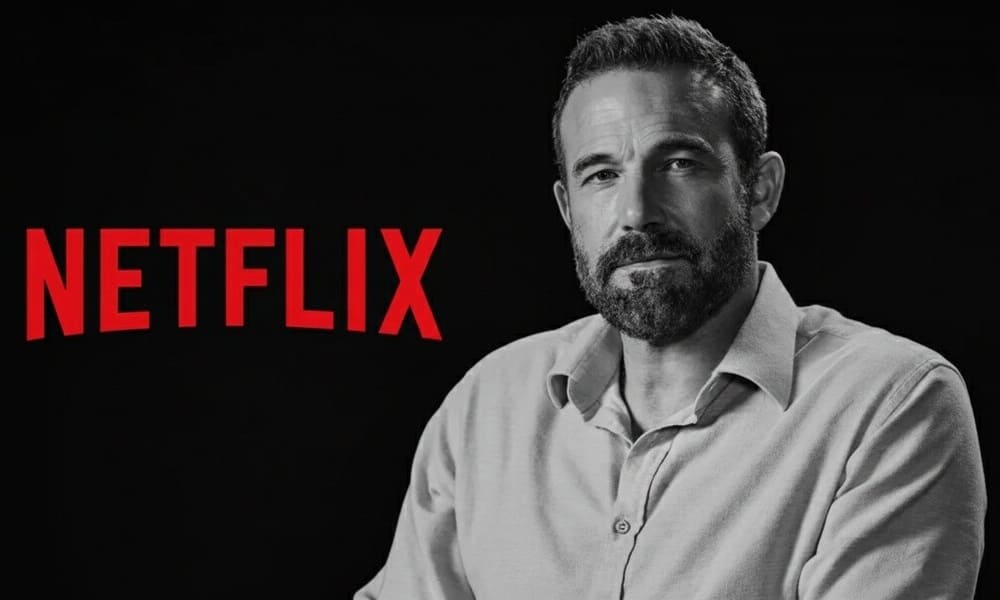
Isaacs recalls a time when the BBC and Channel 4 opened windows onto different lives. Today the market rewards polished, reassuring products, authorised biographies, packaged celebrities, operations such as Netflix’s Beckham or Marc by Sofia, Sofia Coppola’s film about Marc Jacobs.
Isaacs is not making an apocalyptic manifesto.
The film grants AI a wide margin of usefulness: it can give a voice to those who cannot speak freely, as happens with Ablikim Rahman, the Uyghur chef involved in the film; it can serve complex sequences; and it can open up visual forms that are still largely unexplored. But technological enthusiasm ends the moment AI claims to replace the experience of the world, benefiting those who control the archives, monetise faces and turn other people’s memory into synthetic product.
Synthetic Sincerity does not preach. It places the viewer in an uncomfortable position and forces them to do the work many contemporary images avoid: doubting, distinguishing, asking who is watching whom. The most subversive gesture remains portraying the human without turning it into spectacle, data or content.