Now Reading: Javier Bardem and the Romantic Toxicity of the Film Set
-
01
Javier Bardem and the Romantic Toxicity of the Film Set

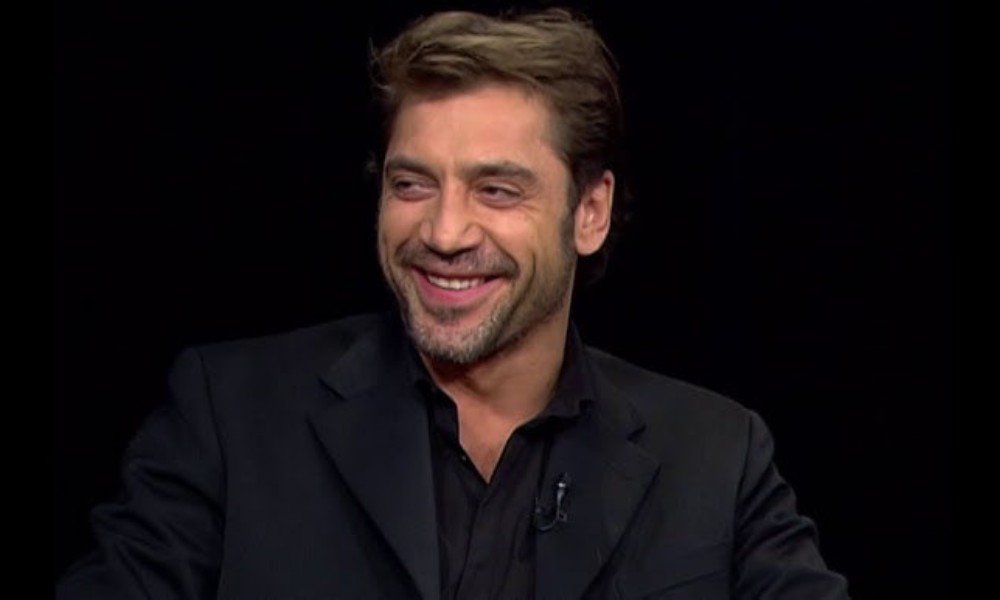
In London, Javier Bardem defends safe sets. But his career reveals how long cinema has confused suffering, method, abuse and artistic quality on set.
In London, Javier Bardem defends safe sets. But his career reveals how long cinema has confused suffering, method, abuse and artistic quality on set.
Javier Bardem chose a fairly definitive expression to describe the set of Bunker, Florian Zeller’s new film presented at the London Film Festival: “You have to keep toxic personalities away.”
Before technique, he explained, comes the feeling of being safe. In that respect, Zeller is apparently the opposite of the director who turns a set into a small survival experiment.
Serendipitously, in Bunker, Bardem plays an architect who agrees to design a luxury shelter for a technology billionaire, while social divisions, privilege and paranoia grow outside.
When hurting yourself seemed part of the job
In 2010, speaking about Alejandro González Iñárritu’s Biutiful, he said he could not have played that character without “putting himself at risk.” Five months inside a sick and desperate man, with very little room to step out of character. The result earned him an Oscar nomination.
But something, meanwhile, had cracked. Bardem would later explain that some of the most emotionally charged scenes were, in his eyes, among the worst: he had reached such a level of exhaustion that emotion emerged almost automatically. Audiences saw intensity; he was beginning to see the mechanism.
Things had gone even further while working with Terrence Malick. During preparation for To the Wonder, Bardem was sent with the photographer to a small Oklahoma town to meet people scarred by drugs, illness and violence while remaining in the role of a priest. Richards recounted that the actor was so shaken by the experience that he had to stop working for a while. Years later, Bardem would sum up the change in a sentence less romantic than any acting manual: “I don’t hurt myself anymore.”
Javier Bardem: the set and the old technology of suffering
This is where the London statement becomes less uplifting and more interesting. Because Bardem is not simply asking for kind sets. He is describing, a few years behind his own body, a much older confusion: the one between suffering and depth.
In 2025, he had put it even more bluntly. If an actor wants to stay in character twenty-four hours a day, that is fine with him. But if the actor uses the character as a license to mistreat crew and colleagues, it is not art: it is abuse.
For decades, part of cinema’s mythology worked the other way around: the impossible director was demanding, the broken actor was generous, the unbearable set produced truth. Suffering appeared in backstage accounts almost as a certificate of authenticity. If nobody had risked a breakdown, perhaps they had not dug deep enough.
Today, Bardem proposes a far less spectacular heresy: that an actor can go deep without dragging the costume department down with him. And that feeling protected does not automatically make you less courageous.
Curiously, it took a film about bunkers to say it out loud.