Now Reading: Elon Musk Bets a Billion on Skydance’s New Hollywood
-
01
Elon Musk Bets a Billion on Skydance’s New Hollywood

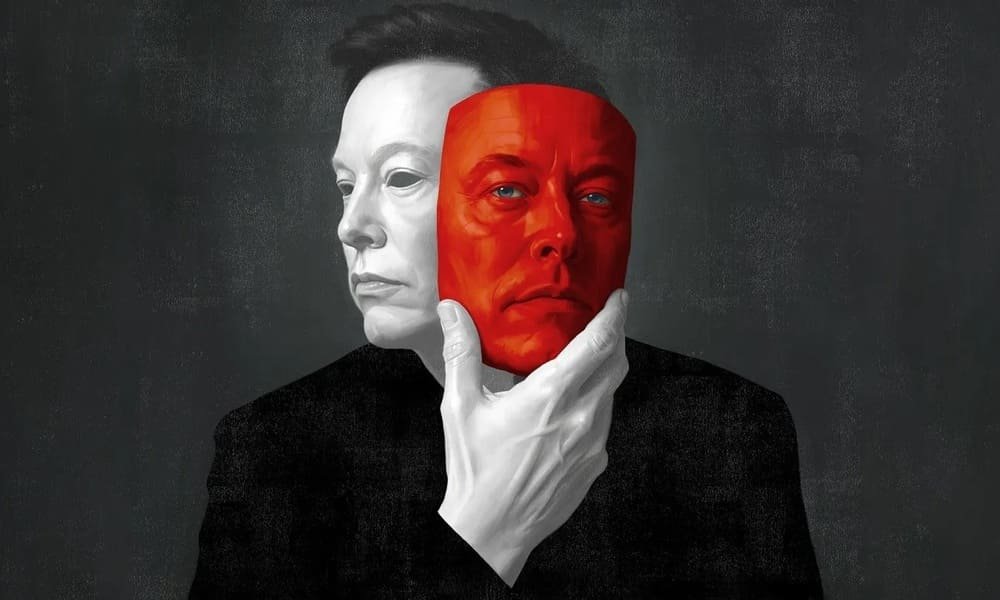
Elon Musk has invested around a billion dollars in the Skydance group formed by the combination of Paramount and Warner Bros. Discovery, joining other investors in a fresh capital injection.
Elon Musk has invested around a billion dollars in the Skydance group formed by the combination of Paramount and Warner Bros. Discovery, joining other investors in a fresh capital injection.
In 2022, Larry Ellison put a billion dollars into Musk’s purchase of Twitter.
The elder Ellison also personally guaranteed more than $40 billion of the financing needed to acquire Warner Bros. Discovery. There is little to add: sometimes power relations have the virtue of presenting themselves directly as accounting entries.
And the bill, in this case, is substantial. One hundred and ten billion dollars to put Paramount and Warner Bros. Discovery under the same roof, more than 53,000 employees, HBO and CBS, CNN and Paramount+, Batman, Harry Potter, Mission: Impossible and enough intellectual property to fill several human lifetimes.
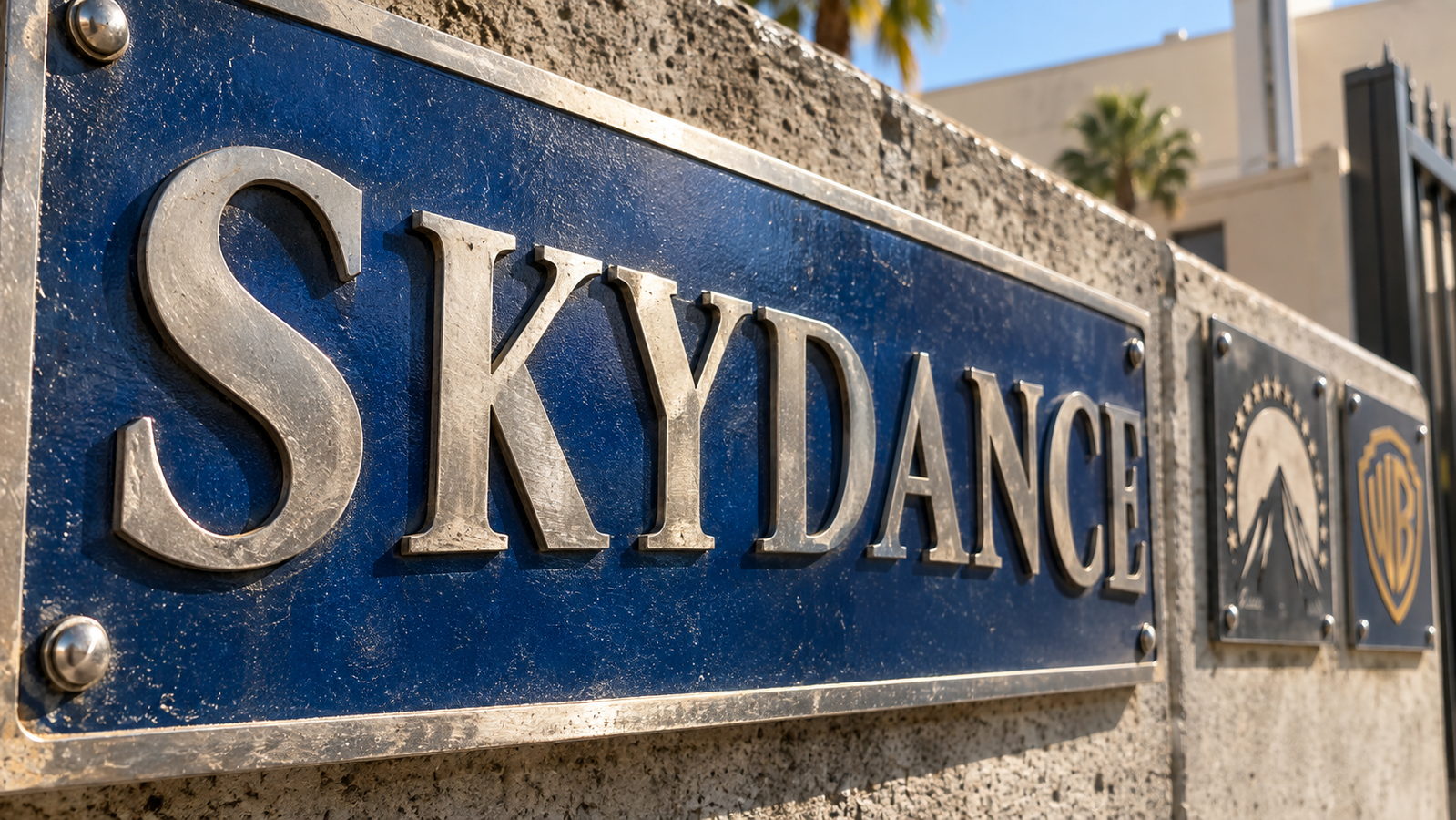
Since October 6, all of this has had a single name: Skydance. David Ellison presented it as the company finally able to compete at the scale of Netflix, Disney, Amazon and the other giants that have spent years explaining to Hollywood that survival requires getting even bigger.
Elon Musk puts in a billion; Skydance looks for six billion in cuts
The new Skydance finds itself with more than $80 billion in debt and a stated goal of achieving at least $6 billion in “synergies” within three years. In their memorandum to employees, Ellison and co-CEO Ynon Kreiz have already prepared the necessary vocabulary: there will be “difficult decisions” affecting the workforce. It is the elegant way a $110 billion company tells 53,000 people that the merger’s romantic phase is over.
The billion attributed to Musk therefore arrives as Skydance seeks fresh capital, cuts costs and tries to support its share price. The new shareholder, meanwhile, is coming in while they are still deciding what should remain of the empire.
The synergies have started showing up
In recent days, the merger has produced something more concrete than an investor presentation: a new organizational chart.
An internal memo obtained by Business Insider on October 22 revealed Skydance’s new technology and product structure. Four senior executives from Warner Bros. Discovery are leaving: chief technology officer Avi Saxena, streaming product chief Tyler Whitworth, chief information officer Dave Duvall and cybersecurity chief Trish Collins Weedon. Three will remain temporarily as advisers during the transition. Executives from Paramount, meanwhile, dominate the new organization’s leading positions.
The following day, it was advertising’s turn. Another internal memo introduced a unified structure built, in the words of its head, Jay Askinasi, around “clear ownership, fewer layers”: clearer responsibilities and, above all, fewer levels. Two presidents from Warner Bros. Discovery’s advertising division will continue working with the company until the end of the quarter as the group settles its final structure.
The reorganization has also reached streaming. On October 23, Casey Bloys redesigned the structure of HBO Max and Paramount+: Jane Wiseman, head of Paramount+ originals, will not be part of the new arrangement, while some of her responsibilities will pass to Sarah Aubrey from HBO Max.
The cost of synergies
Skydance says the savings will come from technology, procurement, marketing, real estate and infrastructure integration. It is plausible: two streaming platforms, two administrative machines and two century-old companies offer plenty of places to find something that, after a merger, suddenly becomes a duplication.
Los Angeles County had tried to quantify in advance what that might mean. A study published in August estimated that up to 4,500 direct jobs in local film and television could be at risk over three years, with a total of 10,360 job-years exposed when indirect and induced activity is included. The report specified that this was not a forecast of layoffs, but an estimate of the risk created by consolidation.
The agreement that allowed the merger to proceed also contains a curious insurance policy for the future: Skydance must invest $9.5 million a year for five years in professional training, career development, film programs and arts organizations. Total: $47.5 million. We do not yet know how many people will lose their jobs; we already know that someone thought it prudent to fund what they might need afterward.
The thirty films Skydance had to promise
The most interesting part comes when Skydance talks about creativity.
In its official presentation, the group describes itself as “creative-first” and points to greater scale as an opportunity to expand production and choice. But at least some of that production is not being entrusted solely to the new giant’s creative calling.
The agreement reached with twelve US states after the antitrust lawsuit requires Skydance to release at least 30 films a year in the first two years and 32 in the following three, including at least four independent titles each year. At least half must be produced or co-produced by the group, and requirements also cover theatrical windows and the scale of releases.
If Skydance falls below the required quota, it can be forced to divest Miramax after the period allowed to remedy the shortfall; it must also pay $30 million for each missing film. The agreement additionally requires $1.5 billion in extra US production over the five years and a fund of $5 million a year to acquire independent films.
The thirty films, in other words, are locked in by the agreement. Everything else — headcounts, layers, functions and costs — is where Skydance still has to find its six billion.