
AI music can be generated at industrial scale and streamed by bots. When both supply and demand can be automated, streaming economics starts to change.
AI music can be generated at industrial scale and streamed by bots. When both supply and demand can be automated, streaming economics starts to change.
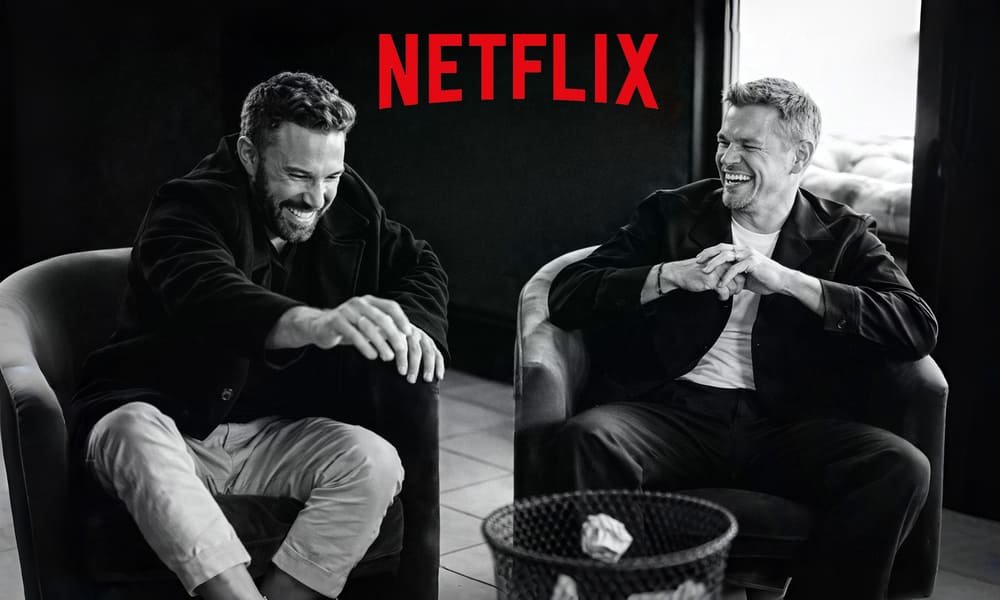
Ben Affleck and Matt Damon are opening Artists Equity Independent Pictures, a new label backed by a dedicated fund for emerging filmmakers. The return to independent cinema sounds nostalgic. Its economics are not.
The Paramount-Warner merger promises more movies. The failure of one expensive bet leaves a less comfortable question behind: who will still have permission to try something different?
The next infrastructure contest may not be about the best GPU. It may be about who can make different chips, memory and networks behave like one coherent machine.

At Zurich, MUBI promised to keep the films it produces away from AI while producers debated lower costs, new capital and shrinking financing options. The human may be on its way to becoming cinema's luxury standard.
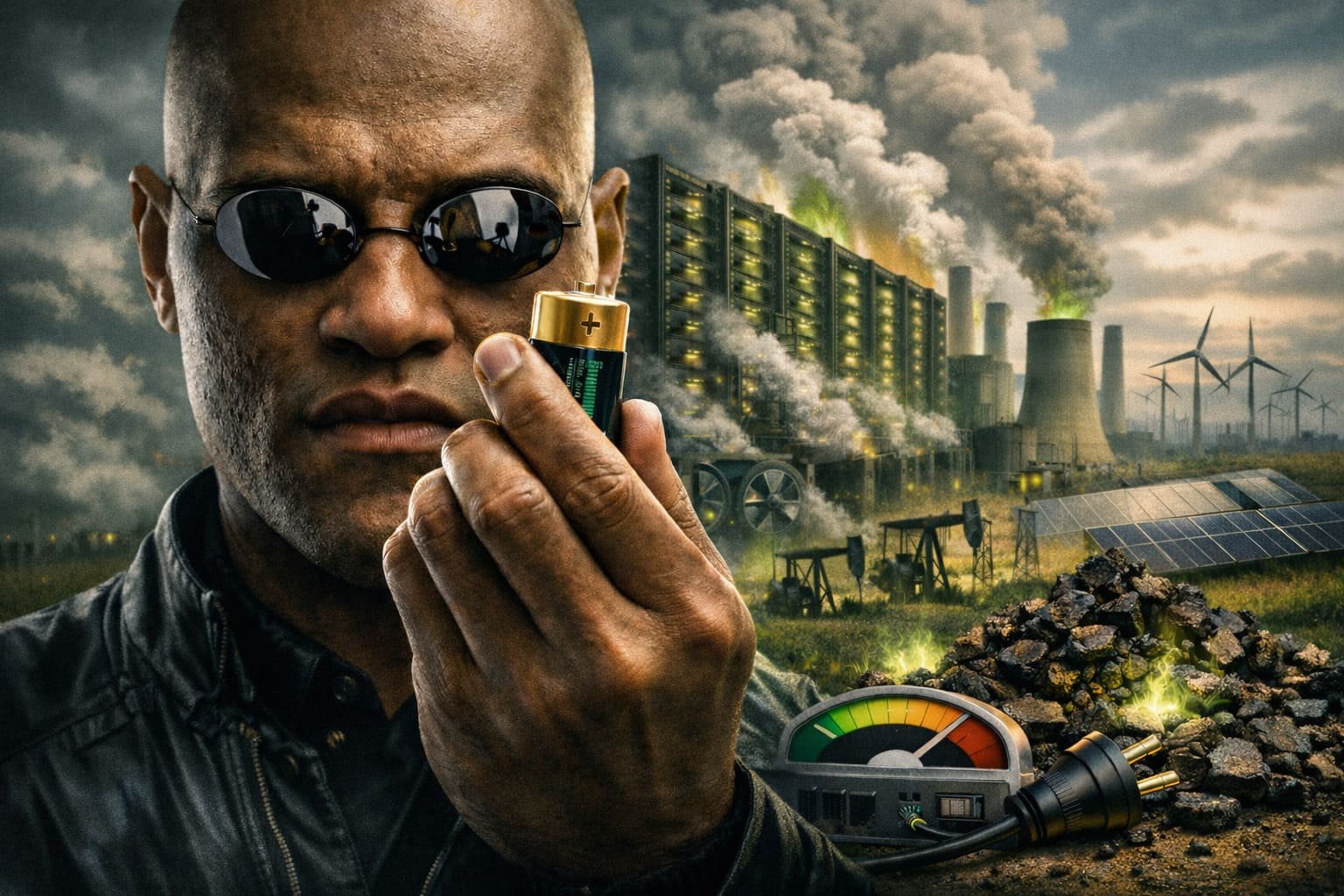
AI may eventually reduce costs through productivity. Before that happens, data centers, chips, energy and debt are already making the technology intensely physical.
AI agents may not eliminate digital platforms. They can place a new intermediary above them — one that controls the decision instead of merely the click.
Europe does not need to build every technology itself. Digital sovereignty begins with something less dramatic: retaining the practical ability to leave.
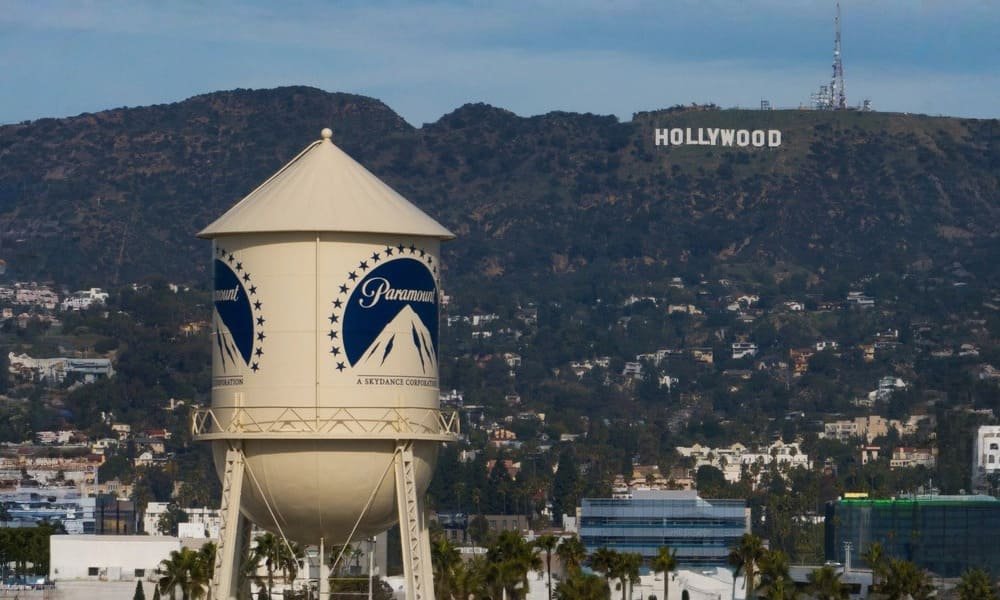
The Paramount-Warner deal turns antitrust into a contract: fewer competitors, but quotas, investment floors and penalties meant to imitate competition.

John Wilson wanted to make a documentary about concrete. The financing process turned the film into a study of how the industry tries to standardize originality.