Now Reading: Tom Cruise Is Digger: Unrecognizable, Yet Still Indispensable
-
01
Tom Cruise Is Digger: Unrecognizable, Yet Still Indispensable

With Alejandro González Iñárritu’s new film, Tom Cruise seems to step out of the body of the action hero and into the more ambiguous one of the tycoon who causes the disaster and then expects to save us.
The new material released for Digger does not really resemble a traditional trailer, because before selling the film, it sells Tom Cruise as an institution, as a living archive of industrial cinema, as a body that for decades has kept running, jumping, flying, hanging from airplanes, restarting theaters and franchises, until he became not only a star but a kind of emotional infrastructure for a very specific idea of American cinema.
The retrospective on his forty-six-year career, placed alongside the first glimpses of the new character, is not a neutral nostalgic gesture, because it establishes a very explicit continuity between the man audiences have learned to trust at the center of the action and the character who now appears to embody a more grotesque, more toxic, and more contemporary form of power.
Digger Rockwell Is the American Hero Taken to His Toxic Extreme
Alejandro González Iñárritu’s film tells, at least from what has been allowed to surface so far, the story of one of the most powerful men in the world, who tries to present himself as humanity’s savior before a catastrophe he himself unleashed destroys everything. It is difficult to imagine a premise more suited to the present if the aim is to speak, without spelling everything out, about the way economic power produces crises, disorder, emergencies, narratives of panic, and then reappears before the public as the only structure large enough to contain them.
The oil tycoon Digger Rockwell is not simply “another crazy role” for Cruise, but a way to move the cult of the hero into a territory where the messianic energy of the action movie is contaminated by the figure of the billionaire, the charismatic boss, the man who wants to be believed precisely when he should no longer be trusted.
The trailer plays on a very clear contradiction: first it celebrates Cruise’s career, then it shows the anomaly of Digger, as if Warner Bros. needed to remind viewers of all the trust accumulated over forty-six years before presenting them with a figure who, at least on paper, should sabotage that very trust. It is a clever promotional choice, but one that also reveals how, when Hollywood now wants to sell the deformation of a star, it must first reaffirm the myth.
Tom Cruise as Moral Guarantee, Even When He Is Under Accusation
If audiences enter the theater carrying with them Ethan Hunt, Maverick, Jerry Maguire, Frank T.J. Mackey, Les Grossman, and the entire mythology of the actor who never backs away from the limit, then the film can ask viewers how far they are still willing to believe a man who speaks like a savior, moves like an absolute performer, and yet belongs to a world where salvation is often only the second phase of the damage.
After years of cinema often weighed down by its own ambition, Iñárritu may find in black comedy a form better suited to cutting into the present, because contemporary disaster is managed, branded, and presented in conference rooms. It no longer arrives only as an event, but as a press release, a crisis strategy, a form of responsibility transformed into performance.
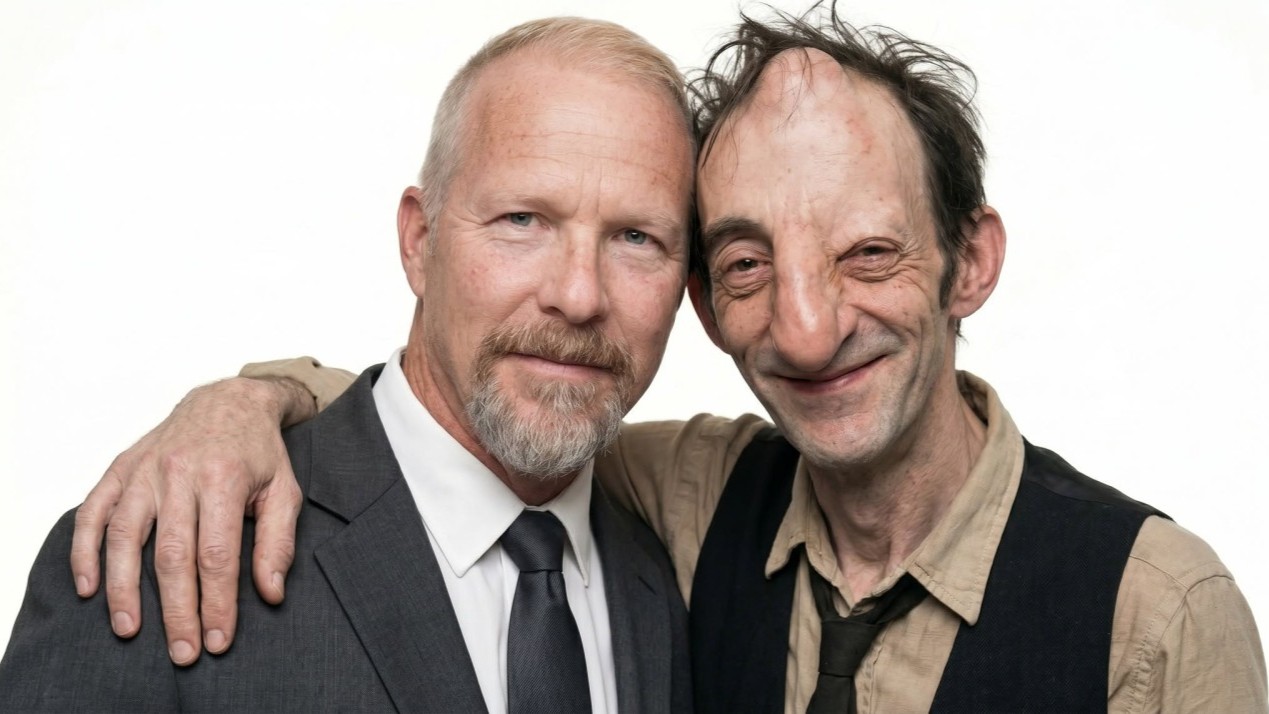
A powerful man stands before the world and tries to convince it that only he can speak the truth, after helping make that truth impossible to reach. The makeup, the accent, the exaggerated age, and the grotesque posture still do not erase the star. The difficulty of separating the critique of power from the fascination with the person embodying it becomes the perfect stunt for the third-richest actor in the world: a man who digs the hole, falls into it along with everyone else, and still expects applause for having brought a shovel.