Microsoft Turns Gaming IP into Films, Series, and Licenses

EditorsGaming2 days ago68 Views

Xbox is preparing more than a dozen films and series: from Sea of Thieves to Gears of War, Microsoft is bringing worlds already inhabited by audiences to the screen.

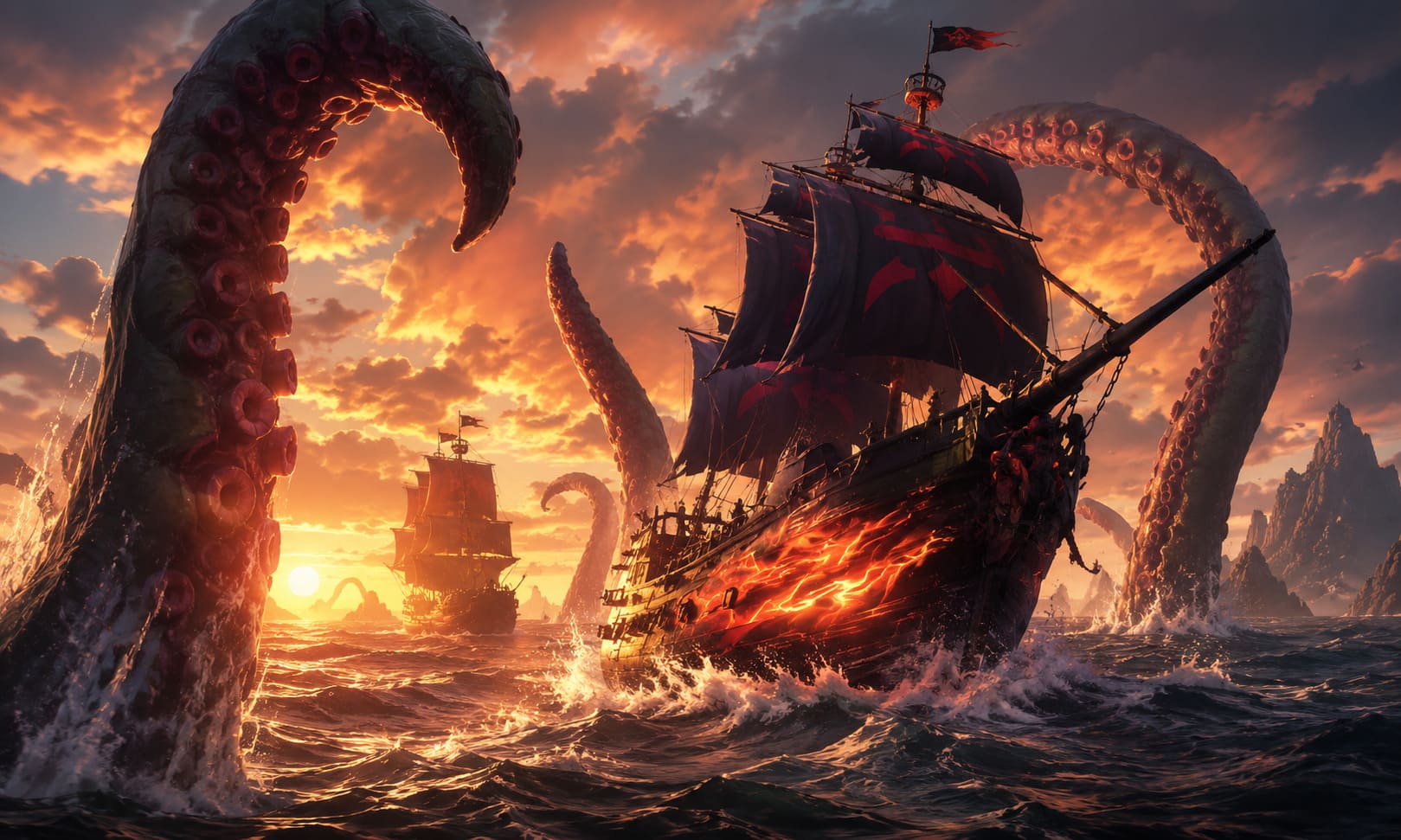
Xbox is bringing its video games into cinema and television with an increasingly clear strategy: turning already popular brands into audiovisual products capable of extending the commercial life of its IP beyond consoles, PCs, and subscriptions. The news of a live-action Sea of Thieves film, produced by Destin Daniel Cretton through Hisako Films, is part of a broader plan involving more than a dozen projects tied to the Xbox universe, including Gears of War, Wolfenstein, Fallout, and Minecraft.

The move comes at a time when video game adaptations are no longer seen as a marginal gamble. Recent results have changed the industry’s perception: A Minecraft Movie grossed around $960 million worldwide, while Fallout proved that a series based on a game can also speak to viewers unfamiliar with the original material, provided it preserves its tone, atmosphere, and visual identity.

Microsoft Brings Already-Formed Communities to the Screen

Asha Sharma used Call of Duty as proof of the strength of Xbox’s catalog: according to the CEO, the franchise has now surpassed the Marvel Cinematic Universe in overall revenue, signaling to audiovisual industry players that Microsoft is not simply offering games to be adapted, but global brands with established revenue, audiences, and recognition.

The case of Sea of Thieves is interesting because it starts from a game that does not have the classic narrative structure of many action-adventure titles. In 2024, Rare announced that the game had surpassed 40 million players across Xbox, Windows, and Steam, a figure that makes the brand appealing even before any discussion of plot, cast, or direction. The audience already exists. It knows that world, its rules, its language, its maps, its rituals, and its shared moments.

This commercial strength, however, creates a precise creative problem. Sea of Thieves thrives on cooperation, chaos, exploration, comic failure, improvised raids, and the feeling of being inside a world where the story emerges from the actions of the group. Bringing it to cinema means compressing an open-ended experience into a story with protagonists, conflict, and dramatic progression.

Gaming Becomes an Industrial Reserve of Worlds

Gears of War, by contrast, begins with an imaginary world much closer to cinematic action: permanent war, armored bodies, underground monsters, military camaraderie, urban destruction, and constant siege. The Netflix project, with David Leitch involved as director and Jon Spaihts as screenwriter, can work with codes already familiar to audiences of large-scale spectacle. In this case, the adaptation must above all manage scale, tone, and violence without betraying the heavy, brutal aesthetic of the saga.

Microsoft owns something that today is worth more than a single character: accumulated playtime from millions of users, active communities, behavioral data, emotional memory, and updatable universes. Bringing these properties to the screen allows the company to strengthen the value of its brands, reach new audiences, and keep Xbox central even outside hardware.

The challenge will be distinguishing adaptations designed to truly translate a world from those built merely to exploit its notoriety. Microsoft has many IPs to offer. Now it has to prove that it is not simply stretching its brands, but that it can transform them into cinema and television without hollowing them out.

Leave a reply

Loading Next Post...
Search
Loading

Signing-in 3 seconds...

Signing-up 3 seconds...