Now Reading: Hasbro and AI: the new market of behavioral likeness
-
01
Hasbro and AI: the new market of behavioral likeness

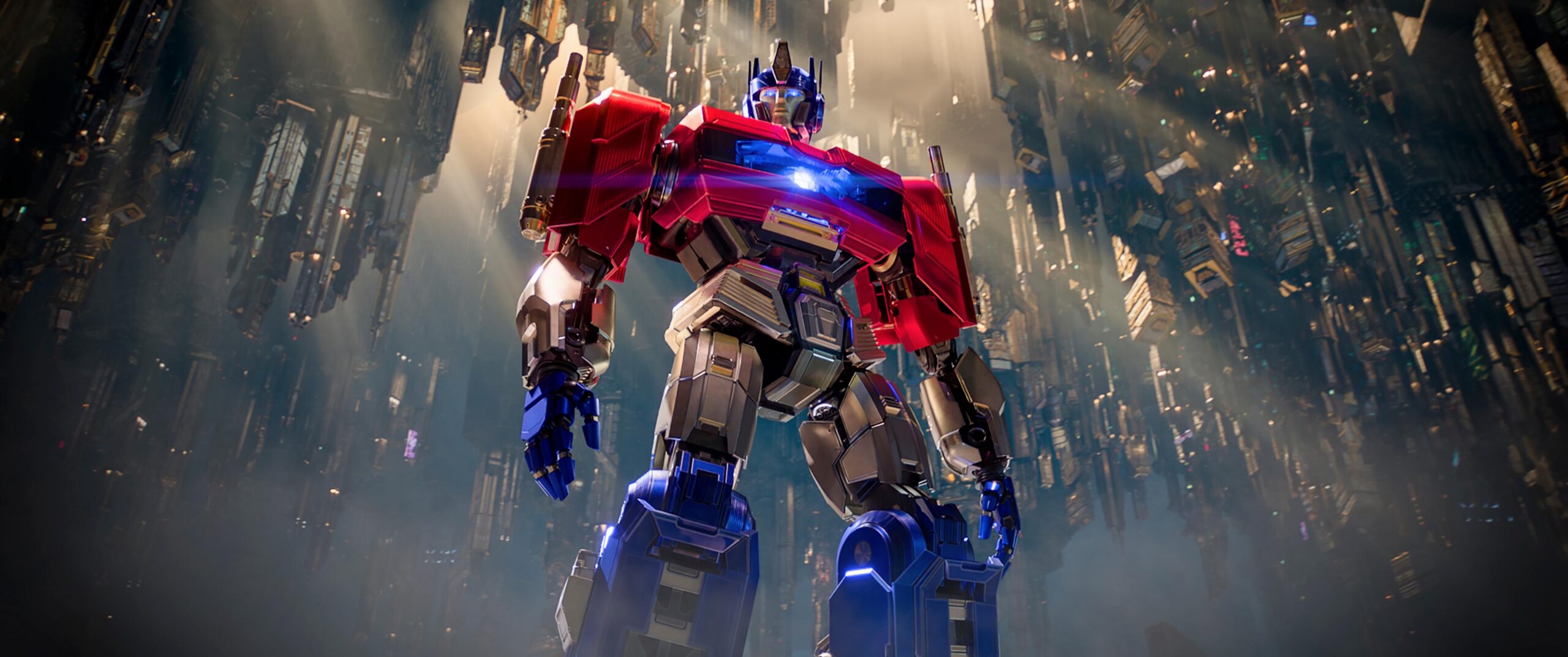
Hasbro launches Sixth Wall, an AI studio designed to license characters such as Optimus Prime and Mr. Potato Head: the future of entertainment is becoming interactive.
Optimus Prime no longer has to speak only from a screen, a cartoon or a toy with three prerecorded phrases: today he can respond, converse and enter an interactive experience, a game, a theme park or a connected physical product.
Hasbro has launched Sixth Wall, a new internal studio dedicated to AI characters, together with a partnership with ElevenLabs and a model called Behavioral Licensing, designed to authorize the dynamic use of its characters in chat, voice, games, robotics and interactive storytelling.
Hasbro and Sixth Wall: the franchise enters the age of AI actors
Until now, licensing the imaginary worked in a fairly simple way: companies granted images, logos, names, voices, characters, toys, series, films and video games. Now the character becomes authorized behavior, a conversational asset to be licensed.
The new system is called CharacterOS and, according to the official announcement, it is designed to preserve the personality, canon, voice and safety limits of characters in interactive experiences. In practice, if a company wants to use Optimus Prime, Megatron, Cobra Commander, Mr. Potato Head or the characters from Clue in an AI environment, it is not just buying a face or a voice. It is buying a controlled way of speaking, reacting, responding and staying “in character.”
Hasbro is also presenting the operation as a response to the unauthorized versions of its characters already circulating on AI generation platforms, chat services, voice tools and content platforms. Instead of chasing every imitation with cease-and-desist letters and lawsuits, the company is trying to create an official, monetizable and controlled channel.
ElevenLabs and the new market of on-demand imagination
Hasbro says that, in partnership with ElevenLabs, it has worked with authorized materials and voice talent, aiming for a model in which voices are not simply cloned and exploited, but integrated into a recognizable commercial system.
Sixth Wall will start with twelve characters, with an initial focus on 13+ experiences and enterprise use cases; Hasbro specifies that it is not currently developing AI products aimed at young children and that it is participating in the debate around safety standards and voluntary guardrails for AI-enabled play.
For Hollywood and the entertainment industry, this is a huge step: after squeezing sequels, reboots, spin-offs and shared universes, the next level will be the always-available character — no longer two hours of cinema, but a continuous, monitored, licensed and monetized relationship.