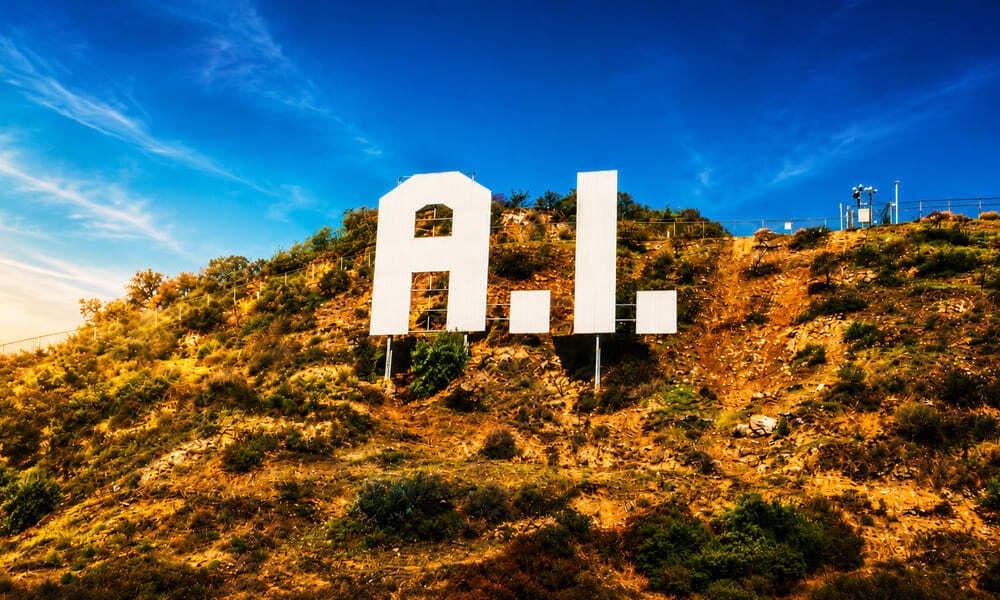
AI and cinema in 2026 is now a struggle over authorship, synthetic performers, labor, production systems and who controls the moving image.

AI and cinema in 2026 is now a struggle over authorship, synthetic performers, labor, production systems and who controls the moving image.
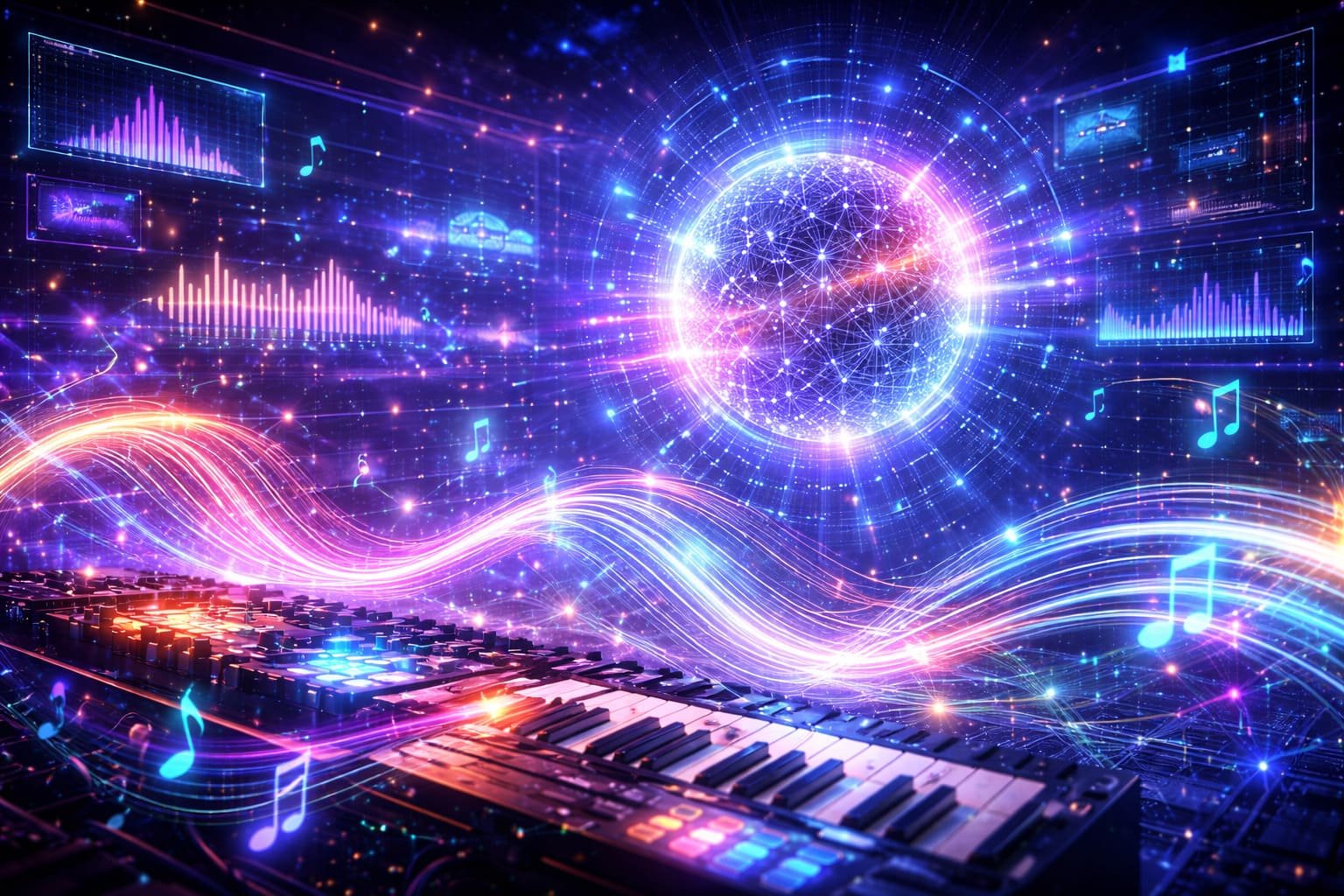
AI music can be generated at industrial scale and streamed by bots. When both supply and demand can be automated, streaming economics starts to change.
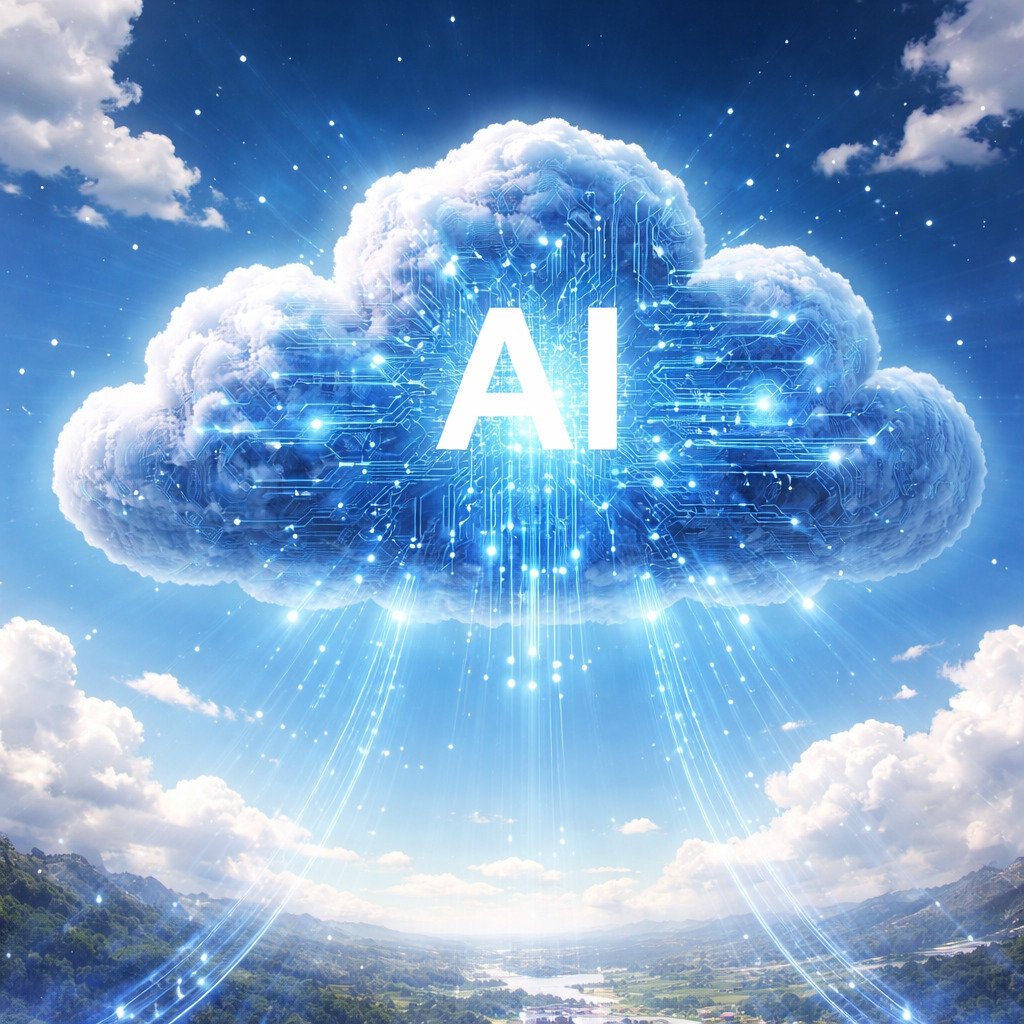
AI is moving back onto personal devices, but the cloud is not going away. The emerging architecture is hybrid — and it changes costs, privacy and platform power.
The next infrastructure contest may not be about the best GPU. It may be about who can make different chips, memory and networks behave like one coherent machine.
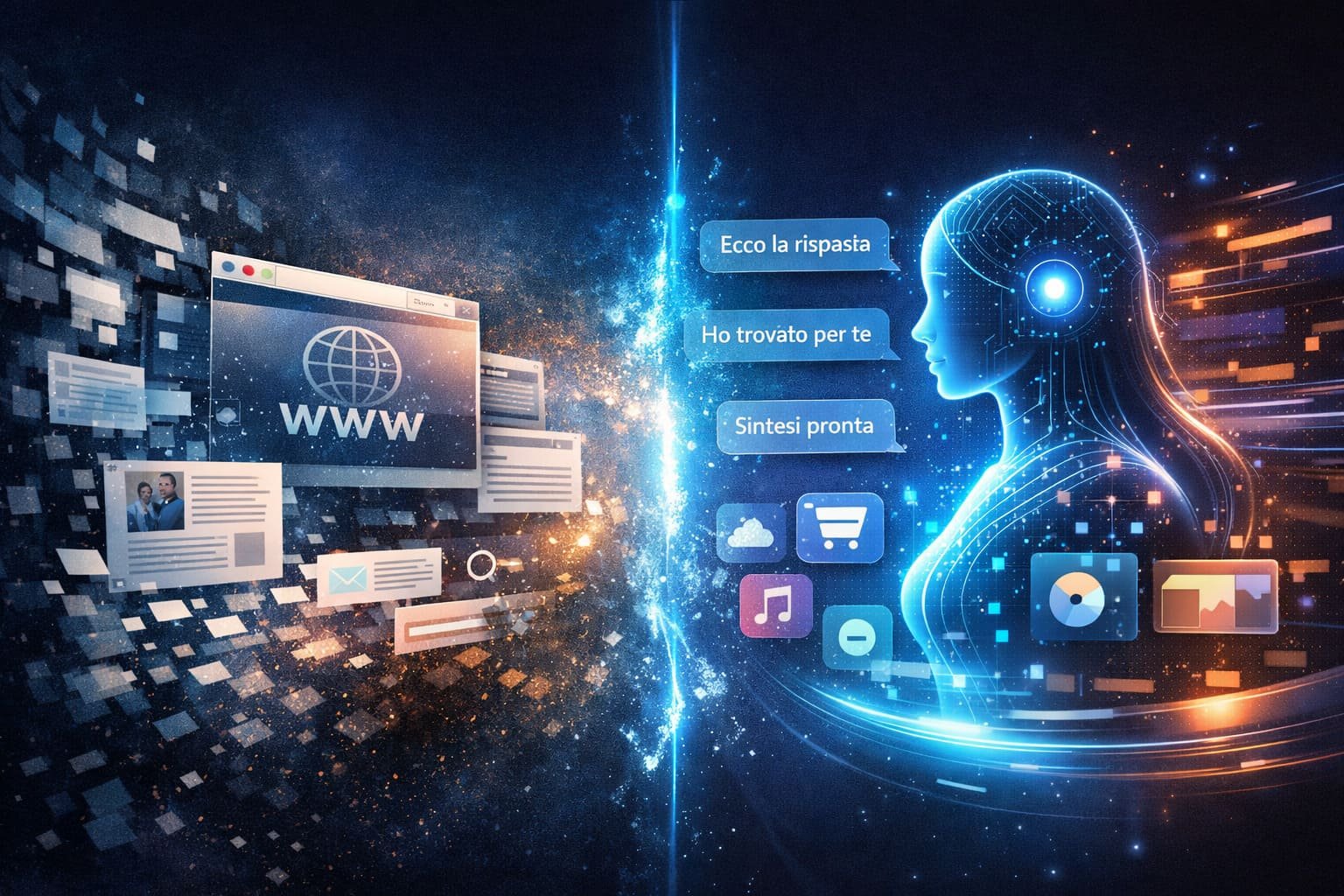
The web gave AI text and images for free. Biology, robotics and science need observations that do not yet exist — and producing them changes the economics of AI.
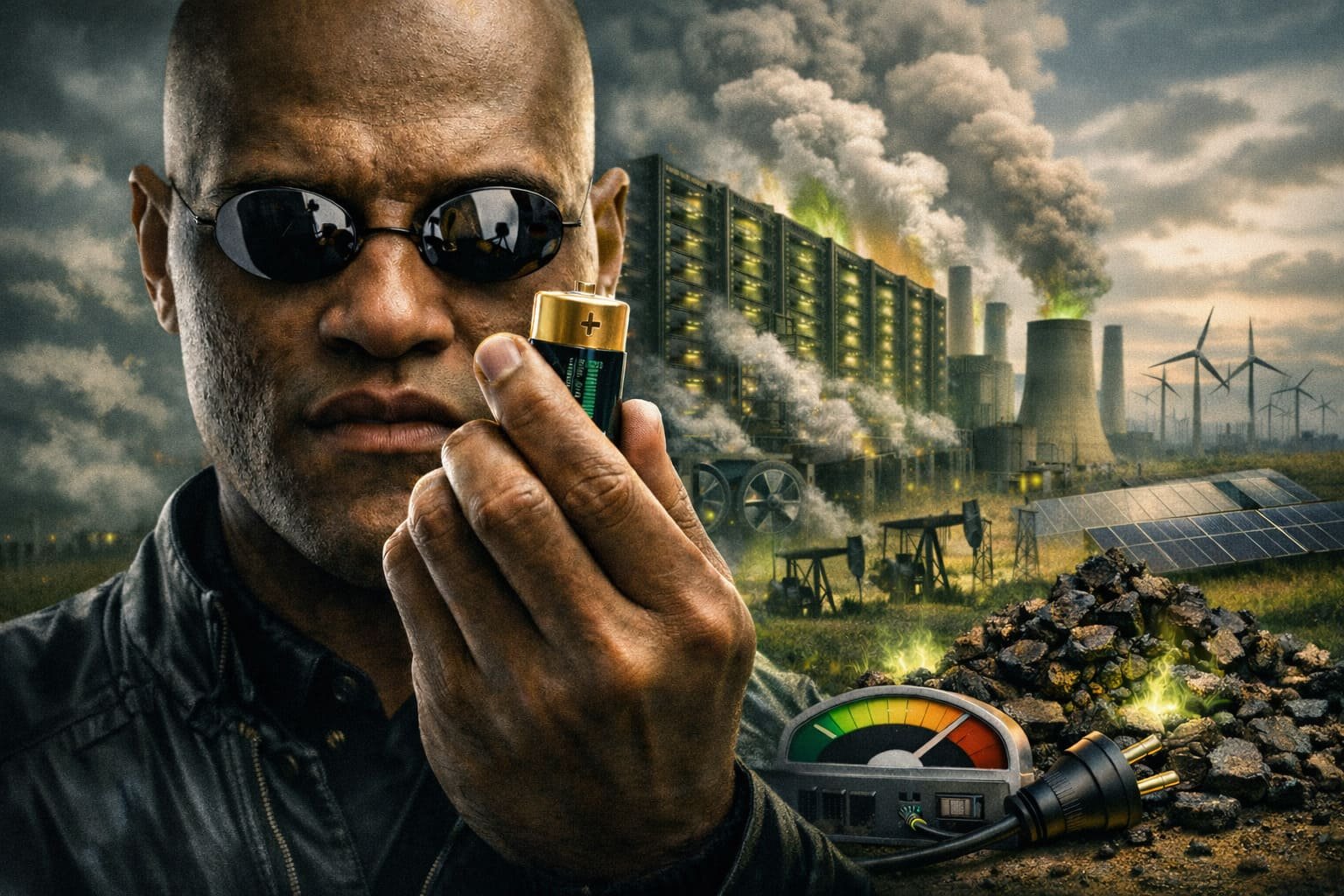
AI may eventually reduce costs through productivity. Before that happens, data centers, chips, energy and debt are already making the technology intensely physical.
AI agents may not eliminate digital platforms. They can place a new intermediary above them — one that controls the decision instead of merely the click.
A chatbot can give a bad answer. An AI agent can send it, execute it or use credentials to act on it. That turns model risk into operational security.
The real shift from chatbots to AI agents is not better conversation. It is software that can pursue an objective, use tools and keep working after the chat ends.
The quantum threat does not begin on the day RSA breaks. Migration takes years, which makes cryptographic inventory and crypto-agility a problem for the present.