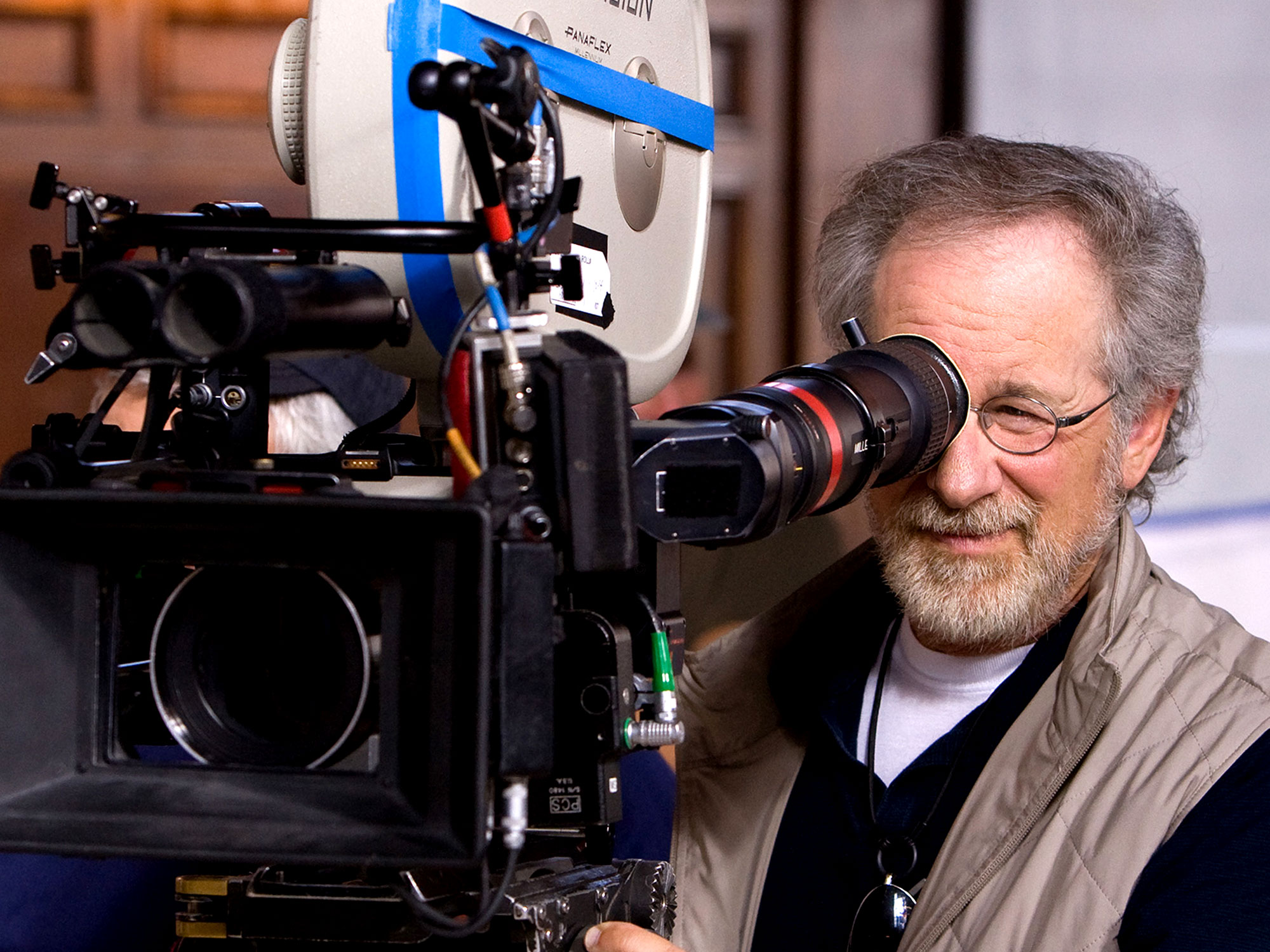
Steven Spielberg sets his boundary on AI in cinema: it can be a tool, but it must not decide dialogue, directing, set design, or have the final creative word.
Films, filmmakers and moving images explored through memory, style, industry and imagination. From classic cinema to contemporary visions, stories and the cultures that shape them.
Steven Spielberg sets his boundary on AI in cinema: it can be a tool, but it must not decide dialogue, directing, set design, or have the final creative word.
Dreams of Violets debuts at the 2026 Tribeca Festival: a live-action film generated with AI, 74-75 minutes long, with a reported budget of $2,000 and plenty of controversy.
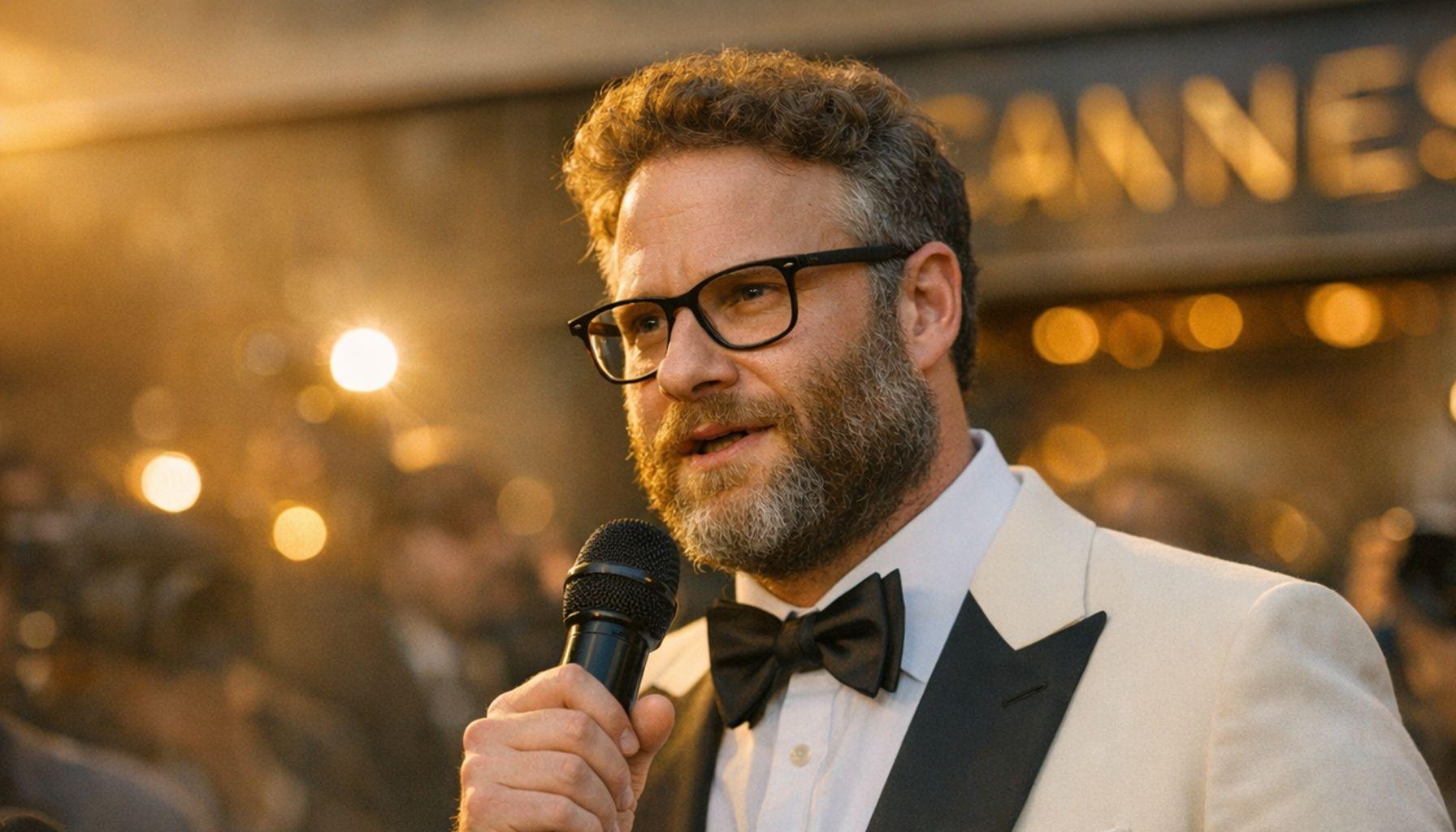
Seth Rogen attacks screenwriters who use AI, while many Hollywood workers are training algorithms just to survive.
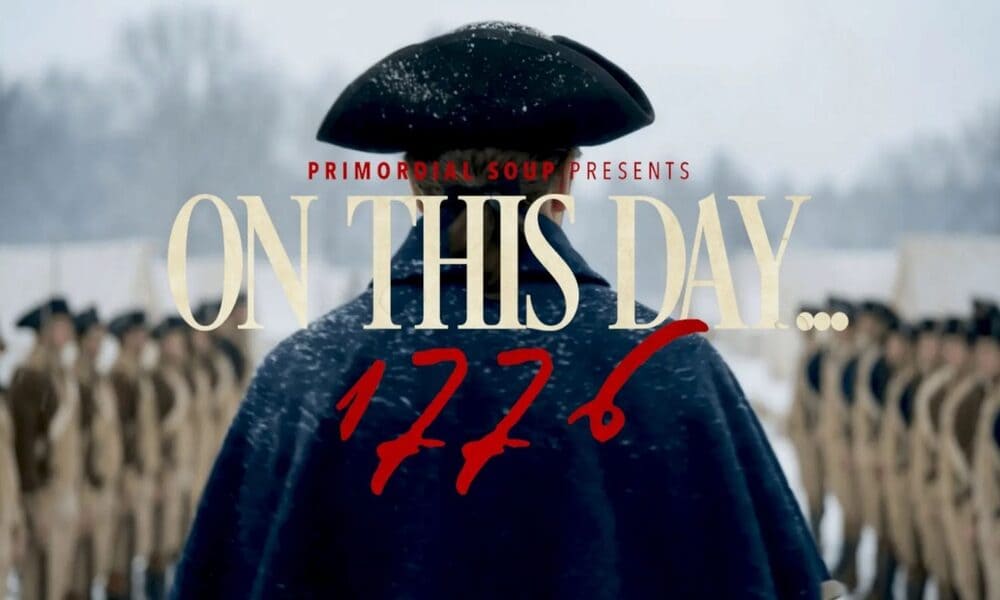
Darren Aronofsky defends the AI project On This Day… 1776 at Cannes, developed with Primordial Soup ahead of the 250th anniversary of the Declaration of Independence.
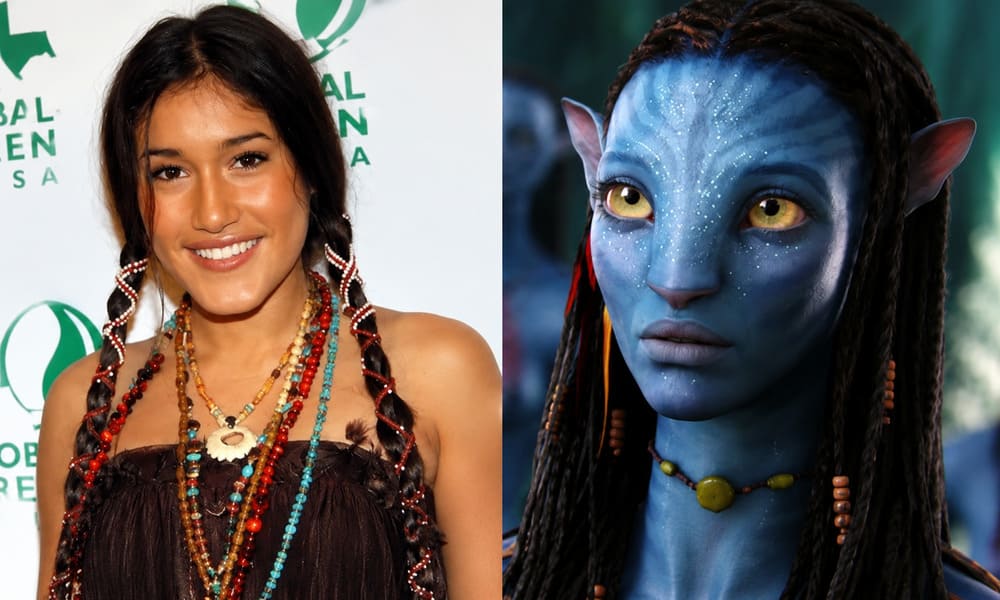
Q’orianka Kilcher accuses James Cameron and Disney of using her face for Neytiri in Avatar: for Hollywood, the Indigenous face has become an asset.
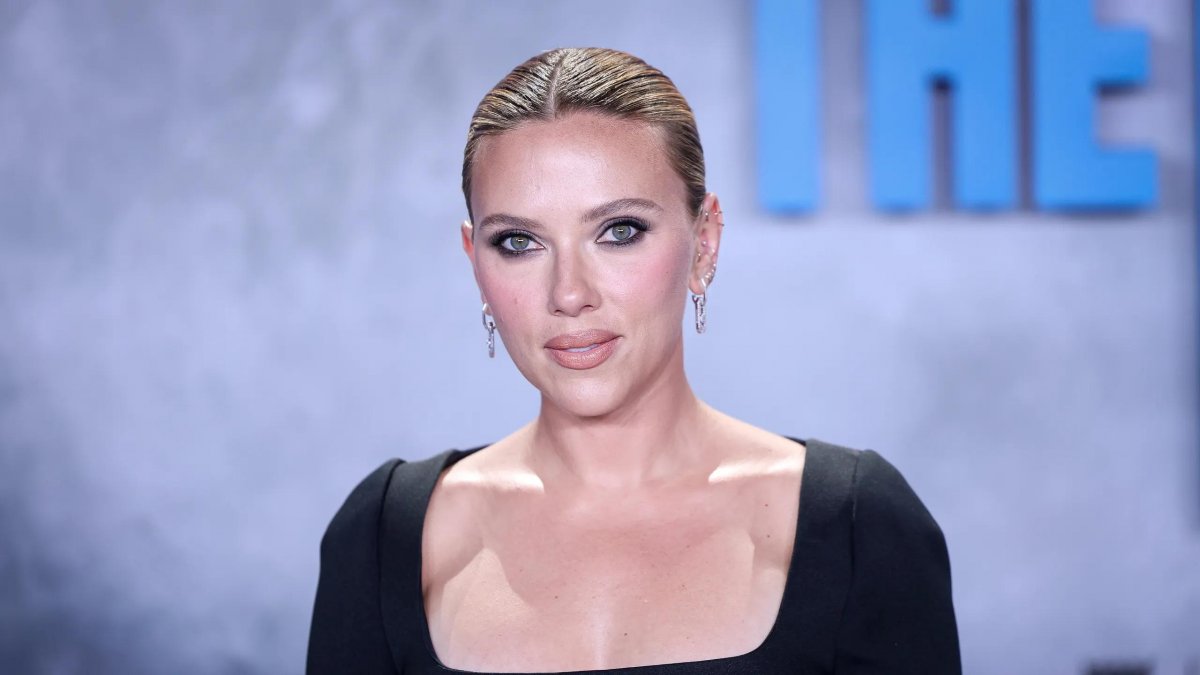
Scarlett Johansson enters Ari Aster’s unstable territory. The project is titled Scapegoat, it will be written and directed by the filmmaker behind Hereditary and Midsommar, and it will arrive under
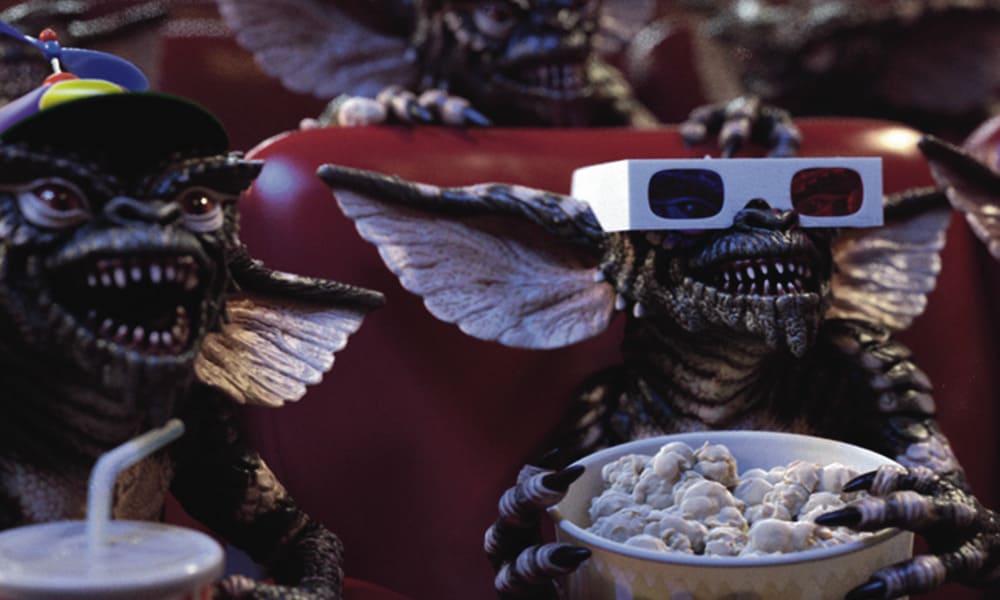
A lost version of Gremlins has been found in Los Angeles: Joe Dante’s rough cut reveals deleted scenes, extra chaos and new monstrosities.
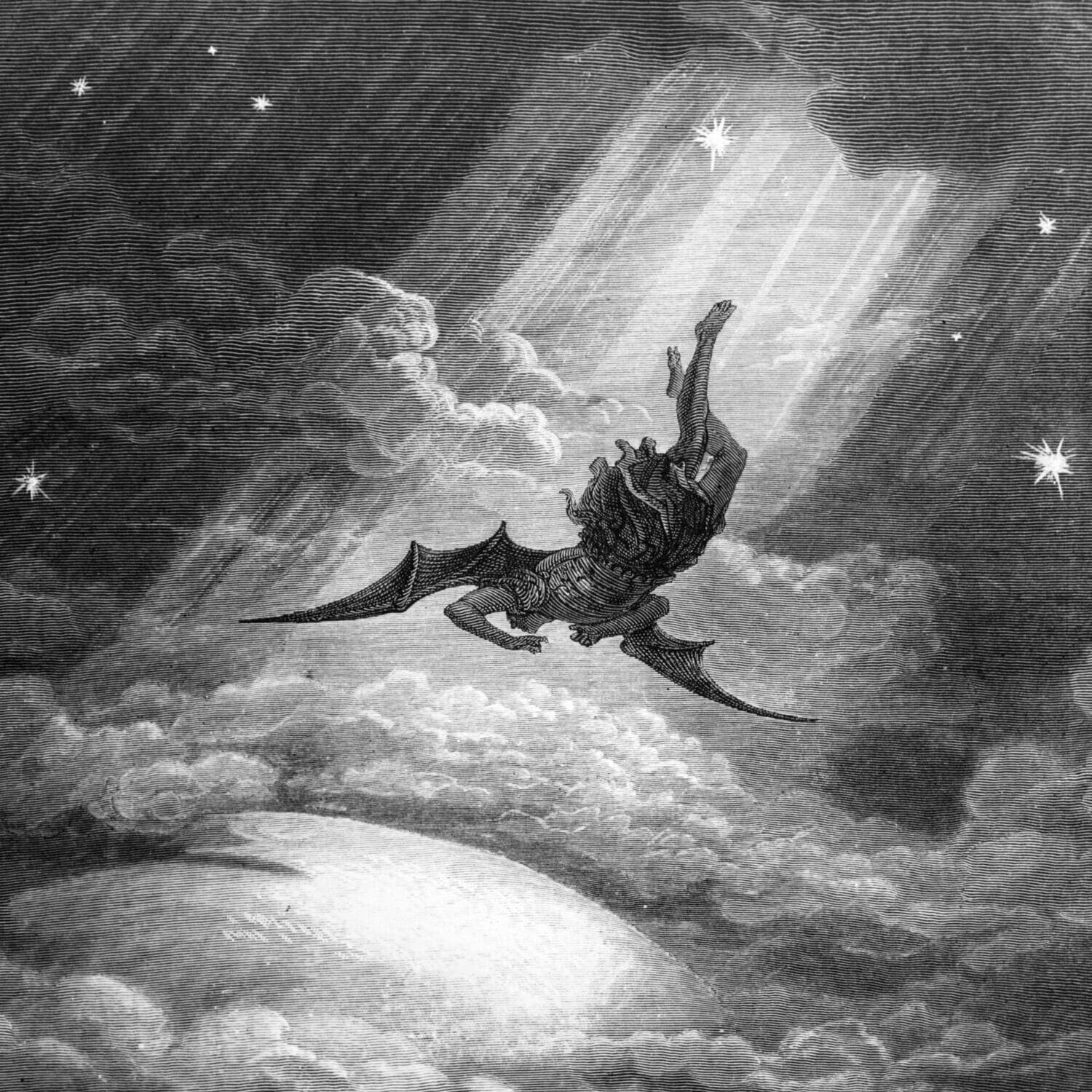
Roger Avary, Oscar winner for the screenplay of Pulp Fiction and director of The Rules of Attraction, has chosen anything but an easy target: Paradise Lost, John Milton’s 1667 poem
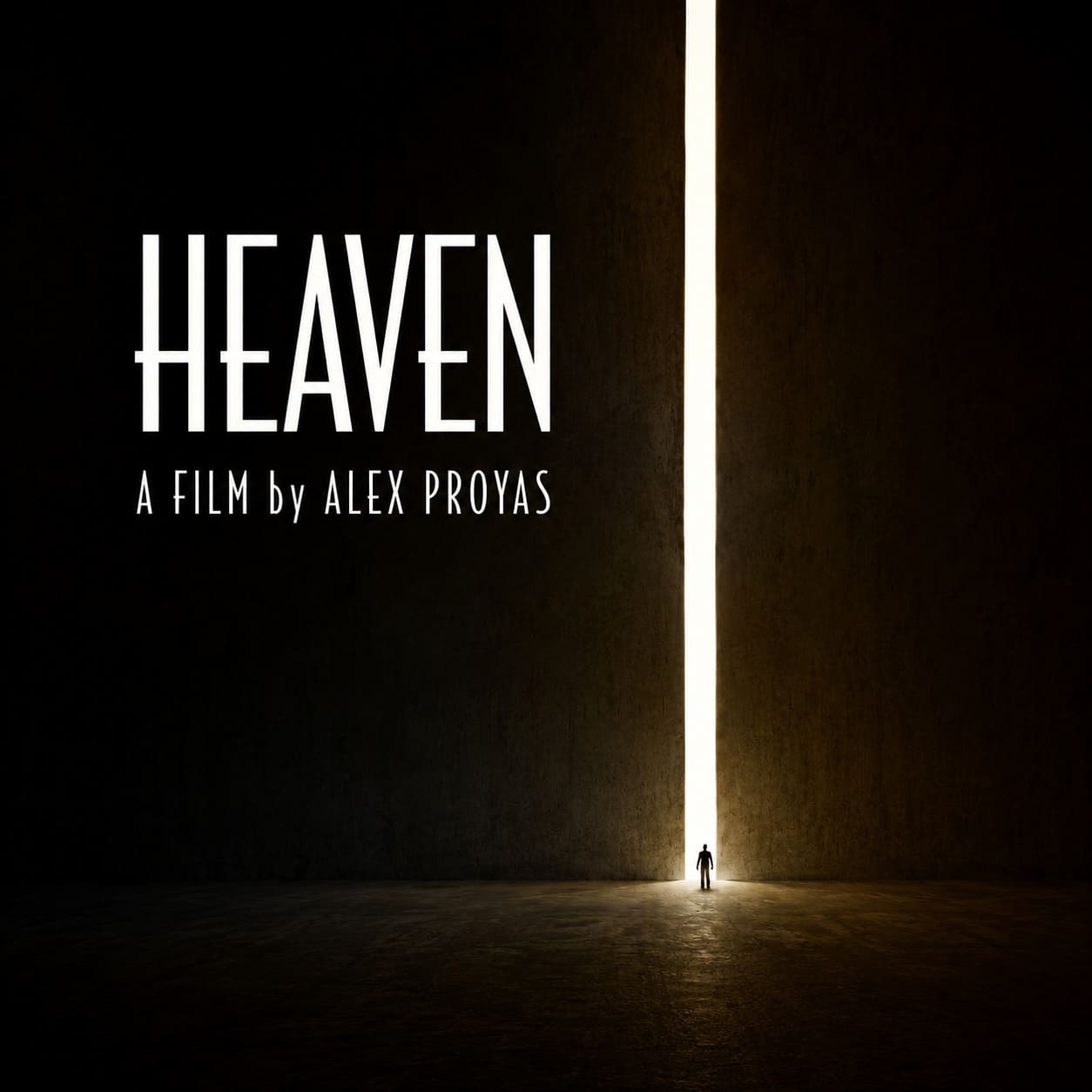
Alex Proyas relaunches Heaven at the Marché du Film with Ex Machina Studios and K5: a sci-fi satire about the digital afterlife, produced with an AI pipeline.
At Canva Create, Jon M. Chu talks about creative struggle, reveals a key detail from “Wicked: For Good,” and revives the “Crazy Rich Asians” musical.