Now Reading: Paradise Lost: Roger Avary Challenges John Milton with AI
-
01
Paradise Lost: Roger Avary Challenges John Milton with AI

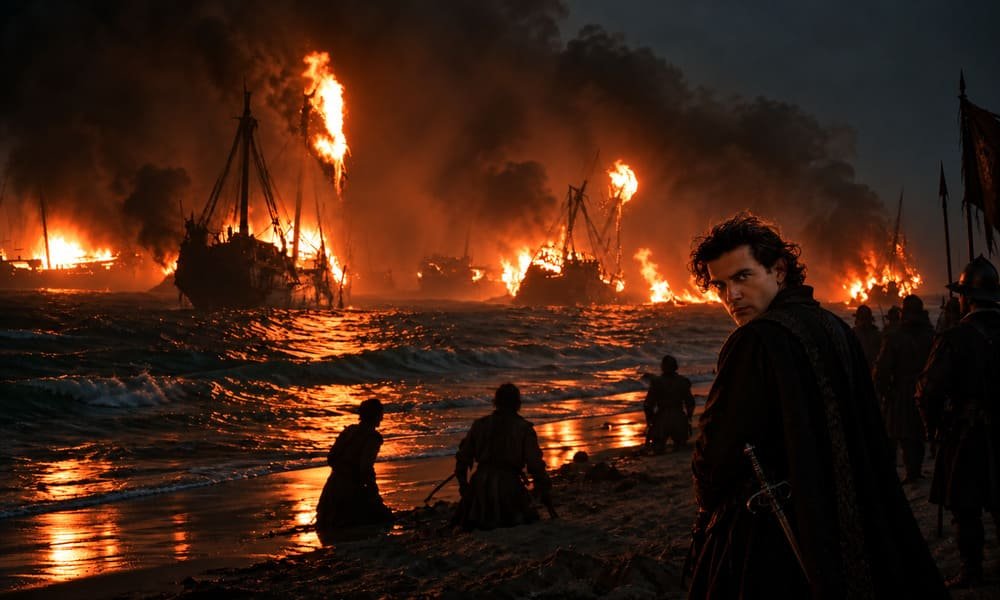
Roger Avary, Oscar winner for the screenplay of Pulp Fiction and director of The Rules of Attraction, has chosen anything but an easy target: Paradise Lost, John Milton’s 1667 poem about the fall of Lucifer, the rebellion in Heaven, Adam, Eve and the loss of Paradise. Material that for decades has terrified producers, directors and visual-effects accountants. Now Avary will write and direct it for Ex Machina Studios, an emerging company focused on production through generative artificial intelligence.
The news comes ahead of the Cannes Marché du Film, where K5 International will launch worldwide sales for the project alongside Heaven by Alex Proyas. The film will be produced by Marco Weber, co-founder and CEO of Ex Machina Studios; Kirk Petruccelli, production designer of Lara Croft: Tomb Raider, will serve as executive producer. Cast and production start dates have not yet been announced.

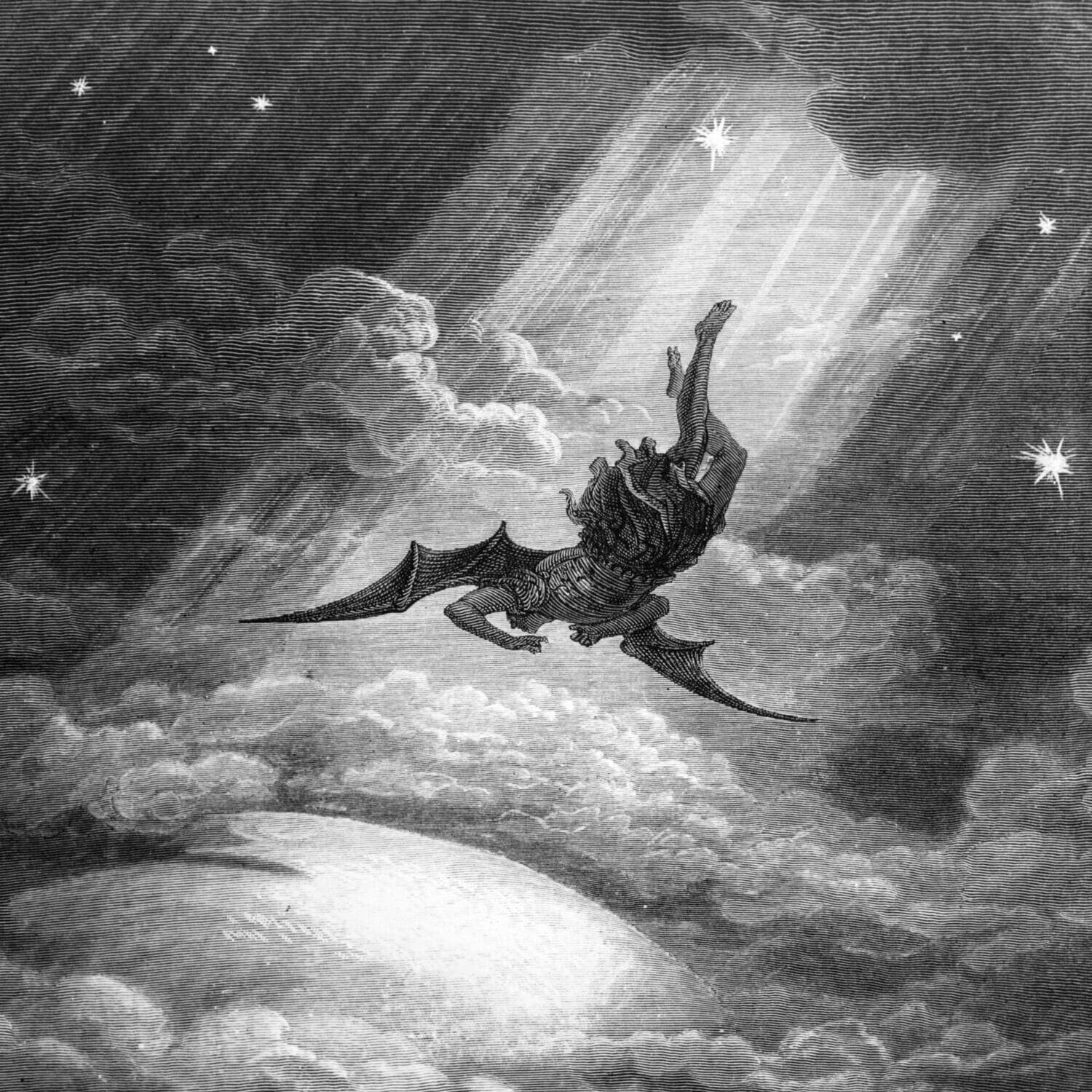
Gustave Doré, The Angel Abdiel Strikes Satan: “This greeting on thy impious crest receive” (illustration for John Milton’s Paradise Lost), 1866.
Paradise Lost, the impossible epic that AI promises to make possible
Paradise Lost is one of those texts cinema has always looked at with both desire and fear. Cosmic war, Hell, Paradise, the creation of the world, Lucifer becoming Satan, Adam and Eve in the Garden of Eden: not exactly a story to shoot in two interiors and a suburban street.
Not surprisingly, a previous high-profile adaptation produced by Warner Bros and directed by Alex Proyas, with Bradley Cooper attached, was cancelled in 2012 partly because of the cost of visual effects. And this is where Ex Machina Studios’ gamble comes in: using a proprietary AI-based pipeline to create expansive worlds with a more sustainable budget, while still relying on real actors, human-written storytelling and practices aligned with Hollywood guilds.
Avary explained the idea by referring to Beowulf, which he co-wrote in 2007 for Robert Zemeckis: “Beowulf was a revisionist retelling made on a massive budget, but with Paradise Lost I am taking a more faithful approach, at a fraction of the cost, using cutting-edge generative artificial intelligence to bring Milton’s vision to life in ways unimaginable only a few years ago.”
Ex Machina Studios and the new generative cinema
Ex Machina Studios, founded in January 2026 by Marco Weber, Martin Weisz and Tom Ryan, presents itself as an “artist-first” company dedicated to the ethical integration of AI into feature filmmaking. Its slate already includes Alex Proyas’ Heaven, Cortés and Space Nation, an eight-episode sci-fi series. The formula is the one Hollywood will increasingly use to make AI acceptable: consent, real actors, human writing, collaboration with SAG-AFTRA, DGA, WGA and other industry organizations.
Roger Avary’s choice is significant nonetheless: a figure from independent and cult cinema is probably the most effective industrial lever for reviving a kind of cinema Hollywood now considers increasingly risky.
With Paradise Lost, the machine will attempt to raise its artificial eye toward one of the highest and most dangerous territories in literature: the one in which John Milton transformed the fall of the angels, the temptation of Adam and Eve and the loss of Eden into a poem about free will, obedience and rebellion.
If AI knows how to serve the vision, it will be “a tool and not an idol”; if instead it believes it can replace it, then it will become a new kind of pride destined to fall into the abyss.

Gustave Doré, Satan Overlooking Paradise (illustration for John Milton’s Paradise Lost), 1867.