Now Reading: Shanghai Embraces AI, iPhone and VR: The Festival Becomes a Tech Set
-
01
Shanghai Embraces AI, iPhone and VR: The Festival Becomes a Tech Set

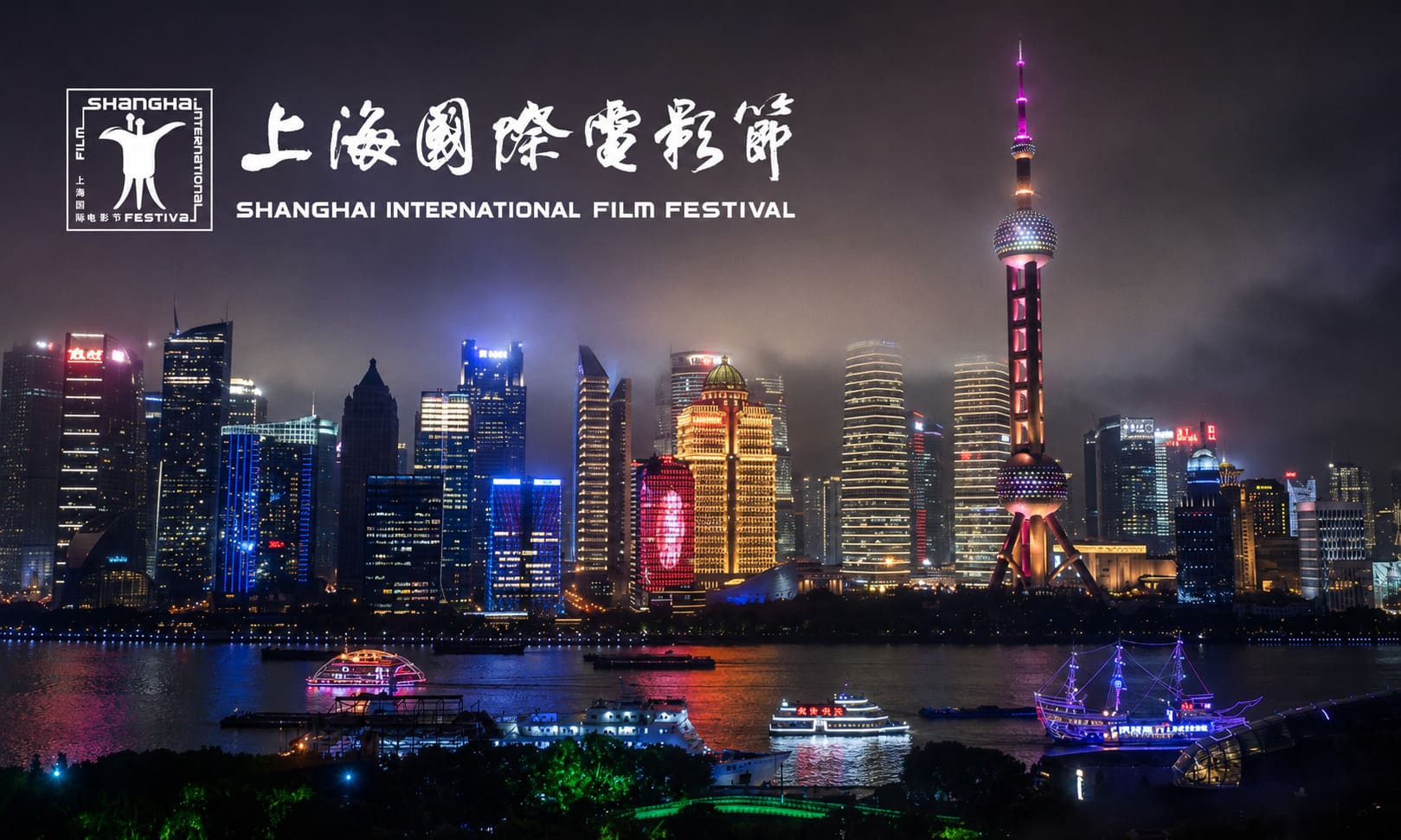
At the Shanghai Film Festival, AI Backlot, iPhone-shot shorts and VR show how China is turning cinema into pure technological production.
The 28th Shanghai International Film Festival, scheduled from June 12 to 21, 2026, brought together cinema, artificial intelligence, smartphones and virtual reality. During the press conference for the Golden Goblet Awards jury, actress Xin Zhilei joked that she had prepared by consulting Doubao, the Chinese AI app, a habit that has now become widespread.
On an industrial level, China values its “core” AI sector at more than 1.2 trillion yuan, around 173.9 billion dollars, with over 6,200 companies active in the field. Cinema, animation, short-form content and micro-dramas are among the areas where the technology is entering fastest, cutting production times, costs and access barriers.
AI Backlot: the process becomes spectacle
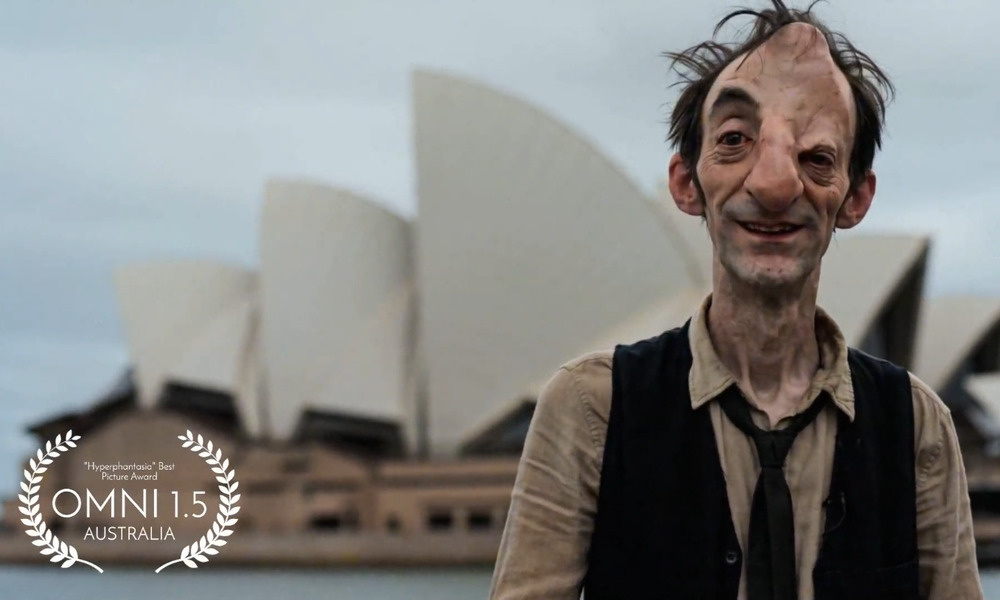
The most explicit new feature at SIFF is AI Backlot, developed with Hailuo AI, the multimodal platform from MiniMax. The program paired traditional filmmakers with AI creators, asking them to produce a short film in one month and document the entire process.
The festival did not hide the work behind the scenes. A large exhibition room at the Shanghai Film Art Center was turned into an open set: filmmakers worked at their consoles while the public watched, as large screens displayed the images being developed. The grammar is closer to gaming, industrial demos and public laboratories than to old festival ritual.
Hou Zuxin, director of The Italian Recipe, was paired with German AI filmmaker Mark Wachholz. Together they made A Message for the Butterfly, a philosophical short about memory. Wachholz described it as a “documentary of ideas,” explaining that AI works well when it has to represent abstract concepts. Hou admitted she started from a double curiosity: creative and economic. For her, the result was the possibility of turning a vision into a complete film, not just a teaser.
The iPhone as a lightweight production machine
SIFF ING moved in the opposite direction: not synthetic generation, but the minimal device. The Mobile Filmmaking Camp selected 10 young talents, giving them an iPhone, funding and mentorship. The mentors were cinematographer Gao Weizhe, known for Black Dog, actor Qu Chuxiao from The Wandering Earth, and director Nick Cheuk, author of Time Still Turns the Pages.
The shorts crossed different genres, from the sci-fi of Till Death by Stray Chen to the romance of Amour by Harry Cai. The mentors also shot their own works: Gao made Boxed Mom, an intimate story about the relationship between an elderly woman and her daughter. His point is that “in an age when AI can generate any image, the phone remains an anchor to reality.”
A recent precedent is Left-Handed Girl by Shih-Ching Tsou, shot with an iPhone in Taipei night markets to work inside crowded spaces without a heavy production apparatus.
VR returns through the industrial door
SIFF Immersive completed the picture. The section presented the VR concert by Jason Zhang, Crafted Crimes, The Umbra Mission and Reality Looks Back. In Crafting Crimes: The Lizzie Borden House, viewers wear headsets and reconstruct a crime scene. Other episodes deal with the Wonderland Murders and the theft of the Mona Lisa.
China is also looking at the numbers: the national VR plan targets 25 million devices and an industrial value above 350 billion yuan, around 48.2 billion dollars, by 2026. Shanghai is not celebrating gadgets, but showing a supply chain: festivals, AI platforms, phones, XR venues, public policies and paying audiences.
Cinema remains at the center only if it accepts being watched while it changes job.