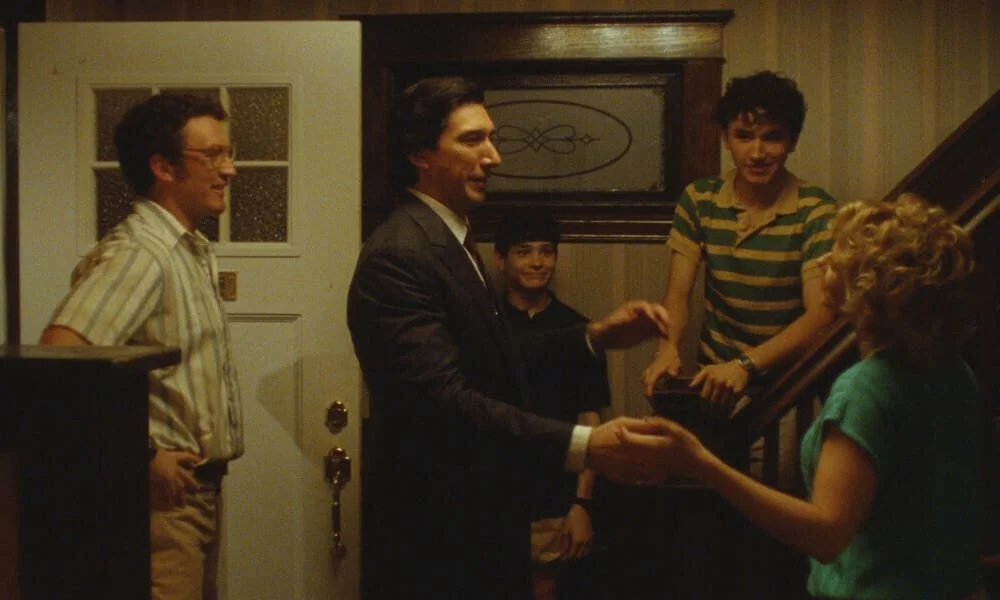
At Zurich, MUBI promised to keep the films it produces away from AI while producers debated lower costs, new capital and shrinking financing options. The human may be on its way to becoming cinema's luxury standard.
At Zurich, MUBI promised to keep the films it produces away from AI while producers debated lower costs, new capital and shrinking financing options. The human may be on its way to becoming cinema's luxury standard.

YouTube is moving from distribution platform to rule-maker: lobbying with streamers, entering TIFF and gaining new influence over how global culture is filtered.
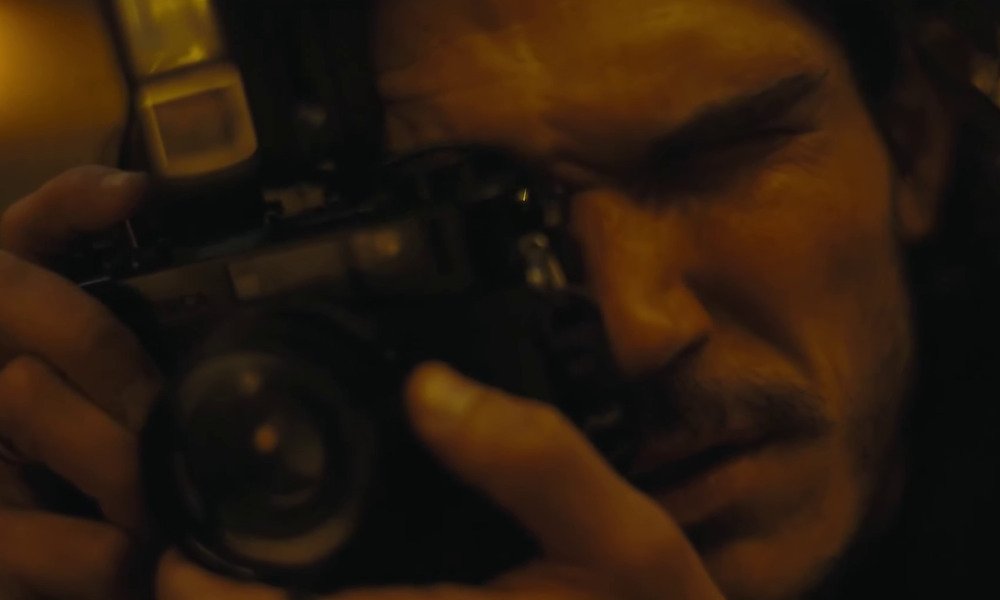
The Last Photograph takes Zack Snyder away from green screens, franchise obligations and megabudgets, revealing how smaller production can restore directorial freedom.

Gaza is extensively filmed but has little control over how its images are preserved, verified and distributed. The Gaza Cinema Academy targets that missing infrastructure.
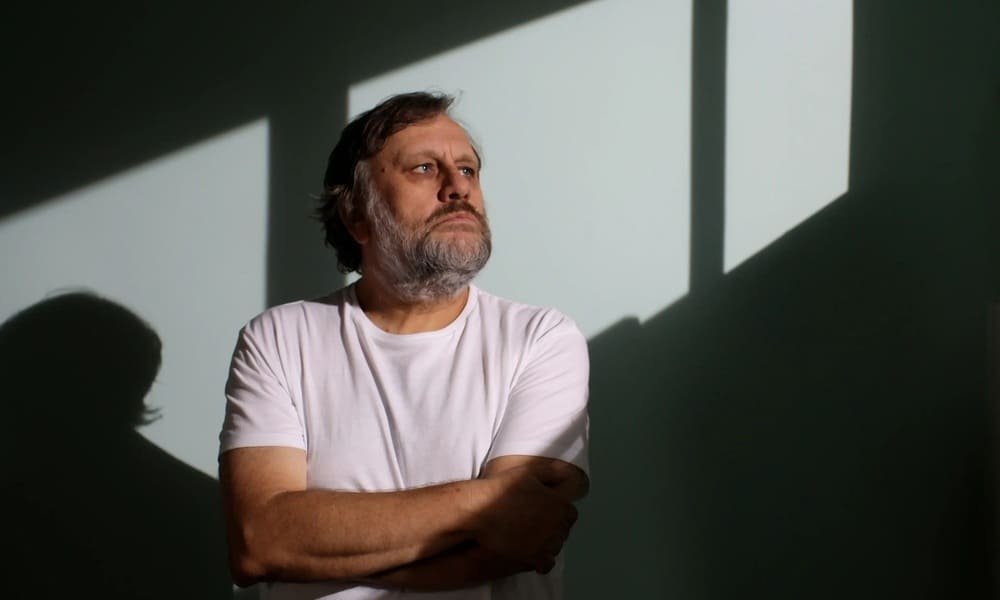
The Pervert’s Guide to Utopias returns Slavoj Žižek to Sophie Fiennes’s cinema to ask why revolution is so easily absorbed as style, product and content.
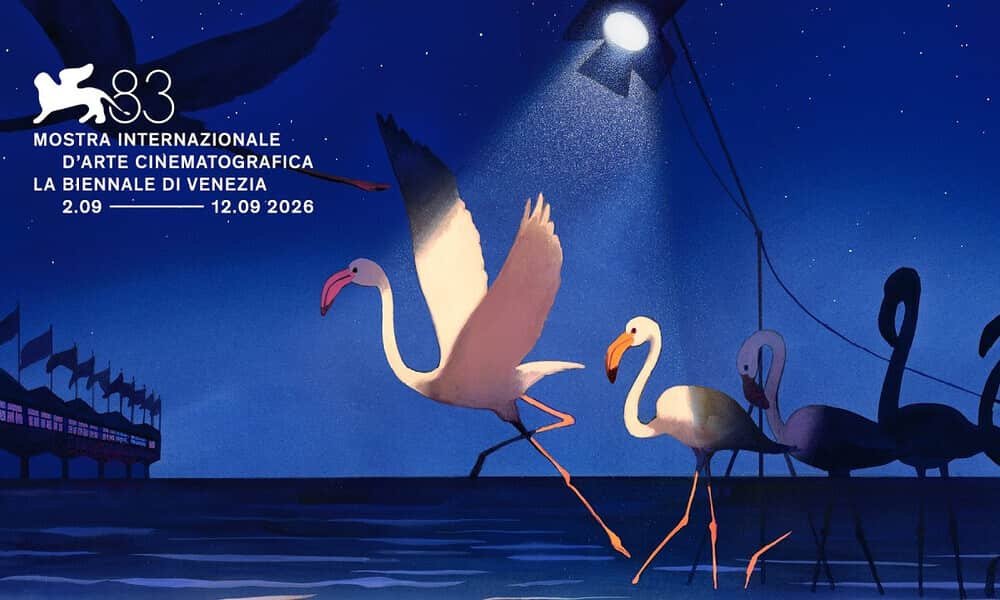
At Venice 83, artificial intelligence changes name depending on the room: artistic language in films, democratization at festivals, efficiency in production and a threat to trust.

The EU revoked €2 million from the Venice Biennale over Russia’s return, while Ukrainian filmmaker Sergei Loznitsa argues that Europe’s continuing Russian gas imports reveal a larger contradiction.
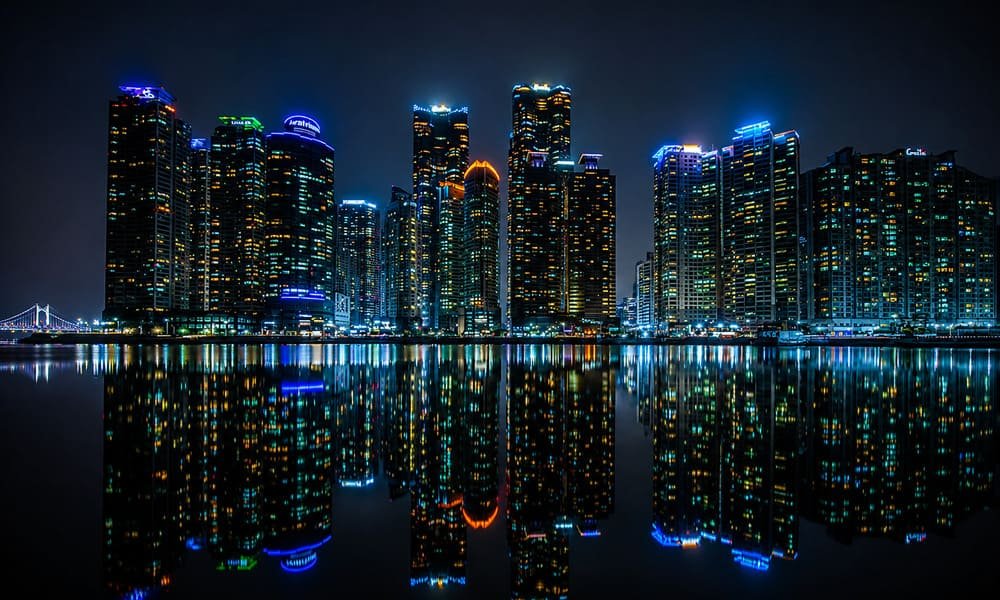
At Busan’s Asian Contents & Film Market, AI, cloud infrastructure, VFX, microdrama and audience biometrics are being organized into one production-and-distribution chain.
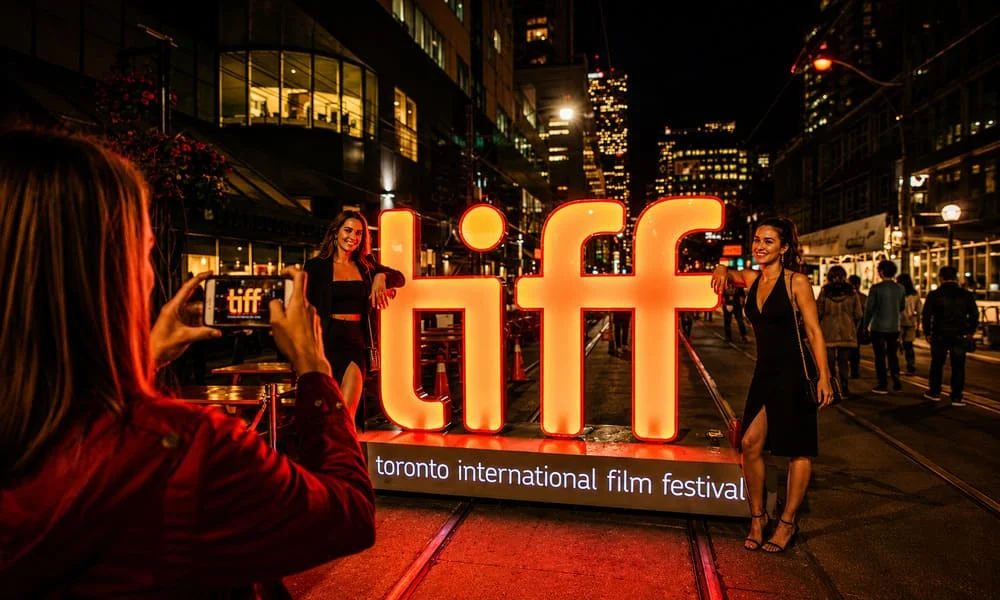
YouTube and Variety are bringing Mark Vins and Ziwe to the Toronto International Film Festival’s new professional market, where the creator economy is beginning to speak the language of the industry openly.
The trailer for Paper Tiger brings Adam Driver, Miles Teller and Scarlett Johansson to 1986 New York, caught between the Russian mob, family and ambition.