Now Reading: The Last Photograph: Zack Snyder Finds Freedom by Making a Smaller Film
-
01
The Last Photograph: Zack Snyder Finds Freedom by Making a Smaller Film

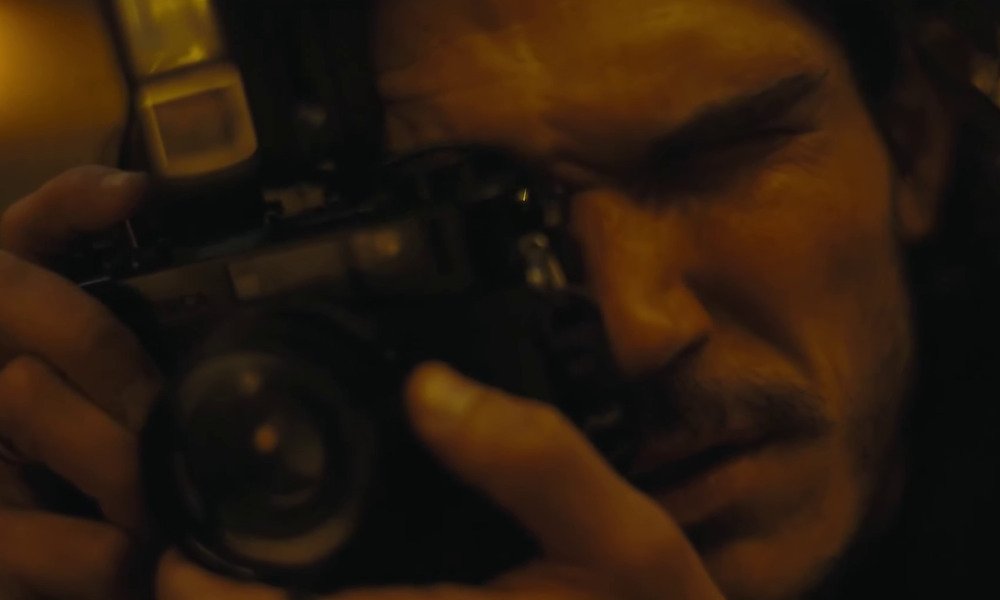
The Last Photograph takes Zack Snyder away from green screens, franchise obligations and megabudgets, revealing how smaller production can restore directorial freedom.
With The Last Photograph, Zack Snyder abandons studios, green screens and mandatory sequels: more than an escape from Hollywood, it is a brief license for authorship.
The man behind 300, Watchmen, Man of Steel, Batman v Superman and Netflix’s Rebel Moon blockbusters shot The Last Photograph without a studio or platform behind him, with a reduced crew, no green screen, no video village and even without much of the slow motion that over the years had become almost his notarized signature.
The Last Photograph is a project Snyder had been pursuing for almost twenty years and that, in the past, had also passed through Warner Bros. Then came Superman, Batman, the Justice League, Netflix, armies of digital effects and universes that, by definition, cannot afford to end.
The film remained there until Snyder found a window and private money to make it through an independent structure: shot between Colombia, Iceland and the United States, it is being presented today, September 13, in its world premiere at the Toronto International Film Festival, still looking for distribution.
The Last Photograph, the film that remained outside the Hollywood machine
When Snyder began developing it, The Last Photograph was a very different project: a war and espionage thriller built around Christian Bale and Sean Penn. After the death of his daughter Autumn in 2017 and his traumatic departure from the DC universe, Snyder returned to the material from another perspective: a meditation on death and redemption, as well as on the different ways in which people can look at the same reality.
Snyder eventually managed to buy the rights back from Warner and built the film outside the system that for years had financed, controlled and enlarged him. Around him he brought back Deborah Snyder, Wesley Coller and Gianni Nunnari, the Italian producer with whom he had already made 300, while for the two leading roles he chose Stuart Martin and Fra Fee, both coming from Rebel Moon.
The story follows a heroin-addicted war photographer, the only surviving witness to a massacre, and the brother of a murdered diplomat: together they move farther and farther from the city in search of two kidnapped children, on a journey Snyder describes almost as a search for the Grail, in which the South American territory progressively becomes less an action setting and more a mental space.
The Last Photograph: does more budget mean less freedom?
Snyder returned behind the camera as director of photography and, in Colombia, found himself working with a reduced crew, without trailers, chairs or the classic “village” of monitors in which a contemporary production often ends up watching itself while it shoots.
Production lasted 32 days, about half as long as the shortest shoot Snyder had previously faced, with an average of 40 setups a day. Almost the entire film was shot handheld, without cranes and with only a few dolly shots: a production speed that, paradoxically, Snyder had no longer been able to afford precisely when he had vastly larger budgets at his disposal.
Snyder and Deborah describe The Last Photograph as an almost cathartic experience, finally free from the obligation to sell a sequel, a toy or the next film.
It is a pity that the circle closes with a less mystical detail: Snyder does not seem remotely interested in escaping Hollywood. On the contrary, he has already begun working on the Escape from New York remake, fully embracing the challenge of the remake. After twenty years spent handling billion-dollar intellectual properties, however, that feels less like a challenge than his comfort zone.