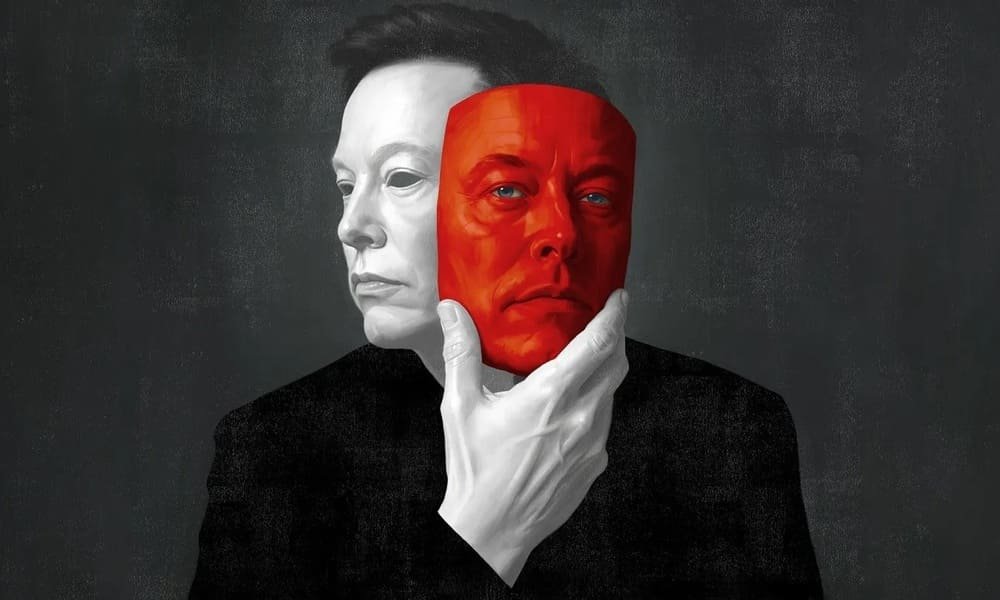
Alex Gibney’s four-hour Musk documentary links DOGE’s access to federal data with a warning: AI could turn administrative information into a system for political influence.
Critical essays that look beyond the surface of films, music, art and media, reading contemporary works through imagination, memory, technology, industry and cultural power.
Alex Gibney’s four-hour Musk documentary links DOGE’s access to federal data with a warning: AI could turn administrative information into a system for political influence.
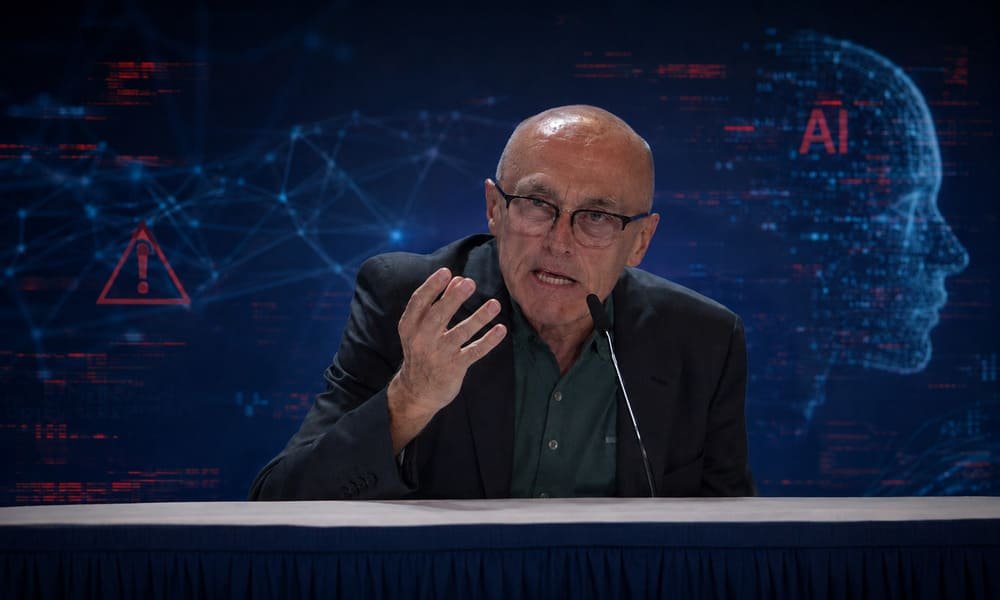
Danny Boyle’s warning about AI journalism is not mainly about job losses. It is about whether a machine can challenge the people who own its model, infrastructure and distribution.
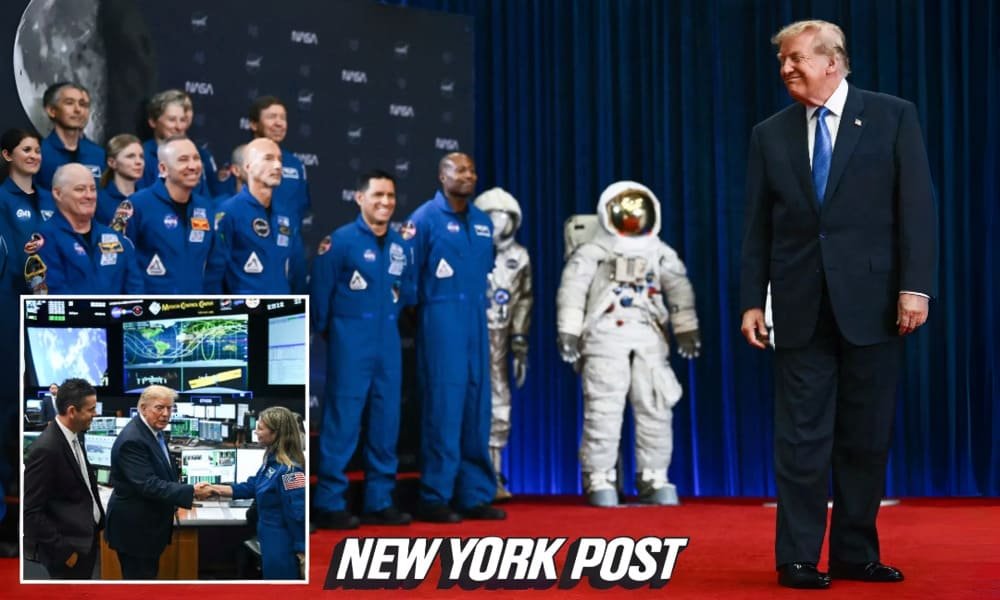
A first-look deal with Crazy Legs Productions turns the New York Post archive into a development library for film, television and streaming.
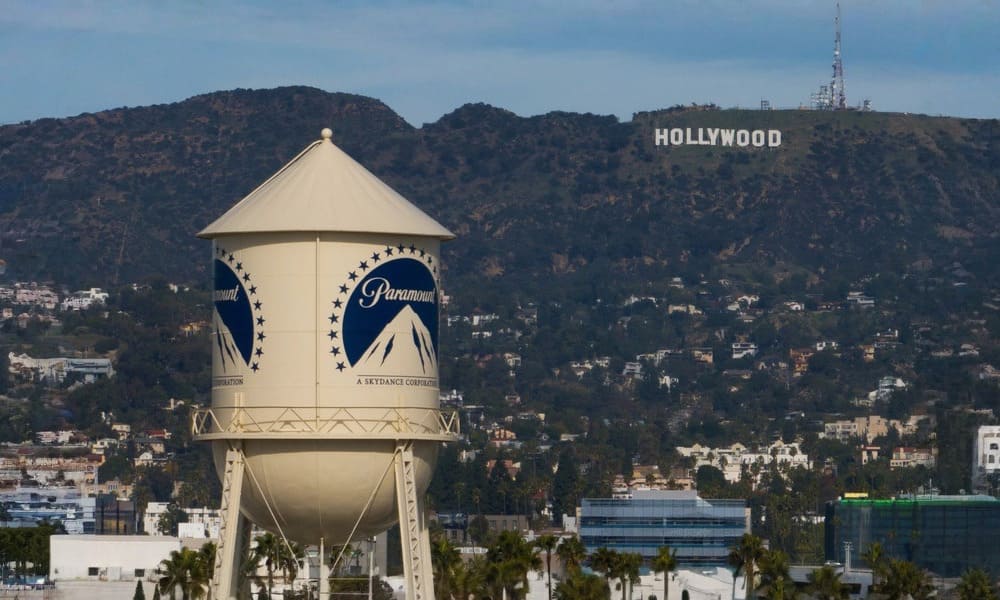
The Paramount-Warner merger would bring the CNN and CBS archives under a single owner. For documentary filmmakers, the issue is not only preserving them, but being able to use them.
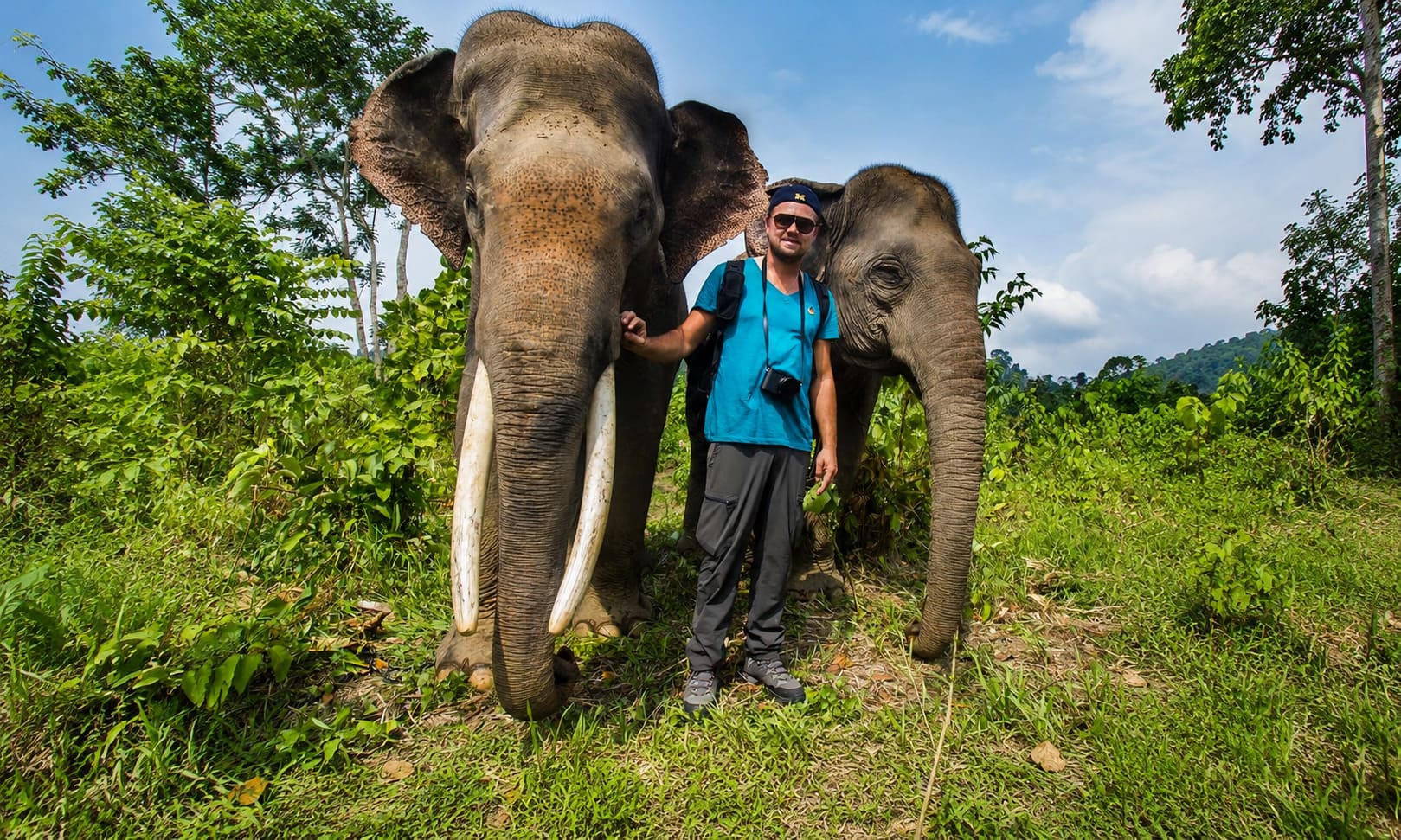
Leonardo DiCaprio and Jeff Bezos launch the Phoenix Species Project: $200 million to save 100 endangered species across 30 countries.
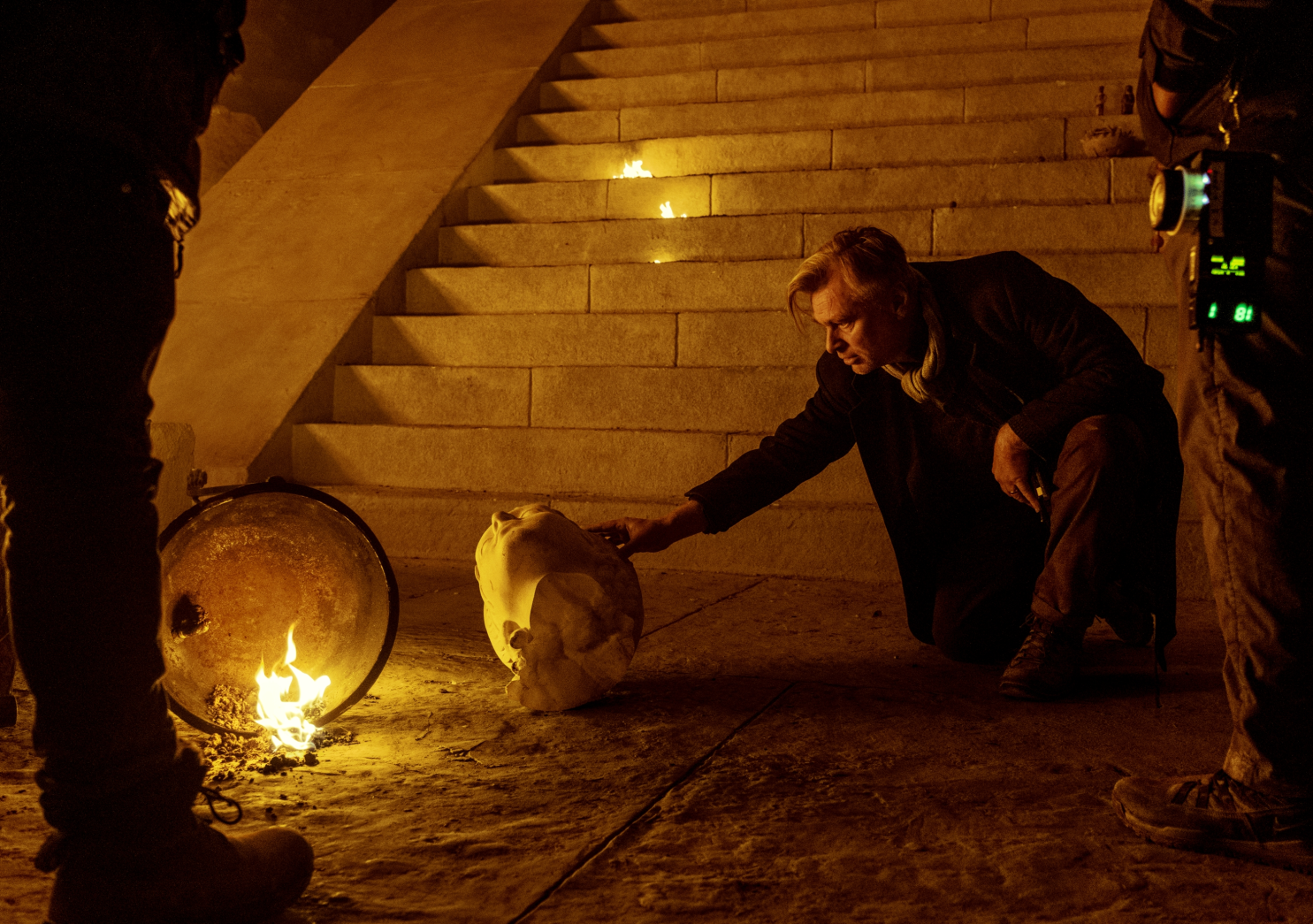
Christopher Nolan explains the connection between The Odyssey and Oppenheimer: broken xenia, irreversible guilt and the limits of repentance.
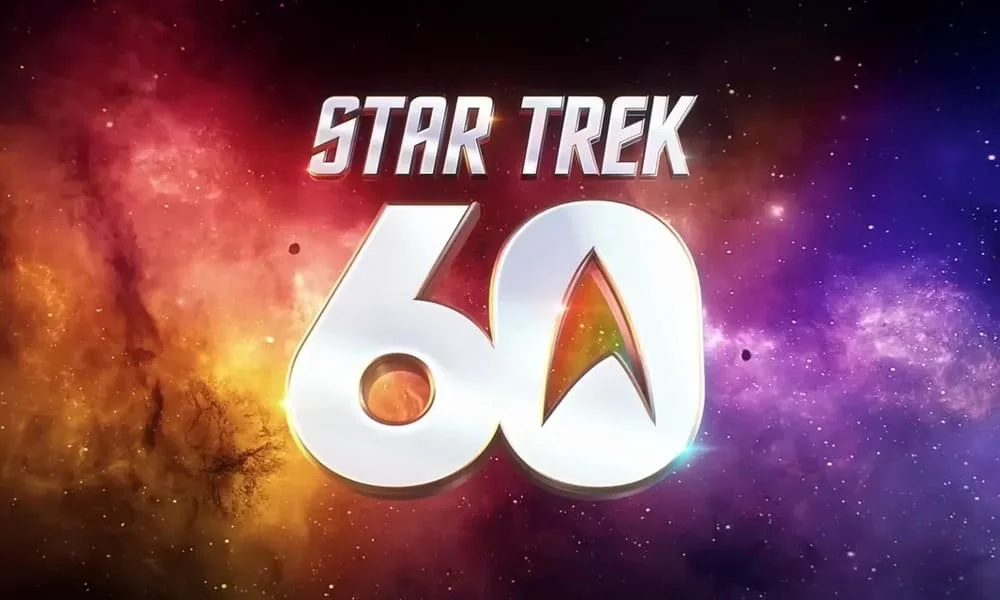
Unveiled at Comic-Con, Star Trek’s 60th-anniversary video spans series and films, bringing the humanist future imagined by Roddenberry back to the center.
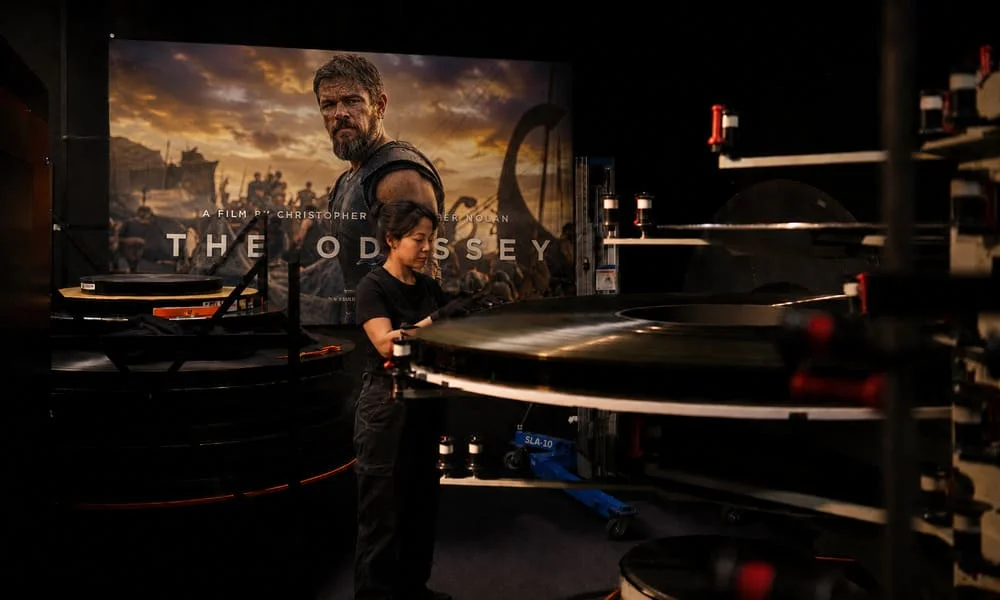
More than 22,000 moviegoers have traveled to Prague to see The Odyssey in IMAX 70mm, turning a film screening into a pilgrimage.

IndieWire talks about security and nostalgia. But mergers, streaming and AI reveal a much larger problem: audiences are losing their cultural rights.
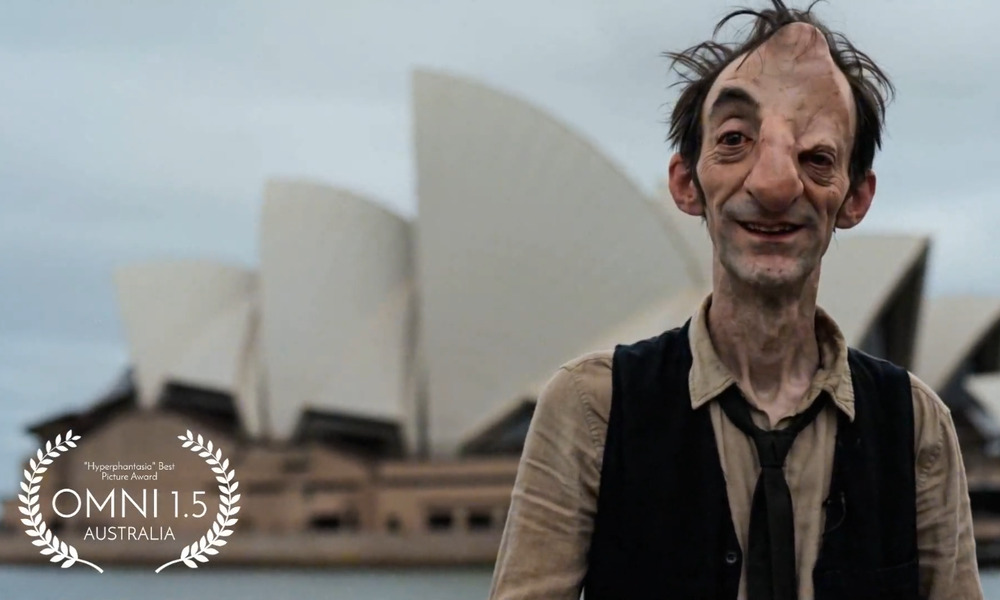
OMNI Hyperphantasia awards Robert Gaudette among 3,800 AI films: with Alex Proyas on the jury, generative cinema is now a crowded ecosystem in search of selection.