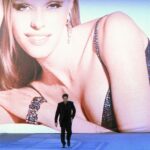

Greta Garbo has been reconstructed with AI for an advertising campaign. Digital likeness vaults suggest a future where stardom can work in many places at once.
Greta Garbo has been reconstructed with AI for an advertising campaign. Digital likeness vaults suggest a future where stardom can work in many places at once.
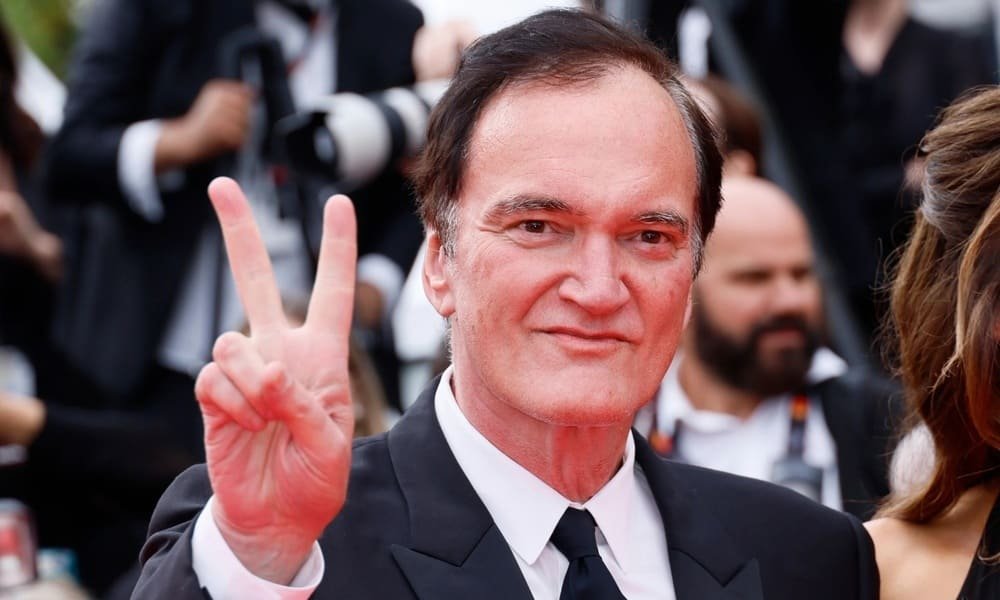
With a Cliff Booth novel and a David Fincher film from his screenplay, Quentin Tarantino is separating authorship from the obligation to direct every version himself.
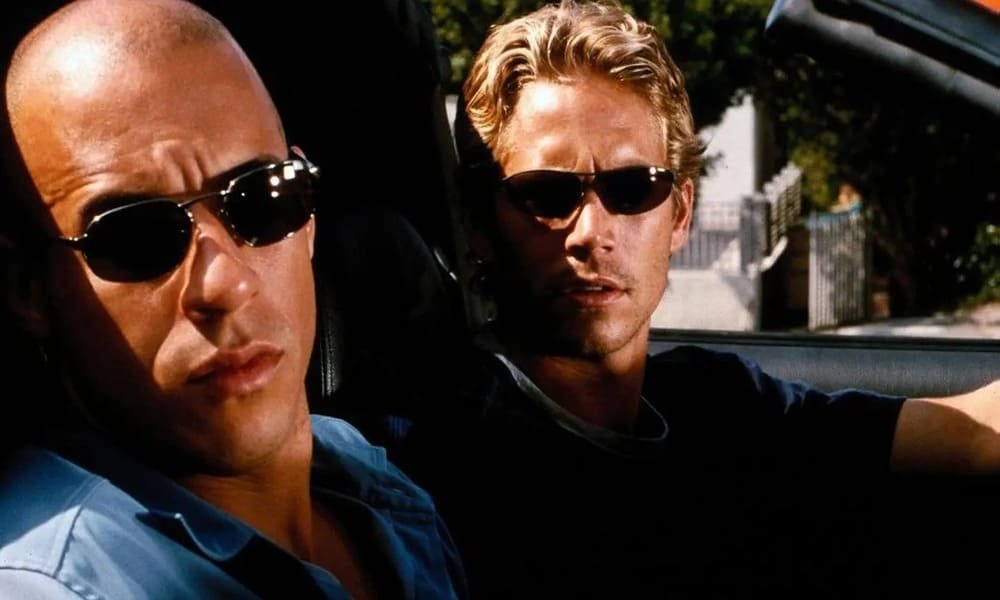
AI could make another Paul Walker appearance technically possible in Fast Forever. The harder question is who has the right to authorize a new performance.
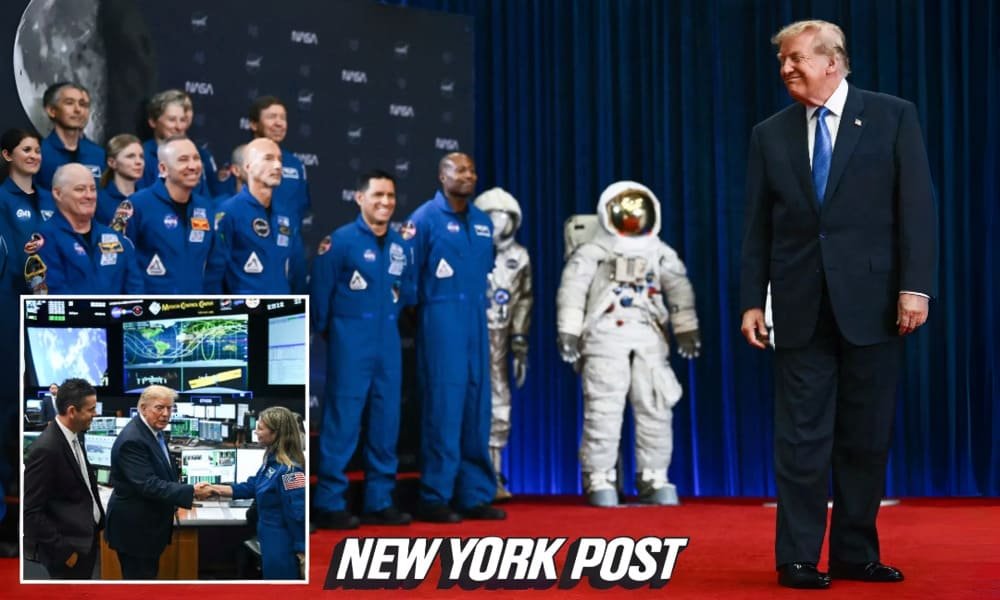
A first-look deal with Crazy Legs Productions turns the New York Post archive into a development library for film, television and streaming.
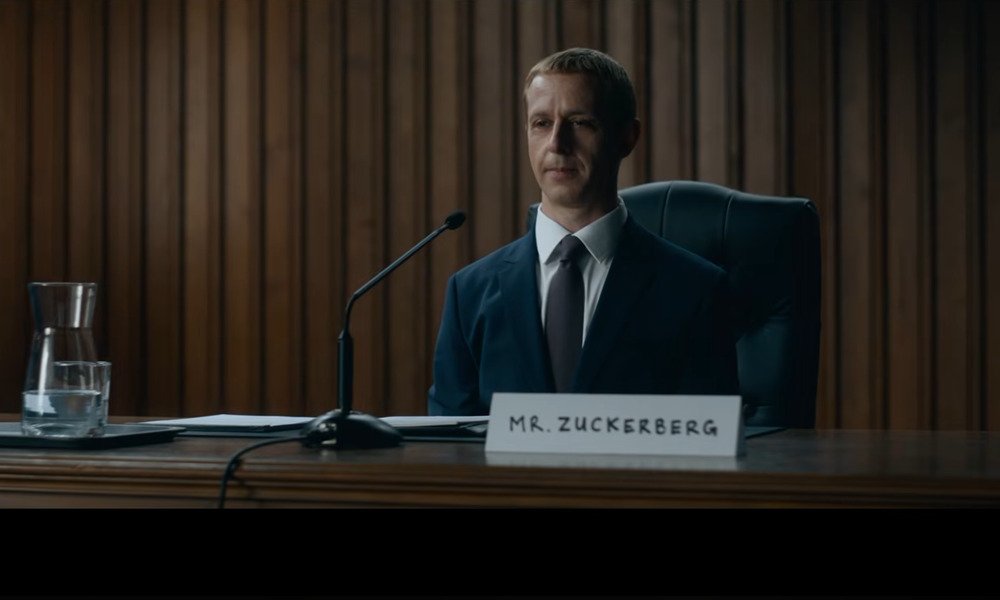
Aaron Sorkin returns to Facebook sixteen years after The Social Network, shifting the drama from the platform’s creation to what the company knew about its effects.
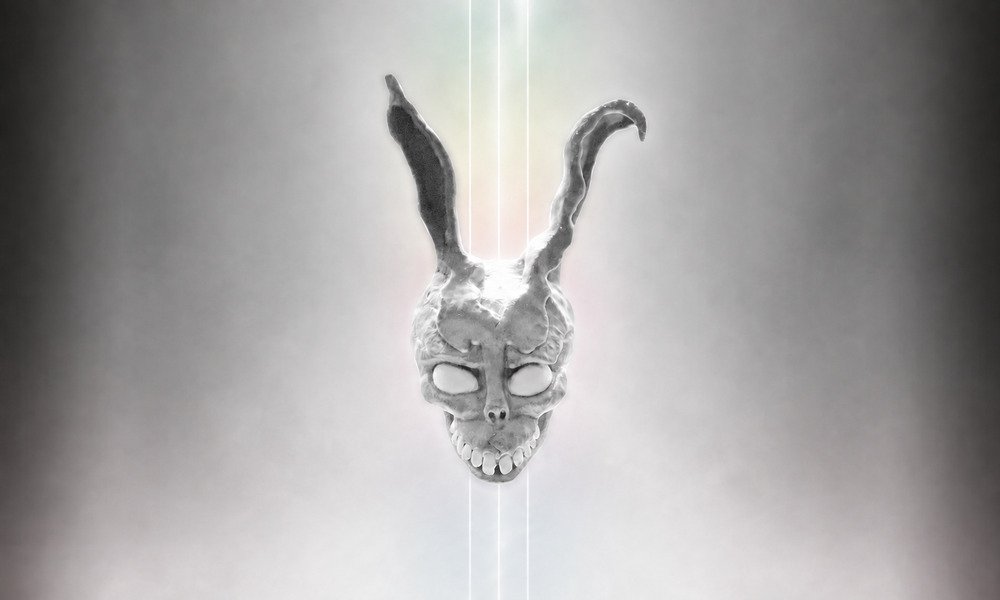
Richard Kelly is continuing Donnie Darko with The Philosophy of Time Travel, an 800-page novel designed to stand alone and potentially open the way to multiple films.
Xbox is preparing more than a dozen films and series: from Sea of Thieves to Gears of War, Microsoft is bringing worlds already inhabited by audiences to the screen.
Festivals, tools and independent creators are building their own supply chain around AI cinema, while the old industry protects control, rents and slow decision-making.
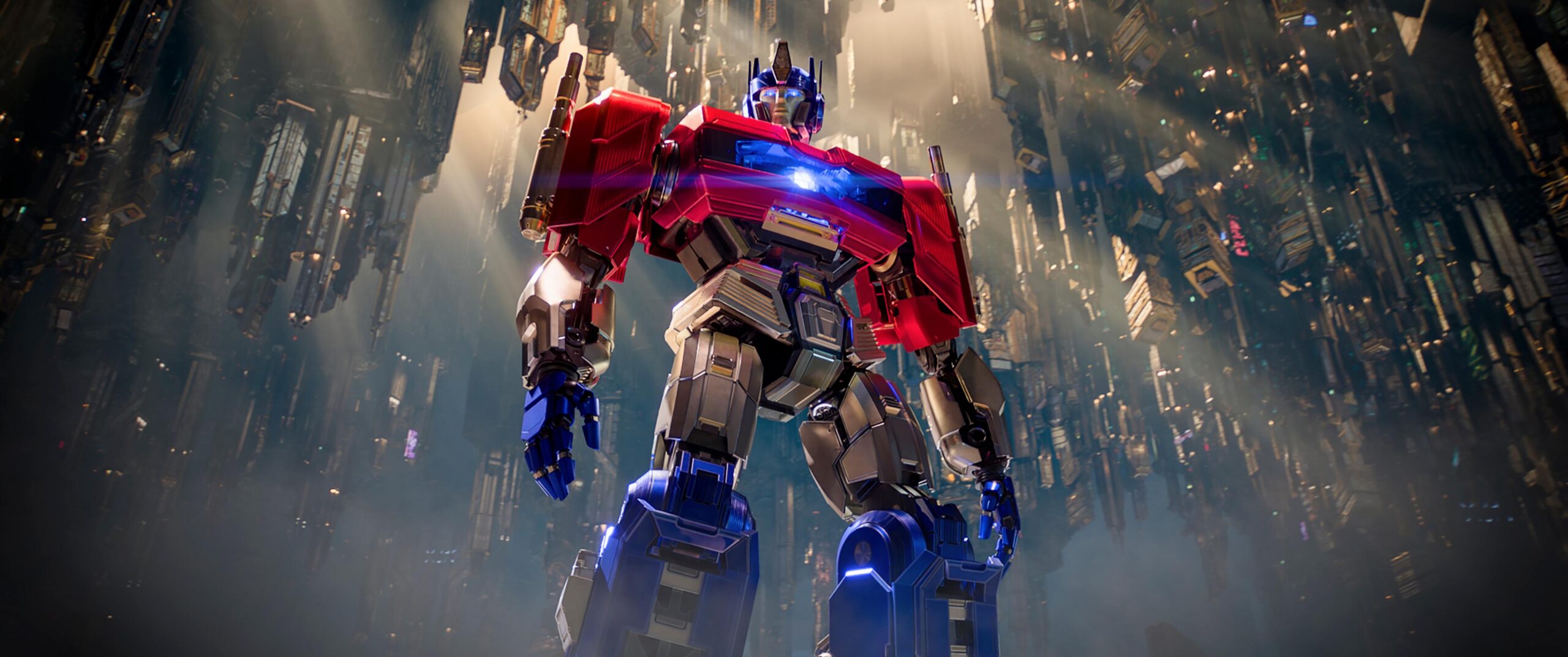
Hasbro launches Sixth Wall, an AI studio designed to license characters such as Optimus Prime and Mr. Potato Head: the future of entertainment is becoming interactive.
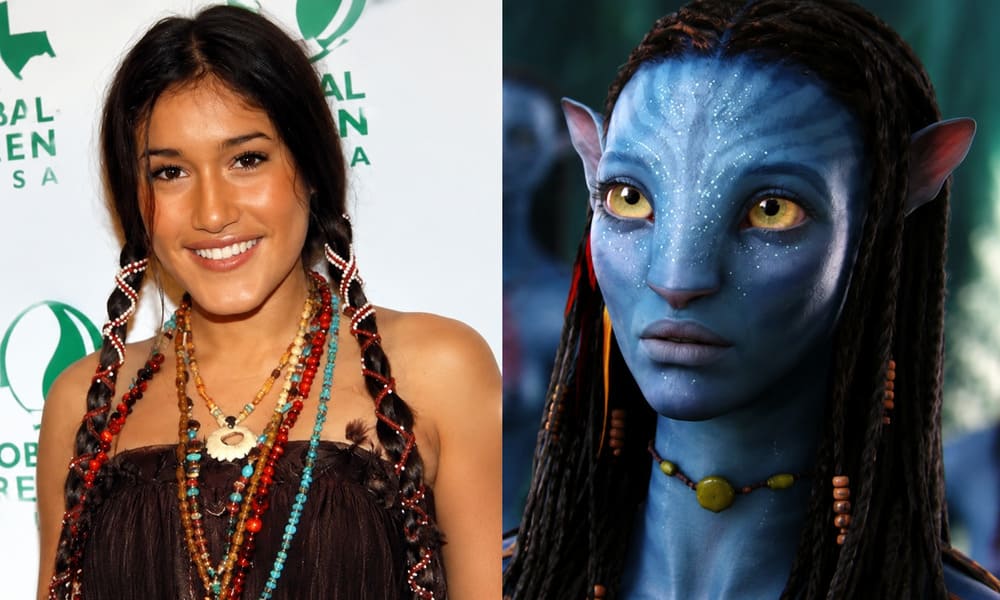
Q’orianka Kilcher accuses James Cameron and Disney of using her face for Neytiri in Avatar: for Hollywood, the Indigenous face has become an asset.