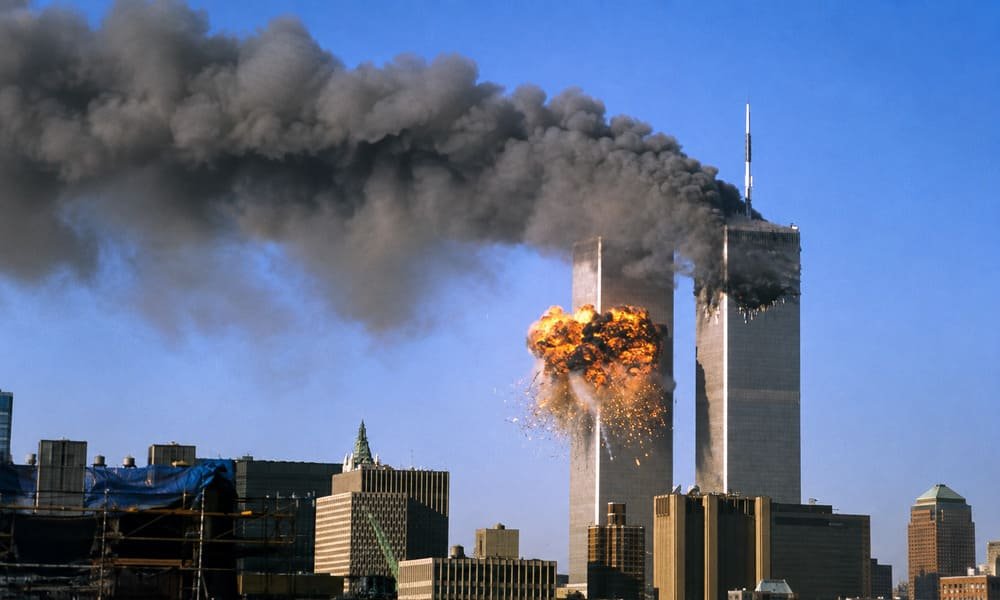
Twenty-five years after 9/11, cinema is looking beyond the towers toward war, surveillance, memory and the fragmented media system that followed.
Twenty-five years after 9/11, cinema is looking beyond the towers toward war, surveillance, memory and the fragmented media system that followed.
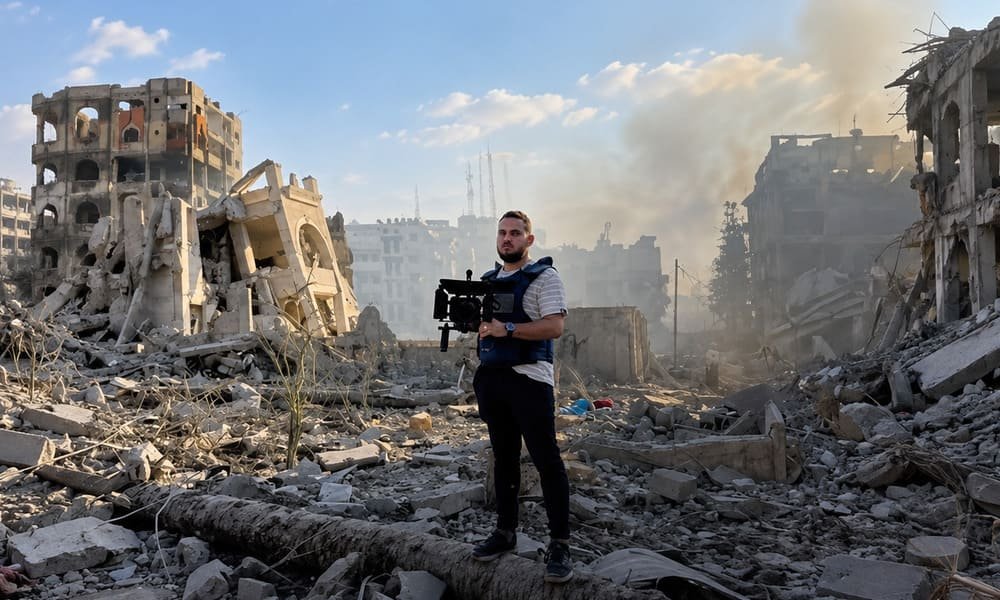
Gaza is extensively filmed but has little control over how its images are preserved, verified and distributed. The Gaza Cinema Academy targets that missing infrastructure.
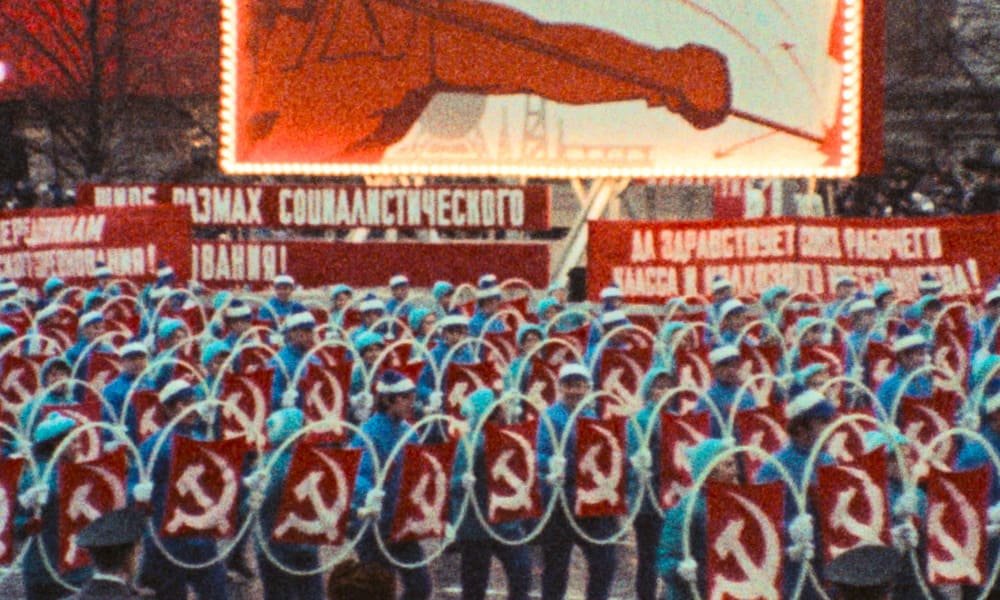
The EU revoked €2 million from the Venice Biennale over Russia’s return, while Ukrainian filmmaker Sergei Loznitsa argues that Europe’s continuing Russian gas imports reveal a larger contradiction.
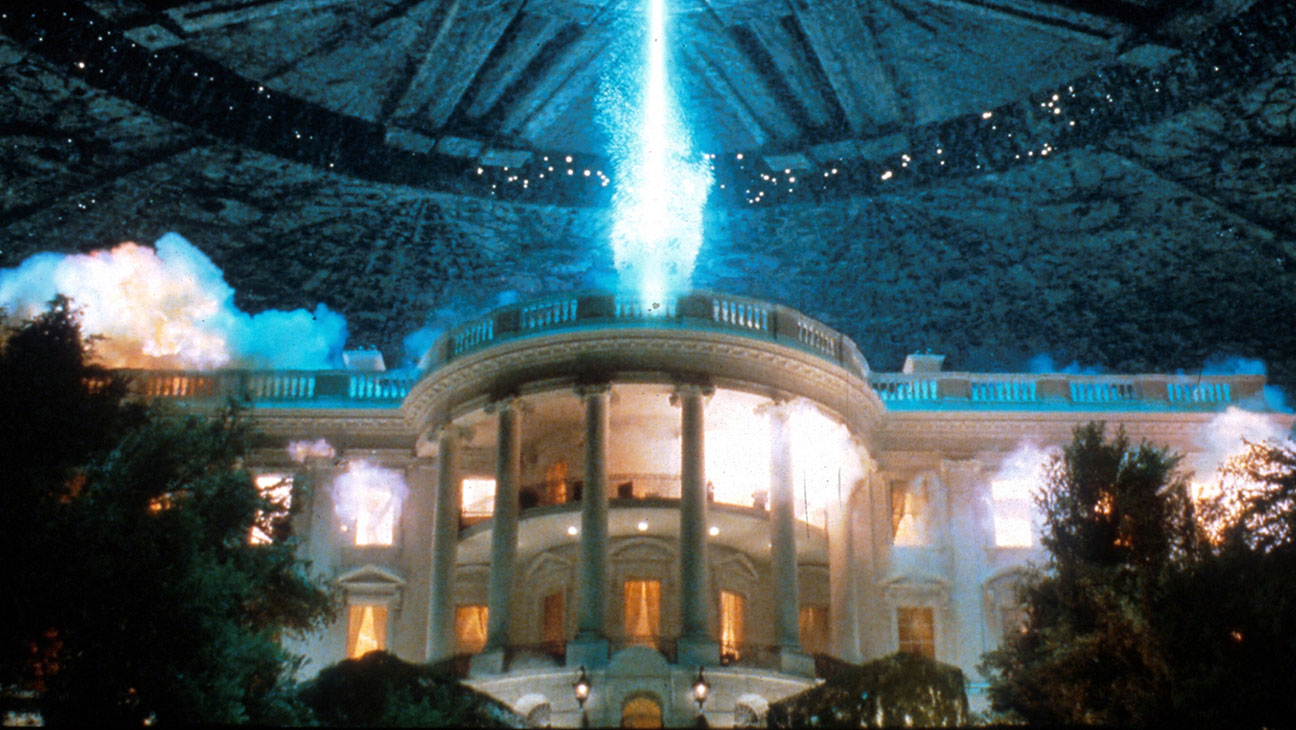
Released in 1996, Independence Day is the film that turned alien invasion into a military parade, a civil mass, and a pyrotechnic spectacle of American hegemony
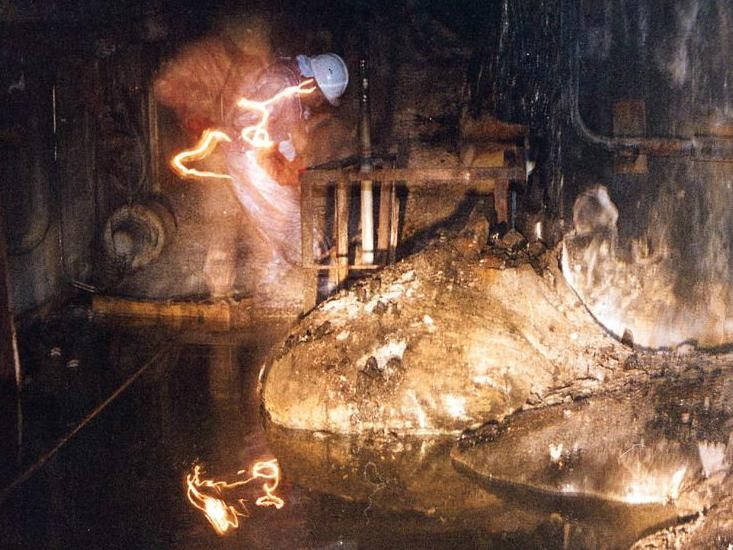
Chernobyl turns 40: technical data, Soviet lies, health effects, environmental contamination, and new risks from the war in Ukraine.
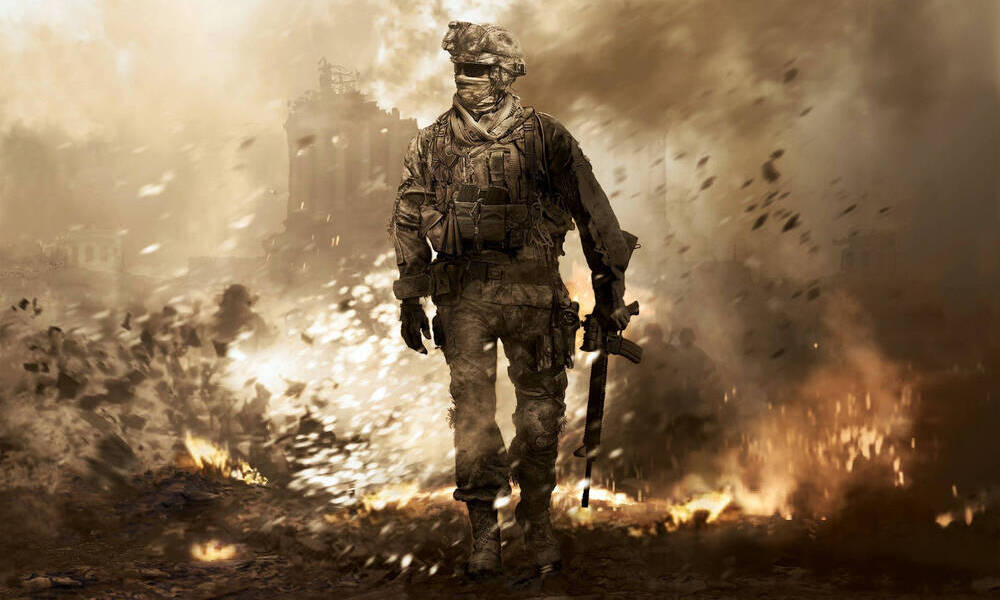
Paramount is bringing Call of Duty to theaters on June 30, 2028, with Pete Berg directing and Taylor Sheridan writing. The goal: war, scale, and authenticity.

Nuremberg (2025), directed by James Vanderbilt, is not a historical film in the usual sense of the term: it is, rather, a thought experiment applied to cinema, intended to demonstrate that horror does not need madness to exist, only sufficiently organised thought.