Now Reading: J.J. Abrams vs. Nollywood: Supporting Indie Science Fiction
-
01
J.J. Abrams vs. Nollywood: Supporting Indie Science Fiction

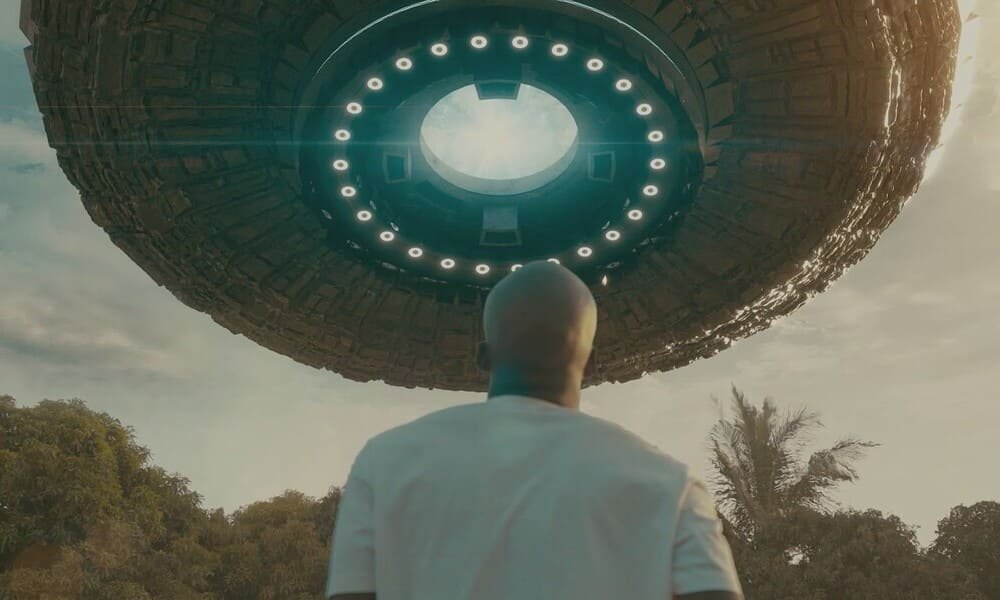
Pietra Brettkelly presents Crocodile at the Berlinale 2026: independent Nigerian creativity told through a documentary that explores cinema beyond Nollywood.
Pietra Brettkelly presents Crocodile at the Berlinale 2026: independent Nigerian creativity told through a documentary that explores cinema beyond Nollywood.
The documentary Crocodile, presented out of competition in the Forum section of the 2026 Berlin Film Festival, is a layered account of the power of imagination, perseverance and the contradictions of cultural identity in a globalised world.
Filmed over 13 years and directed by Pietra Brettkelly, an award-winning New Zealand filmmaker and member of the Academy of Motion Picture Arts and Sciences, the film follows the Nigerian collective The Critics from childhood in the working-class neighbourhoods of Kaduna to their arrival on the international arts scene.
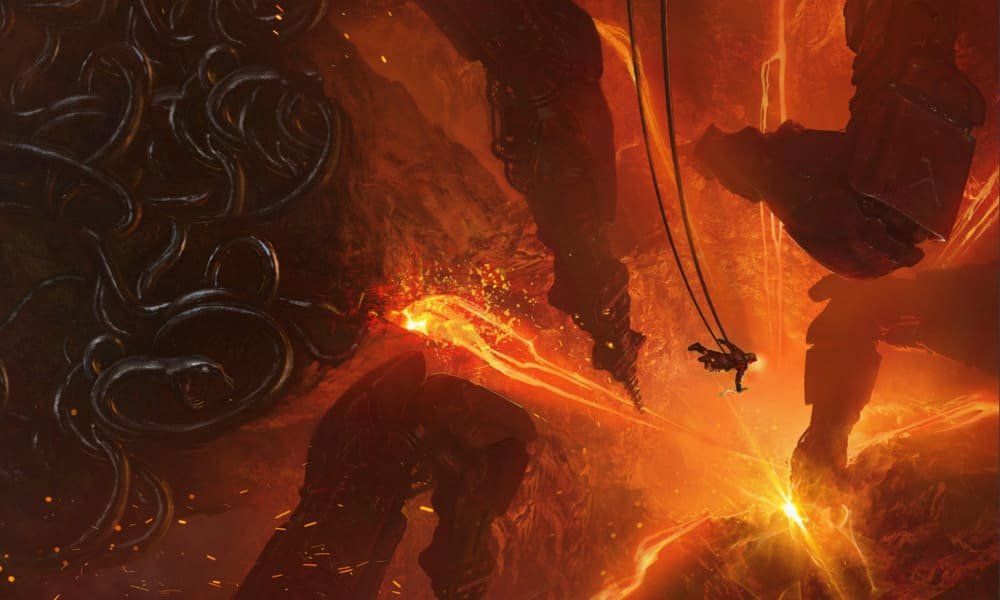
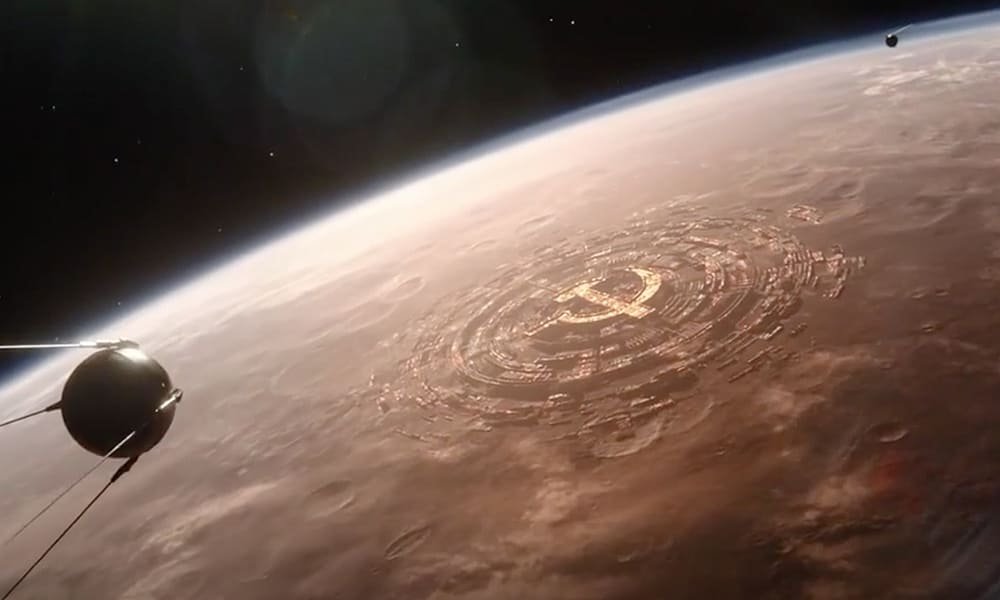
Known for her observational, non-judgemental approach, Brettkelly gives her subjects room to breathe, following their evolution from early short films shot on mobile phones to more structured works filled with imagination, handmade special effects and references to Hollywood science fiction.
The Critics, Nollywood and cinema on the margins of the industry
The collective consists mainly of brothers and cousins, Raymond J. Yusuff, Richard Yusuff, Ronald Yusuff, Godwin Josiah and Victor Josiah, who grew up far from the production centres of the dominant Nollywood circuit, the world’s third-largest film industry by revenue after Hollywood and Bollywood.
While Nollywood has historically been associated with melodramas, popular comedies and stories firmly rooted in everyday Nigerian life, The Critics choose science fiction, identifying a gap in the genre landscape and reworking global imagery within a local reality marked by poverty, constant blackouts and a lack of resources.
In Crocodile, everyday difficulties emerge clearly: improvised equipment, power cuts and family pressure to pursue “safe” professions such as law or medicine.
“A life in the arts is alien to our people,” The Critics observe.
J.J. Abrams’ support and the shadow of cultural colonisation
The collective’s growth also takes place through social media, and international attention reaches a turning point when filmmaker J.J. Abrams notices their work and sends them professional equipment. It is a genuine act of support, but one loaded with implications. Without ever spelling it out completely, Crocodile suggests a dynamic familiar to the Global South: local talent seems to gain full legitimacy only when recognised by an American gaze.
Within the documentary, scenes from The Critics’ films show how their real lives feed fantastic stories deeply rooted in the Nigerian context. Even when they reference Star Wars or The Joker, everything passes through a distinctively individual cultural prism that transforms everyday life into a dreamscape.
Amid the cacophony of debates about how far AI-generated cinema can truly be considered creative, a lesson emerges with absolute clarity: maintaining a cultural identity does not mean rejecting global influence or the inevitable evolution of technology, but engaging with it critically, negotiating power, collective imagery and belonging, without losing one’s own voice.