Now Reading: Peter Weir Honored in Sydney: The Directorial Eye of the Storm
-
01
Peter Weir Honored in Sydney: The Directorial Eye of the Storm
Peter Weir Honored in Sydney: The Directorial Eye of the Storm

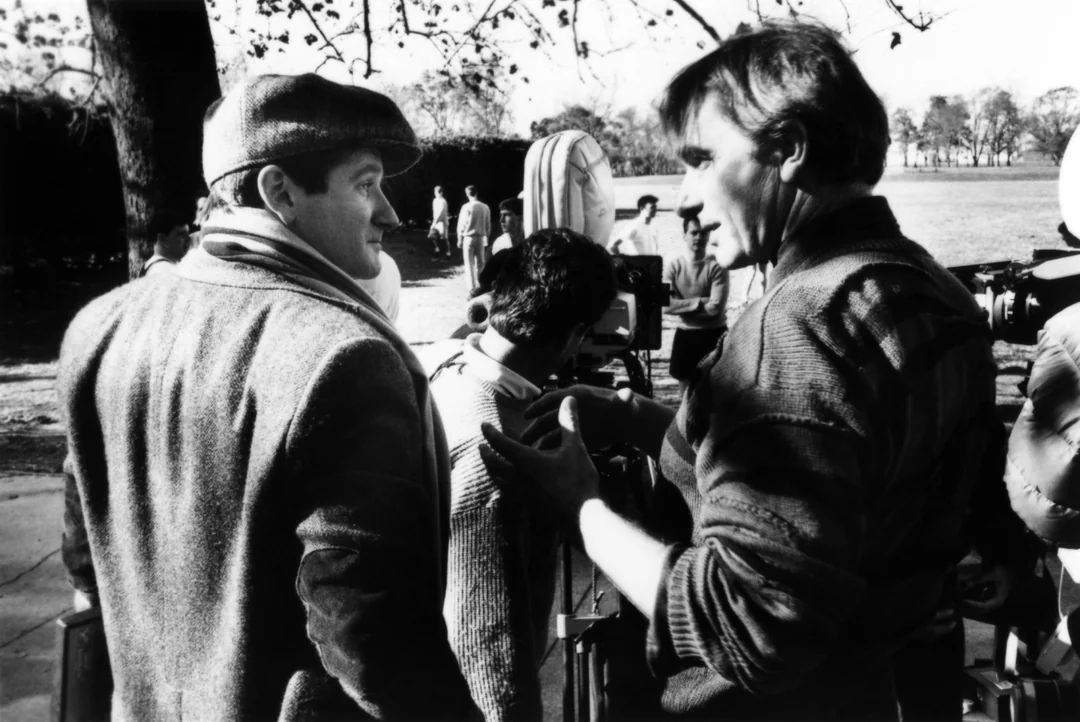
Peter Weir receives the first AFTRS Lifetime Achievement Award at the Sydney Film Festival: a tribute to a cinema capable of giving shape to mystery without consuming it.
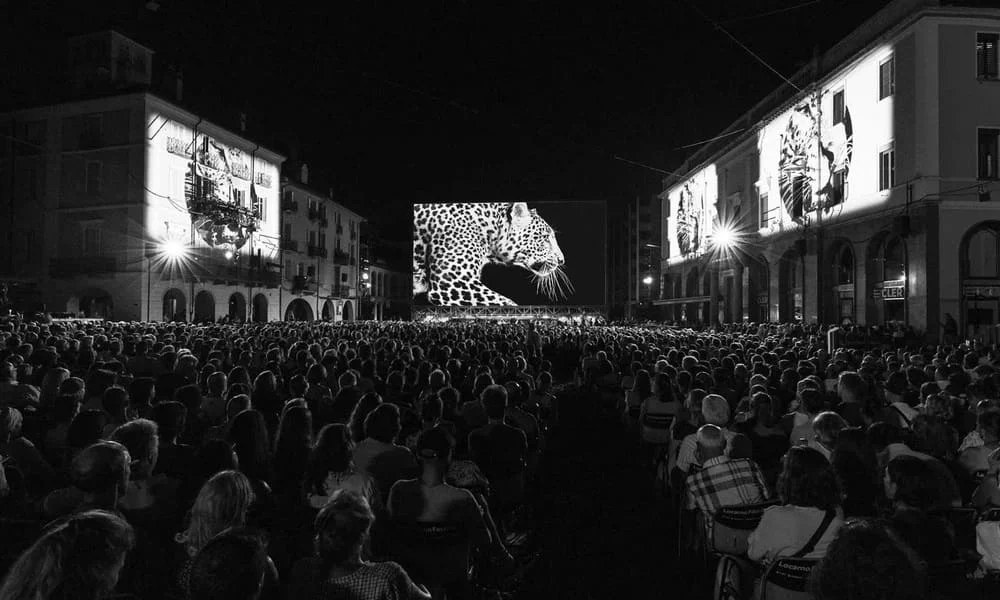
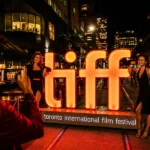
The Sydney Film Festival, now in its seventy-third edition and running from June 3 to 14, welcomed Peter Weir during the final stretch of the event, when the festival already begins to feel like a reckoning: not merely a sequence of premieres, red carpets and encounters, but the moment when cinema looks at itself and decides which stories are worth preserving.
Peter Weir, director of Picnic at Hanging Rock, Gallipoli, Dead Poets Society and The Truman Show, received the first Lifetime Achievement Award from the Australian Film Television and Radio School. Giving the honor a weight beyond mere celebration was Rachel Perkins, chair of the AFTRS Council, who described Weir as “the greatest filmmaker this country has produced.”
The honorary Oscar had arrived in 2022, the Golden Lion for Lifetime Achievement in Venice in 2024. Sydney, however, makes a more intimate gesture: it returns Peter Weir to the cultural history from which his cinema first took shape.
A Sentimental Atlas of Peter Weir’s Cinema
Details that may seem marginal at first, when placed together, form the portrait of an author who crossed genres, countries and industrial systems without losing the most fragile relationship with his material: listening, intuition, encounters, sudden deviations, images that continued to work inside memory.
The director recalled the risk he took in casting Linda Hunt in a male role in The Year of Living Dangerously, a choice that says a great deal about his relationship with form: not a gratuitous provocation, but faith in cinema’s power to shift the viewer’s perception.
He also recounted his meeting with Robin Williams on a Sydney beach, a year before Dead Poets Society: an improvised coffee, a sentence spoken almost lightly — “How wonderful it would be to do something together” — and, with time, the sense of a coincidence that was only waiting to become cinema. It is a light anecdote, yet it illuminates the way Weir has always inhabited his craft: not as a machine to be programmed, but as a field of correspondences to be recognized when they begin to take shape, to be listened to until they become inevitable.
The Cinema of Ordered Worlds Secretly Cracked Open
During the evening, Weir also recalled that he had initially turned down The Truman Show, only to reconsider because he could not stop thinking about it. The film, written by Andrew Niccol, carried enormous conceptual force: a man unknowingly living inside a permanent spectacle. Even though reality has now passed through and surpassed many of the film’s intuitions, The Truman Show continues to shine with contemporary relevance because it tells of a more subtle imprisonment: one that needs no bars, because it takes the reassuring form of habit, comfort and normality.
Something similar happens in Dead Poets Society. The film entered the collective imagination through Robin Williams’ face and the phrase “carpe diem,” but its deeper endurance lies elsewhere: in the way Weir stages a school that promises education and produces obedience, an idea of order that confuses discipline with the erasure of one’s voice.
In his cinema, freedom never arrives as a slogan: it arrives as a fracture, as an exposed gesture, as personal risk. In his speech, the director described cinema as a “mercurial, uncontrollable, unknowable” process: three words that seem to describe the eye of the storm of his direction, the unstable center of intuition, capable of entering chaos without reducing it to explanation.
Weir has made films capable of speaking to everyone without becoming predictable, films crossed by profound questions without enclosing them in a thesis, spiritual films that never turn into sermons. The lifetime achievement award celebrates a great author and, at the same time, recalls an increasingly rare idea of cinema: one capable of giving shape to mystery without consuming it, illuminating it for a moment and allowing it to continue inside the viewer.