Now Reading: Independent Pictures: Artists Equity Challenges the Megaproduction Model
-
01
Independent Pictures: Artists Equity Challenges the Megaproduction Model

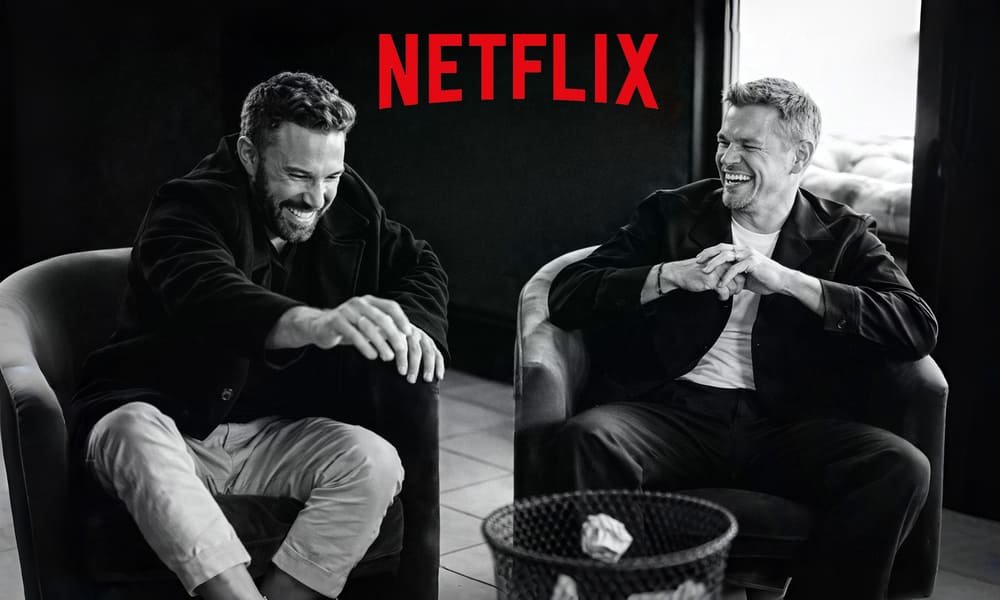
Ben Affleck and Matt Damon are opening Artists Equity Independent Pictures, a new label backed by a dedicated fund for emerging filmmakers. The return to independent cinema sounds nostalgic. Its economics are not.
Affleck and Damon are launching Artists Equity Independent Pictures. Debuts, stars and artificial intelligence: behind the return to their roots, something is different from yesterday.
Ben Affleck and Matt Damon have announced Artists Equity Independent Pictures, a new label backed by a dedicated fund to give emerging directors room to work under a model that is creatively ambitious but financially disciplined. “We owe much of our careers to independent cinema,” the two say, giving the news its most comfortable storyline: stars who made it big are returning to help those just starting out.
Independent cinema with famous names behind it
Among the first projects are A Woman in the Sun, the directing debut of Nyad screenwriter Julia Cox, with Renée Zellweger, Sissy Spacek and Mia Threapleton, and Downriver, the first narrative feature by Sam Jones, written with Carl Hiaasen. New voices arrive with recognizable names already attached.
In 2021, on Hot Ones, Damon explained why certain films had become harder to finance: the disappearance of DVD revenue had removed their second round of income. For Behind the Candelabra, he recalled, an executive calculated $25 million for production, another $25 million for promotion and $100 million in box office just to break even after exhibitors’ share.
Then came InterPositive, Affleck’s AI company, acquired by Netflix on 5 March. Its tools are designed to solve missing shots, background replacement and lighting problems while keeping creative decisions in filmmakers’ hands. On a production worth hundreds of millions, another shooting day may be an accounting problem. On a smaller film, it can determine how much of the script survives the budget.
Artists Equity wants more people to share the result
Artists Equity, founded in 2022 with RedBird Capital, is built around a specific economic bargain: major talent can accept lower upfront compensation in exchange for participation in the film’s earnings.
The principle extends beyond stars. Editors, cinematographers, costume designers and other collaborators can participate in success as well. That reduces the cash required before production and expands the list of people who can benefit if the film works. The upside no longer stops at the largest names on the poster.
The model already has evidence behind it. On The Rip, Artists Equity announced bonuses for roughly 1,200 members of the cast and crew. The company also has Sony as a financing and worldwide theatrical distribution partner, while Netflix receives a first look at streaming projects.
The new fund directs capital toward emerging filmmakers inside a structure that can lower upfront star costs through profit participation and use established partners to bring projects to audiences.
That attacks the problem at the point where films are actually approved or rejected: what does this cost, and how much does it have to earn? Lower upfront salaries, cheaper problem-solving and dedicated financing can change that calculation before someone decides audiences have mysteriously lost interest in adult stories.
It is an intelligent answer to the expanding hole where the middle of cinema used to be.