Now Reading: Nicolas Cage Breaks With Amazon Over His Digital Likeness
-
01
Nicolas Cage Breaks With Amazon Over His Digital Likeness

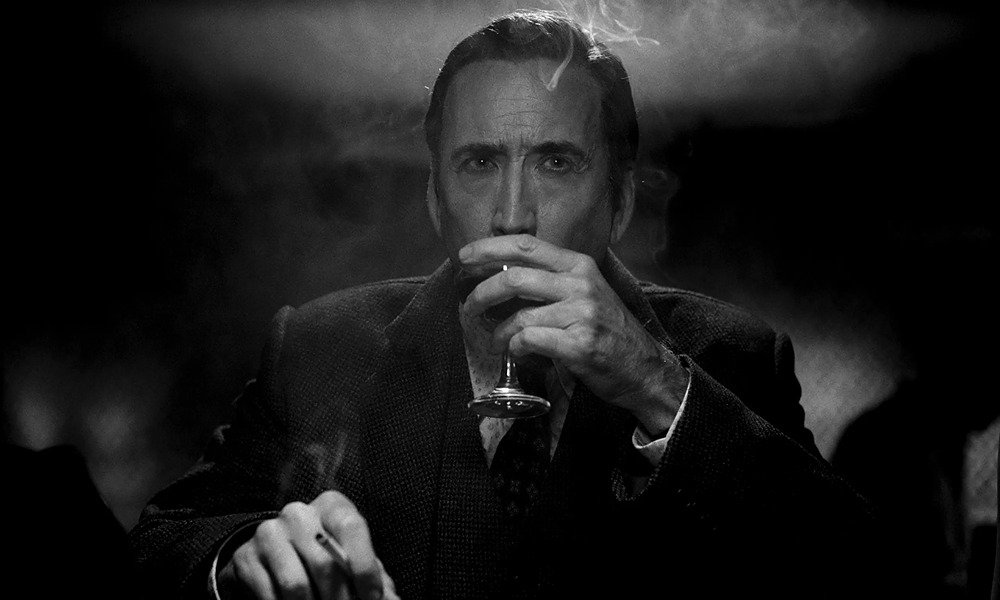
Nicolas Cage says he refused an AI waiver for Spider-Noir and may be done with Amazon. His earlier experiences make the refusal less theoretical than it sounds.
In Hollywood, artificial intelligence is already a contractual matter, and between Nicolas Cage and Amazon, incompatibility has taken the form of a missing signature.
At New York Comic Con on 10 October, the actor said he had refused a waiver for the use of AI on Spider-Noir, adding that he probably will not work with the studio again. The platform is very favorable to artificial intelligence; he describes himself as an actor who is not. It looks like a separation over disagreements about the future, with the future already assigned to the side that owns the servers.
The company’s openness toward AI has a rather concrete dimension: Cage points to Amazon’s $50 billion investment in OpenAI, announced as part of a multiyear partnership.
Nicolas Cage and Amazon: the price of a missing signature
Cage, while floating his still-unconfirmed presence in the fifth season of True Detective, says he would like to work with Generation Z directors who grew up on YouTube, appreciating their artisanal approach and creative freedom.
Smaller productions and filmmakers less tied to the studios can offer him precisely what the waiver requested by Amazon put into question: more direct control over how his image is used and transformed.
Of Spider-Noir, cancelled in September after a single season, he had already said that one was enough, also stressing the embarrassment of having to wear a superhero costume at his age. Artistic independence continues to have costs, and his refusal also has to be read within this need to work, which makes the freedom to choose an employer considerably less abstract.
From The Flash to AI: being reproducible does not mean being available
In 2023, for his Superman cameo in The Flash, he had performed bewilderment in front of the destruction of a universe; in the finished film he instead found himself fighting a giant spider. “That’s not what I did,” he said, attributing the transformation to CGI: audiences had seen Nicolas Cage do something Nicolas Cage had not done.
In July 2024 he explained that he had to go and be scanned, for the series and for a film, while wondering what they would do with his body and face after his death. The prospect of inevitably becoming reusable material frightened him; at the very least, he would have wanted to be consulted one day.
Placed beside these precedents, the refusal to Amazon takes on a precise meaning: a claim to power over his own digital body, to decide what actions may one day be attributed to his likeness.