
Now Reading: Fox Buys Roku: The $22 Billion Deal That Changes Streaming and Cinema
1
-
01
Fox Buys Roku: The $22 Billion Deal That Changes Streaming and Cinema

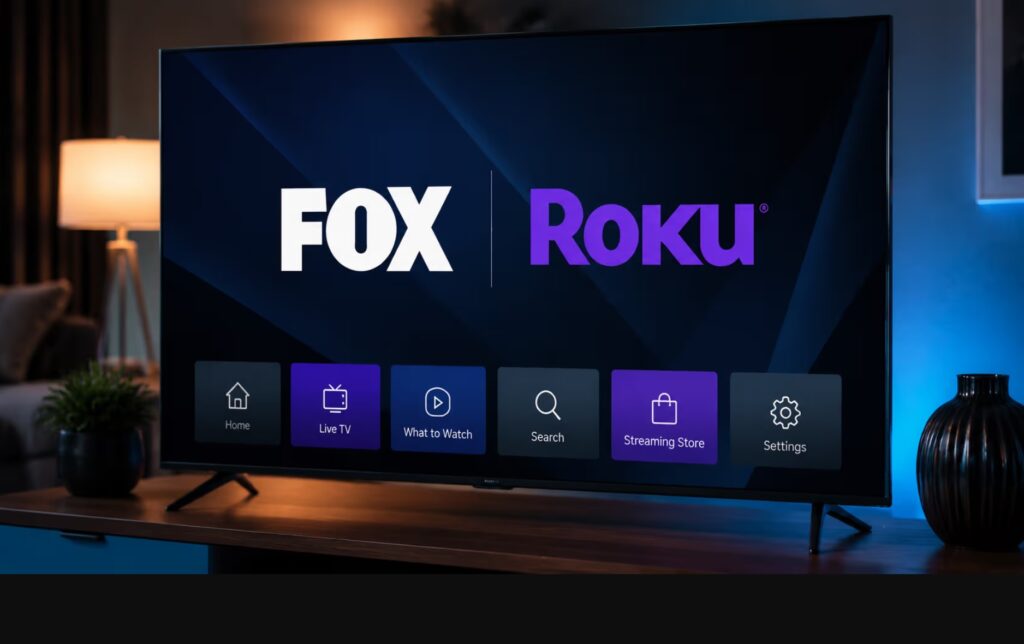
Fox acquires Roku for $22 billion: it is not just streaming, but control over distribution, advertising and direct access to viewers.
The new streaming war is advertising
The idea of streaming as a race for subscribers has burned billions and produced a mountain of content that often looks interchangeable. The Fox-Roku deal points in another direction: the winner is not whoever owns the entire catalogue, but whoever controls the relationship between screen, user and advertiser, including through live news, sports and digital advertising. According to the companies, the combination will create one of the largest streaming businesses in the United States by bringing together Tubi and The Roku Channel. The financial promise includes around $400 million in annual synergies once fully implemented, with current Fox shareholders expected to own about 73% of the new entity and Roku shareholders about 27%. Investor-presentation numbers, of course. Behind those figures sits a clear industrial thesis: FAST TV, free and supported by advertising, is no longer streaming’s poorer cousin. It is the laboratory where the industry is trying to rebuild the lost rent of generalist television.TV becomes free again, and the remote is worth more than the schedule
Today, censorship is not necessary: it is enough to promote something better, suggest an app first, redirect attention and optimize discovery. The market reaction shows that the deal is not being perceived as risk-free. Some reports noted a decline in Fox shares after the announcement, amid concerns over dilution, debt and the integration of a technology business very different from traditional television. Fox will finance the cash portion with new debt and available cash, supported by a $12 billion bridge loan. Strategic ambition on one side, financial leverage on the other. Fox’s acquisition of Roku marks the return of free television as an infrastructure of power: fewer subscriptions, more advertising; less remote control, more algorithm; less schedule, more interface. After selling parts of Hollywood to Disney, Fox is re-entering the game through distribution.Related Posts
Previous Post
Next Post








Random





Donations


Loading Next Post...