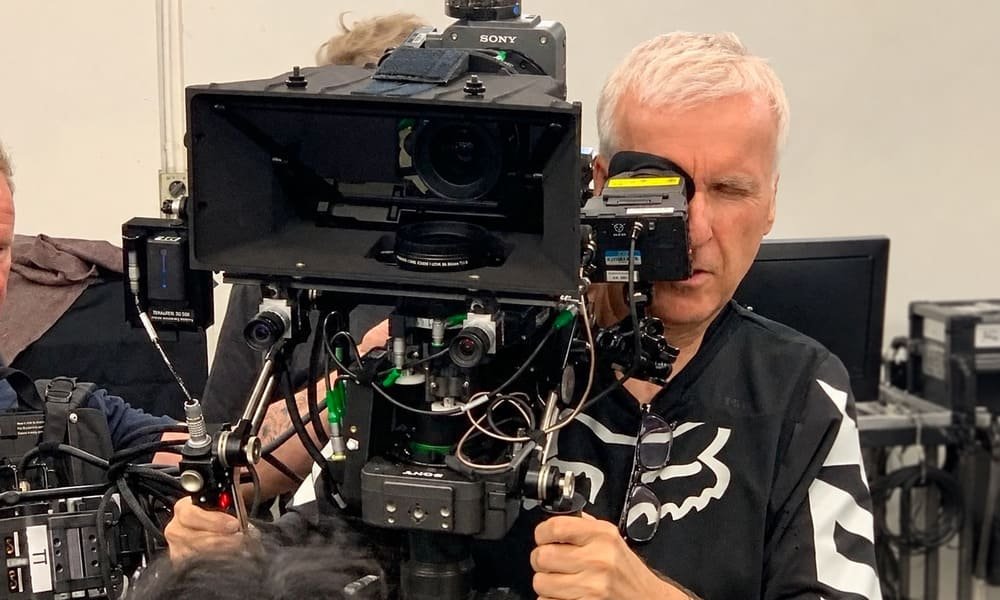
Lightstorm Vision’s acquisition of Outsyders joins native stereoscopic capture with AI-assisted conversion, aiming to make 3D faster, cheaper and scalable.
Lightstorm Vision’s acquisition of Outsyders joins native stereoscopic capture with AI-assisted conversion, aiming to make 3D faster, cheaper and scalable.

YouTube is moving from distribution platform to rule-maker: lobbying with streamers, entering TIFF and gaining new influence over how global culture is filtered.
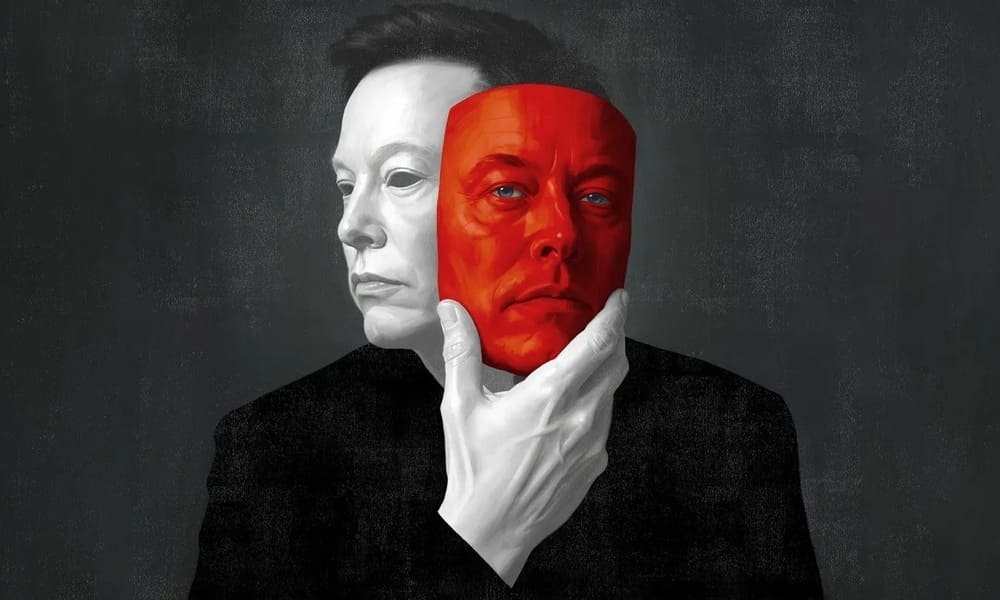
Alex Gibney’s Musk documentary faces legal pressure while HBO’s ownership may change, turning the film’s subject—concentrated power—into a distribution problem.
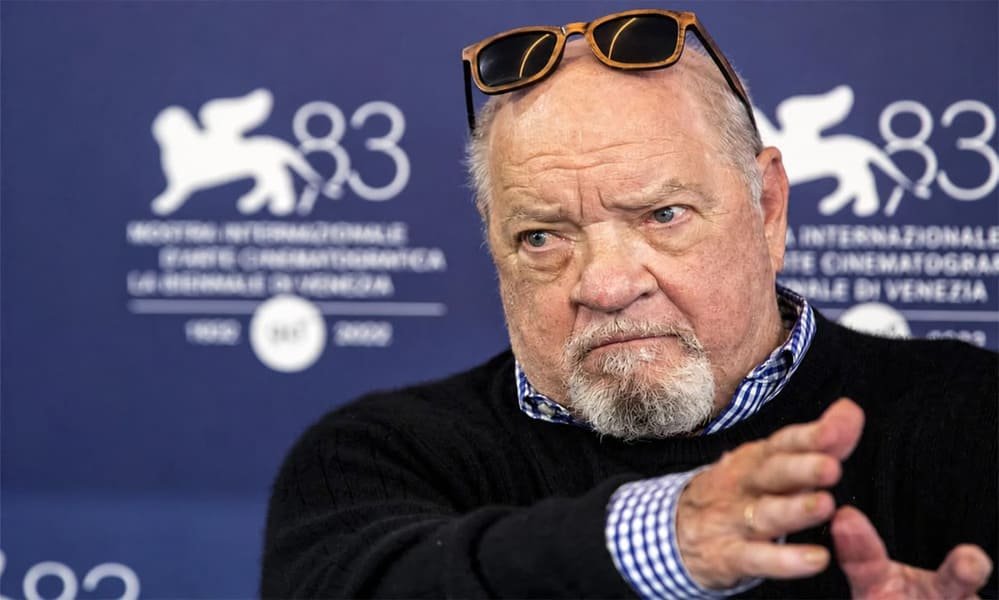
Paul Schrader calls the studio system dead, finances films for a few million dollars and embraces AI. His real argument is that creative freedom follows the budget.
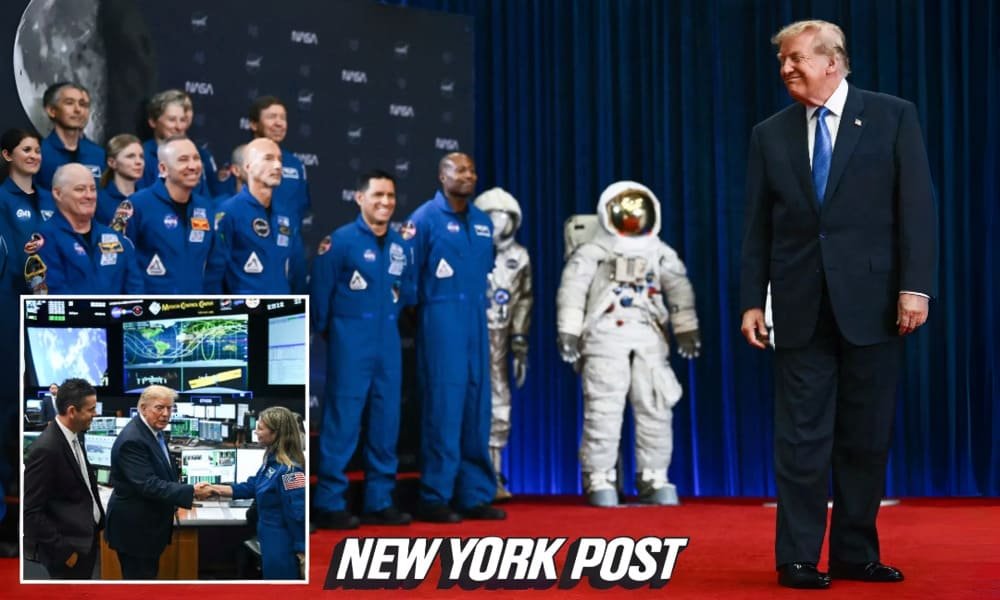
A first-look deal with Crazy Legs Productions turns the New York Post archive into a development library for film, television and streaming.
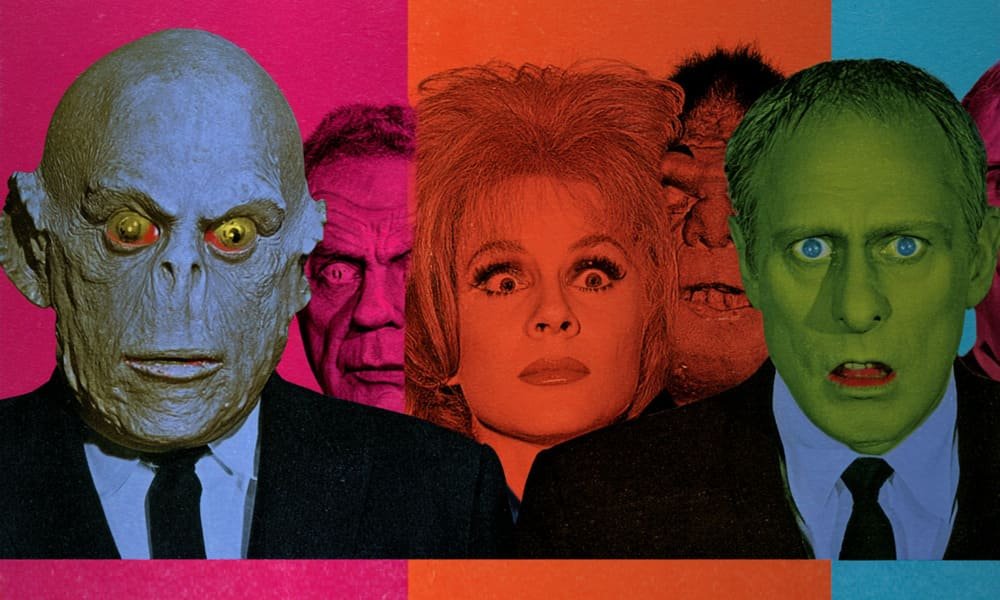
Roy Price’s N1BW turns 60–120 second microseries into a public development system where every episode can function as a pilot, market test and production decision.

At Busan’s Asian Contents & Film Market, AI, cloud infrastructure, VFX, microdrama and audience biometrics are being organized into one production-and-distribution chain.
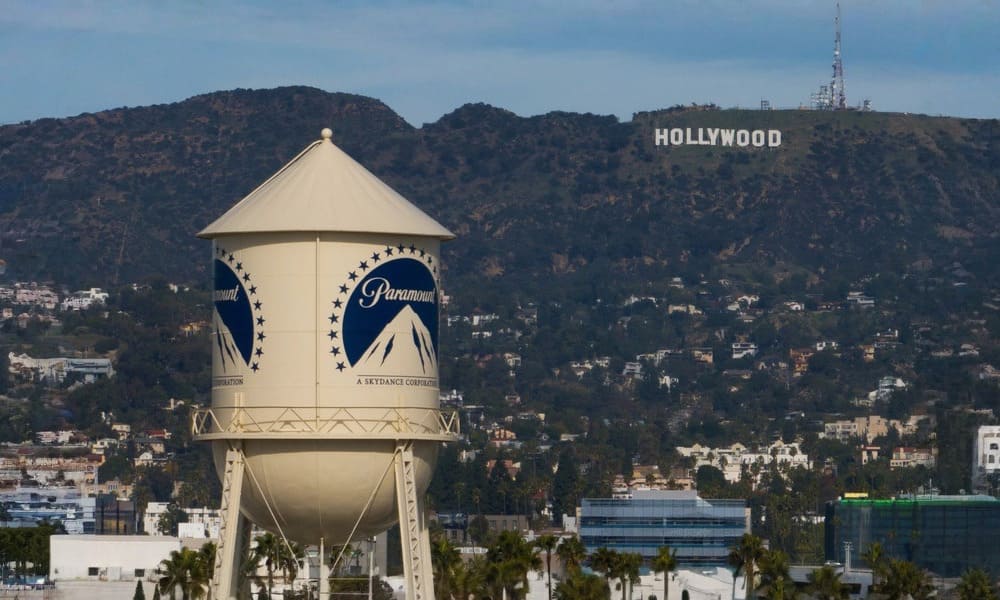
The Paramount-Warner merger would bring the CNN and CBS archives under a single owner. For documentary filmmakers, the issue is not only preserving them, but being able to use them.
Netflix reportedly paid $587 million for InterPositive, while generative AI has already been used in around 300 of the group’s productions in 2026.
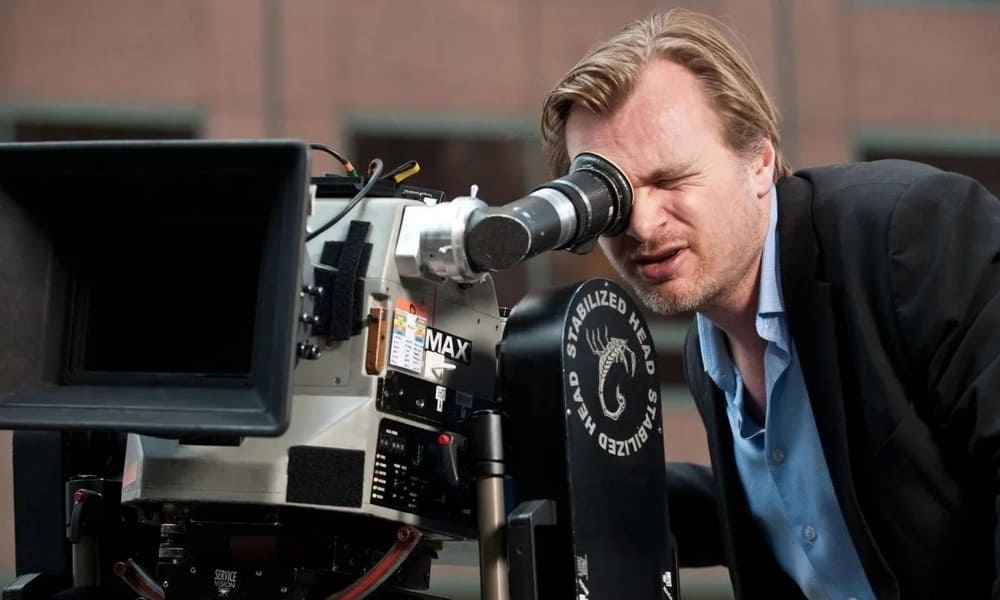
Christopher Nolan argues that Gen Z is rejecting AI in cinema. But four children and two Western success stories do not represent a global audience.