Now Reading: Paul Schrader Says the Studio System Is Dead—and Acts Like He Believes It
-
01
Paul Schrader Says the Studio System Is Dead—and Acts Like He Believes It

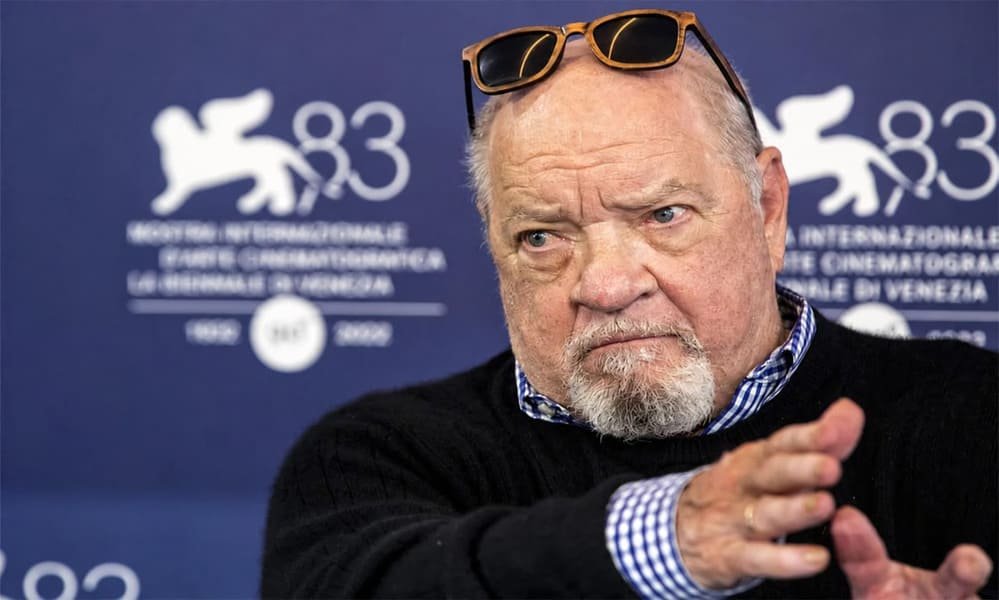
Paul Schrader calls the studio system dead, finances films for a few million dollars and embraces AI. His real argument is that creative freedom follows the budget.
Paramount and Warner trying to merge? To Paul Schrader, they are two dinosaurs mating. Behind the joke lies a ferocious thesis about the decline of the studios and about AI.
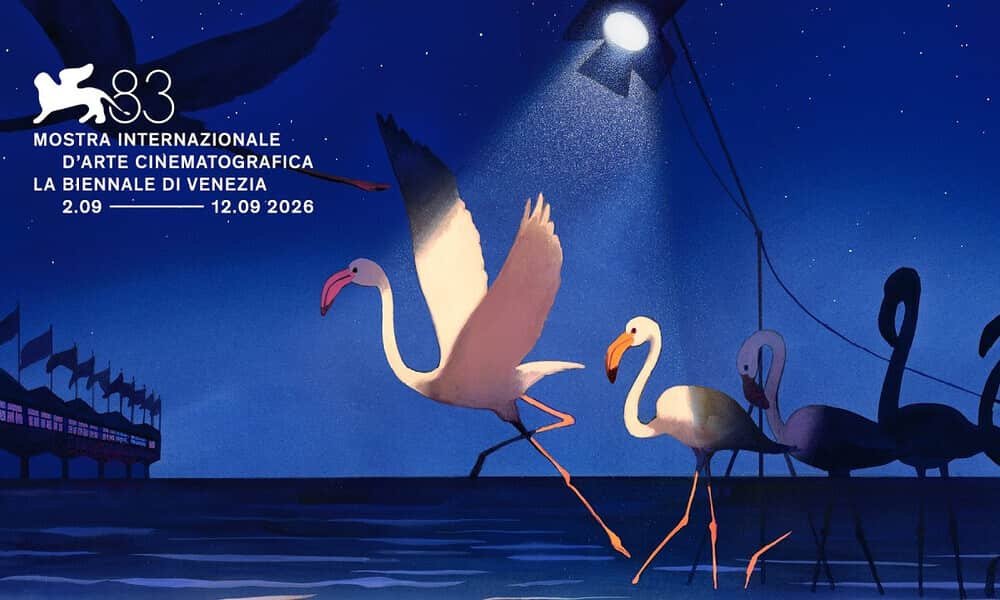
Interviewed at Venice 83 about the major consolidation operation between the two groups, the director of American Gigolo and screenwriter of Taxi Driver added the point that really matters:
“The studio system is sort of dead”.
So much for the marriage of the century: in Schrader’s reading, when two giants need to become an even bigger giant, they are only demonstrating how hard it has become for them to remain standing on their own.
Paramount-Warner: two dinosaurs against extinction
Hollywood calls all of this consolidation, synergies, global scale.
The movie theater, Schrader argues, retains enormous cultural value, but it is no longer the dominant economic engine of filmed entertainment. Even when a phenomenon arrives that can fill cinemas, that does not automatically mean the old model has returned to health.
The system built around the all-powerful studio, huge budgets and the right to decide which films are allowed to exist is now creaking. And Schrader has some standing to say so: for half a century that system has financed him, rejected him, corrected him and, at times, mutilated his work.
Light Sleeper was rejected by 29 studios and distributors; Dying of the Light was re-edited against his wishes.
The Basics of Philosophy: $2.3 million so you do not have to ask permission
The new The Basics of Philosophy, presented in Venice with Martin Scorsese as executive producer, cost around $2.3 million. One and a half million in equity, tax incentives for the rest, international presales and a promise to investors that is decidedly un-Hollywood: you will not get rich, but you will probably get your money back, end up on a red carpet and be able to say you produced a Paul Schrader film.
Schrader has discovered that authorial freedom can be a consequence of arithmetic. Digital production, incentives and low budgets are not merely production tools: they reduce the number of people who can call the director to explain what kind of film he should be making. And that is the real slap in the face to studio rhetoric.
At eighty, he is continuing his “man in a room” series: after the cab driver in Taxi Driver, the minister in First Reformed, the gambler in The Card Counter and the gardener in Master Gardener, now comes a philosophy professor tormented by guilt from his past.
“I can’t stop writing about guilt”.
After the studios, Schrader turns to artificial intelligence
Schrader is also working on a film that is supposed to be made entirely with AI and on another containing around fifteen minutes generated artificially. On the employment risk, he answered with the delicacy of a bulldozer:
“Those jobs are gone, babe”.
You can shout “Stop AI,” he is essentially saying, but the technology is not going back into the box. It is a debatable position, especially for people who genuinely risk losing those jobs, but it is perfectly consistent with his trajectory.
If the dinosaurs really are going extinct, at least Schrader has already stopped behaving like one of them.