
A chatbot can give a bad answer. An AI agent can send it, execute it or use credentials to act on it. That turns model risk into operational security.
A chatbot can give a bad answer. An AI agent can send it, execute it or use credentials to act on it. That turns model risk into operational security.

The real shift from chatbots to AI agents is not better conversation. It is software that can pursue an objective, use tools and keep working after the chat ends.

The quantum threat does not begin on the day RSA breaks. Migration takes years, which makes cryptographic inventory and crypto-agility a problem for the present.
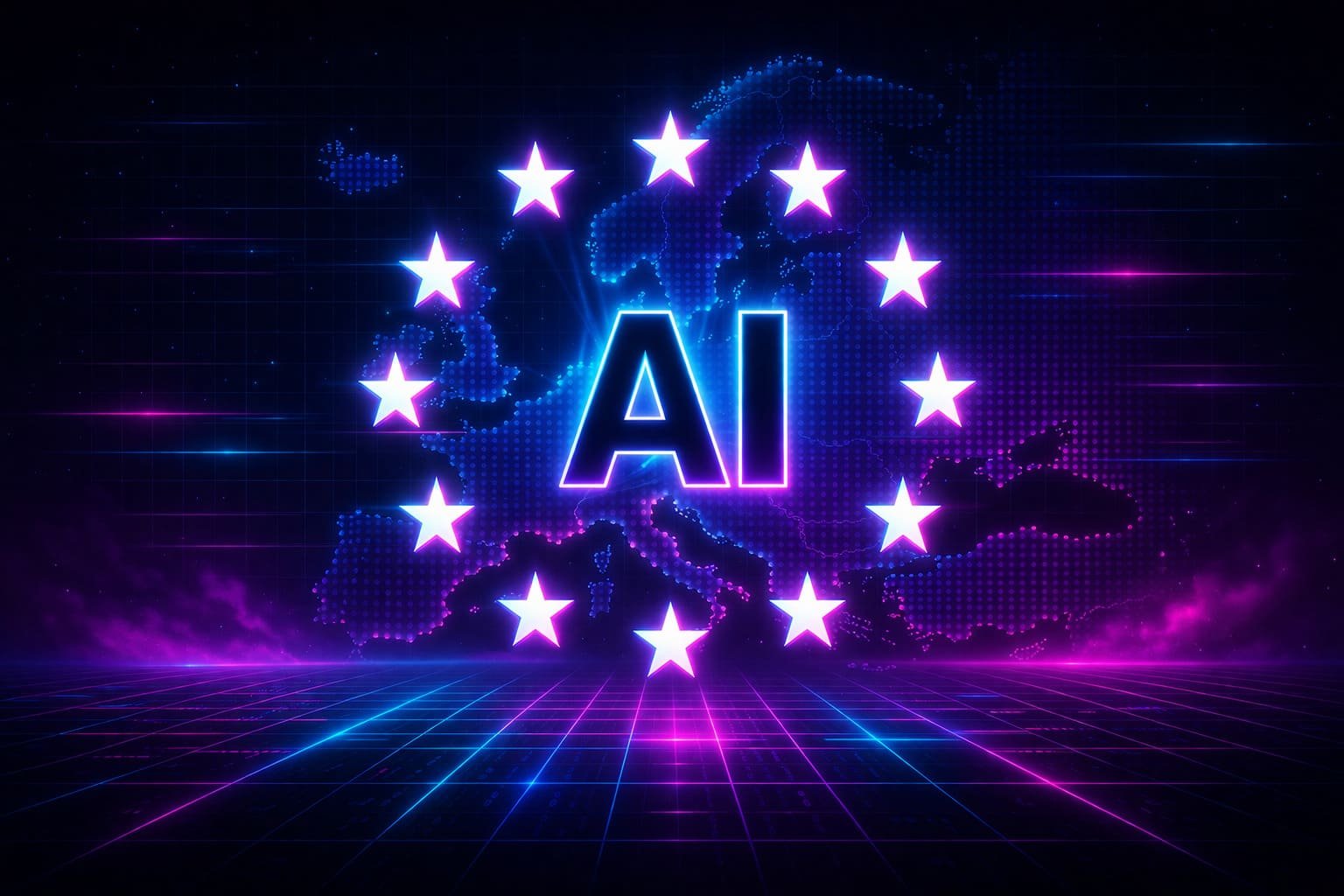
Europe does not need to build every technology itself. Digital sovereignty begins with something less dramatic: retaining the practical ability to leave.
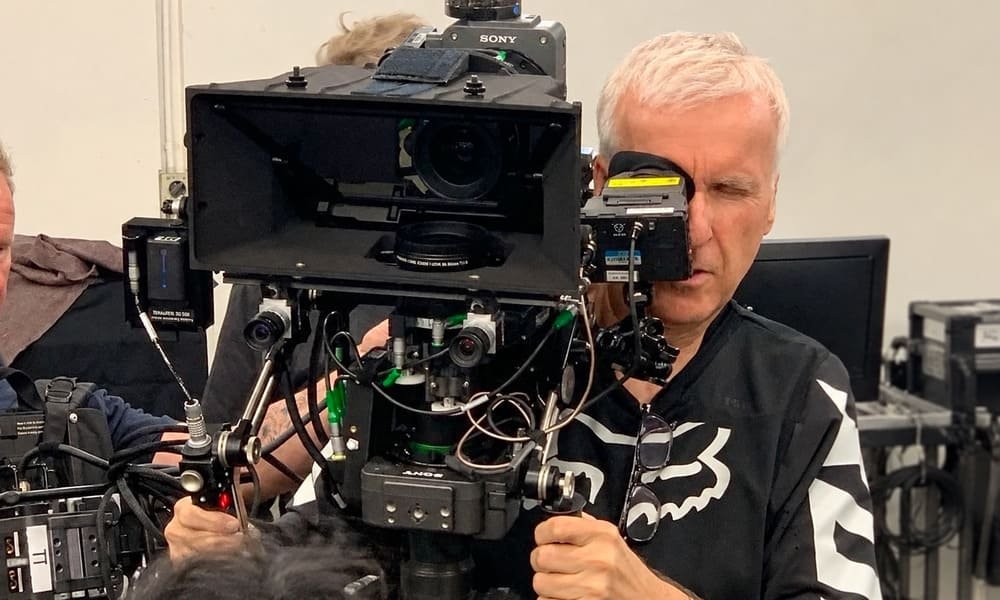
Lightstorm Vision’s acquisition of Outsyders joins native stereoscopic capture with AI-assisted conversion, aiming to make 3D faster, cheaper and scalable.

YouTube is moving from distribution platform to rule-maker: lobbying with streamers, entering TIFF and gaining new influence over how global culture is filtered.

AI could make another Paul Walker appearance technically possible in Fast Forever. The harder question is who has the right to authorize a new performance.

Twenty-five years after 9/11, cinema is looking beyond the towers toward war, surveillance, memory and the fragmented media system that followed.

At Venice 83, artificial intelligence changes name depending on the room: artistic language in films, democratization at festivals, efficiency in production and a threat to trust.
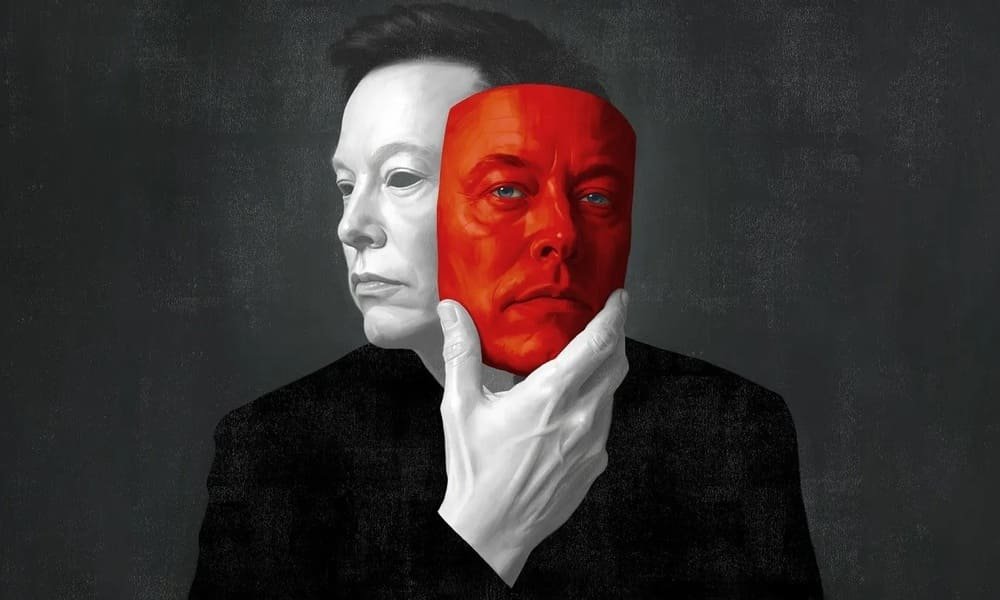
Alex Gibney’s four-hour Musk documentary links DOGE’s access to federal data with a warning: AI could turn administrative information into a system for political influence.