AI and cinema in 2026 is now a struggle over authorship, synthetic performers, labor, production systems and who controls the moving image.
AI and cinema in 2026 is now a struggle over authorship, synthetic performers, labor, production systems and who controls the moving image.
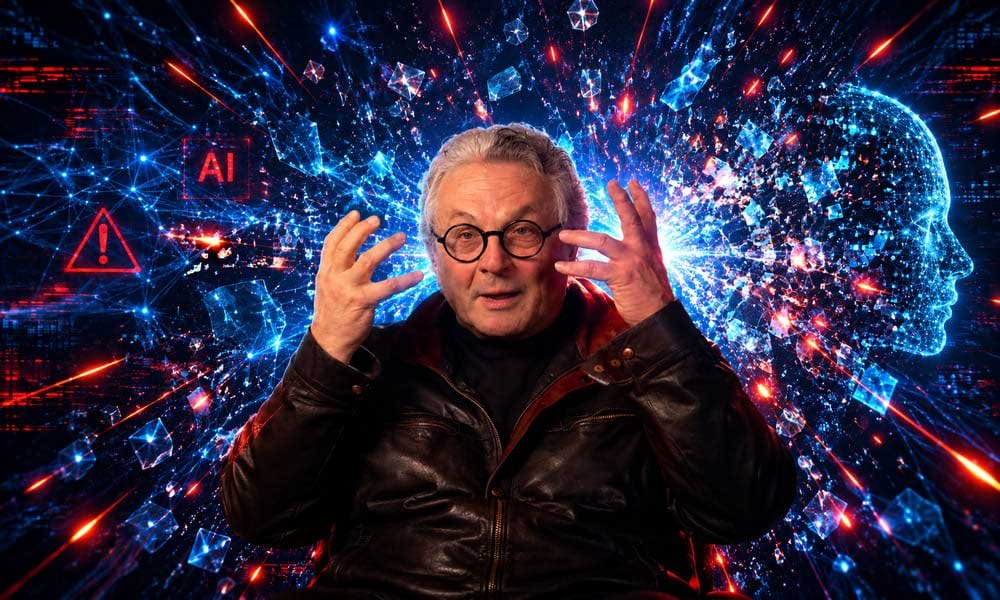
George Miller says AI can imitate human experience without living it. The harder question is whether the film industry will still consider lived experience worth paying for.
AI music can be generated at industrial scale and streamed by bots. When both supply and demand can be automated, streaming economics starts to change.
AI is moving back onto personal devices, but the cloud is not going away. The emerging architecture is hybrid — and it changes costs, privacy and platform power.
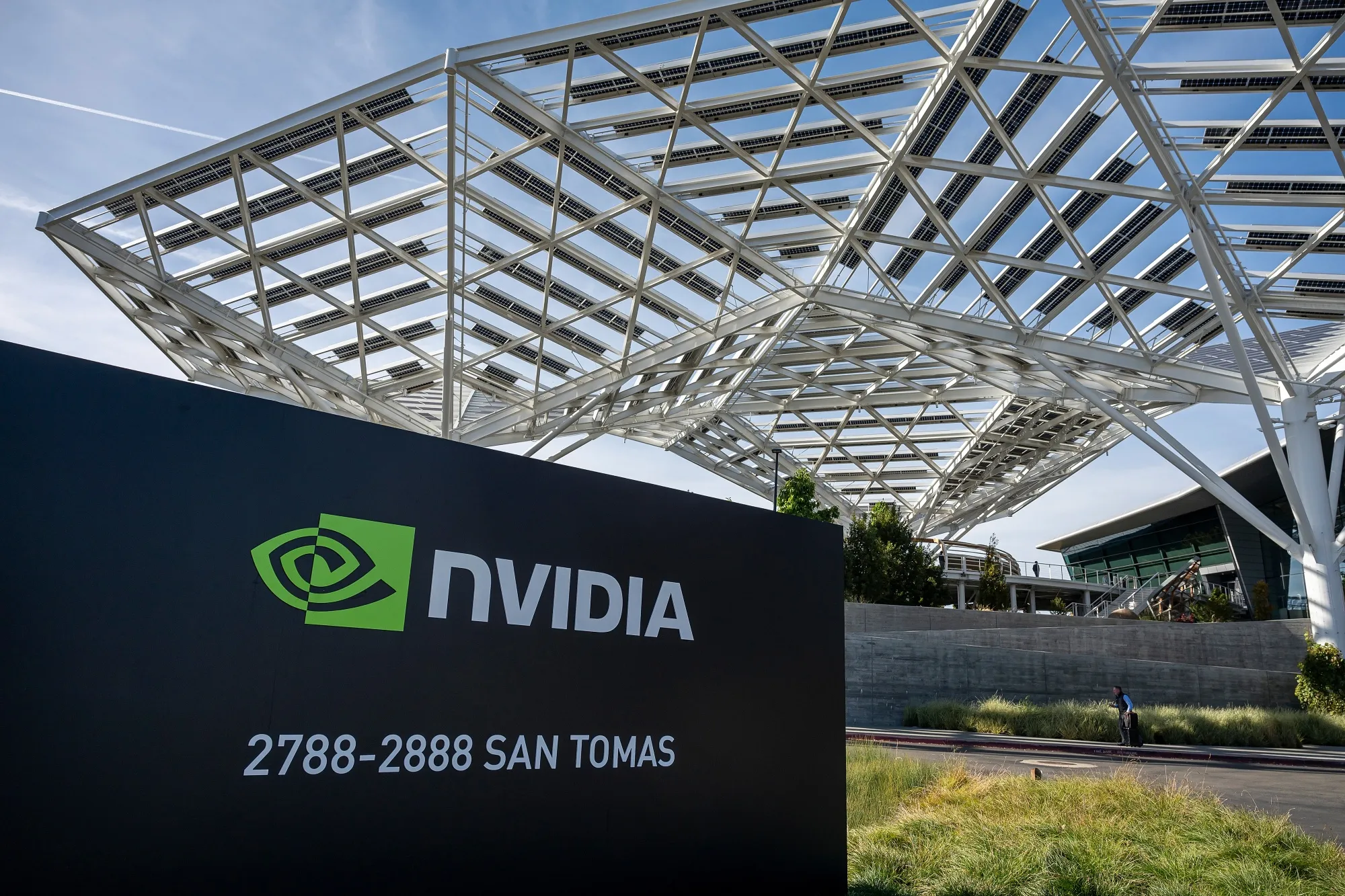
The next infrastructure contest may not be about the best GPU. It may be about who can make different chips, memory and networks behave like one coherent machine.
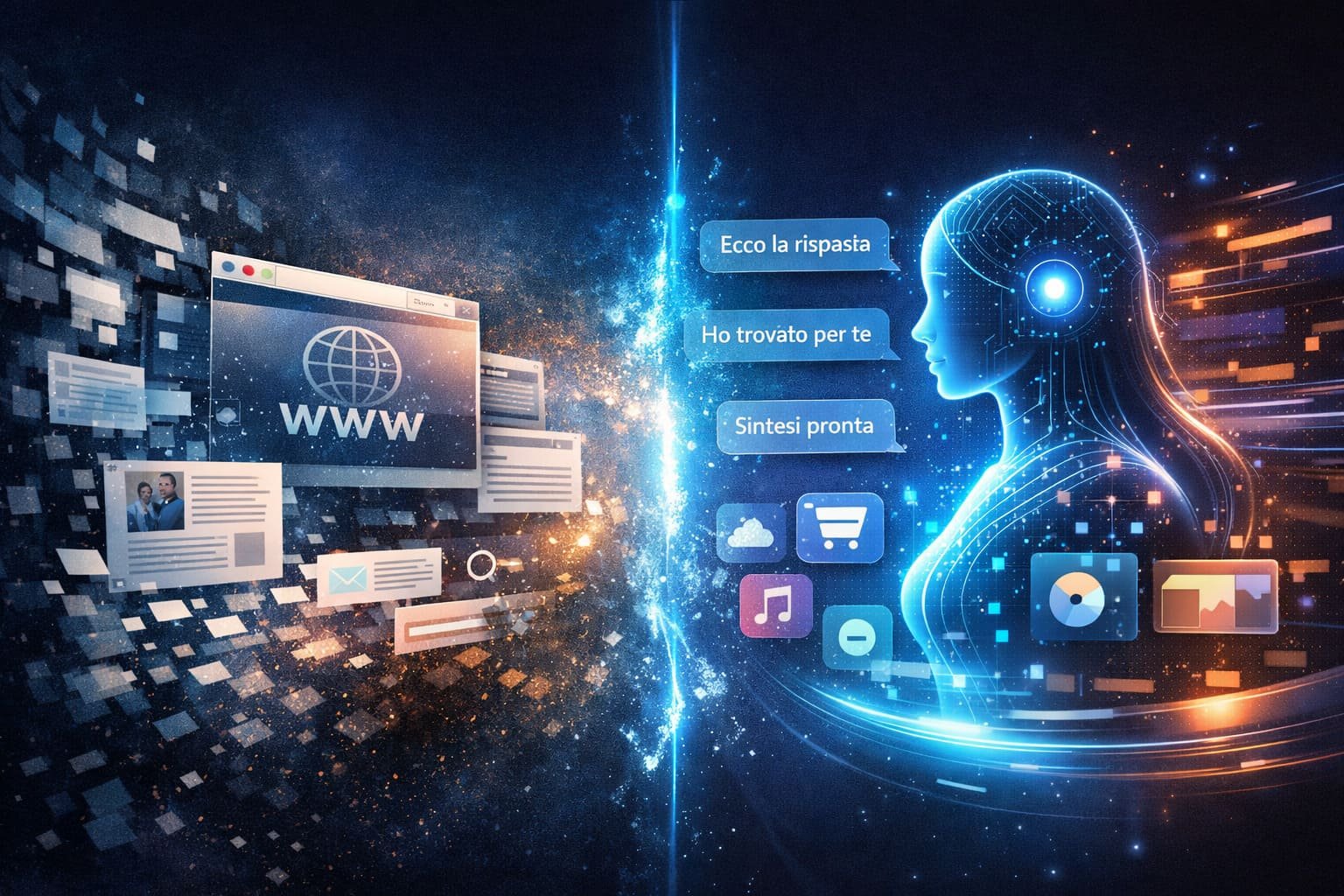
The web gave AI text and images for free. Biology, robotics and science need observations that do not yet exist — and producing them changes the economics of AI.

At Zurich, MUBI promised to keep the films it produces away from AI while producers debated lower costs, new capital and shrinking financing options. The human may be on its way to becoming cinema's luxury standard.

AI may eventually reduce costs through productivity. Before that happens, data centers, chips, energy and debt are already making the technology intensely physical.

Greta Garbo has been reconstructed with AI for an advertising campaign. Digital likeness vaults suggest a future where stardom can work in many places at once.
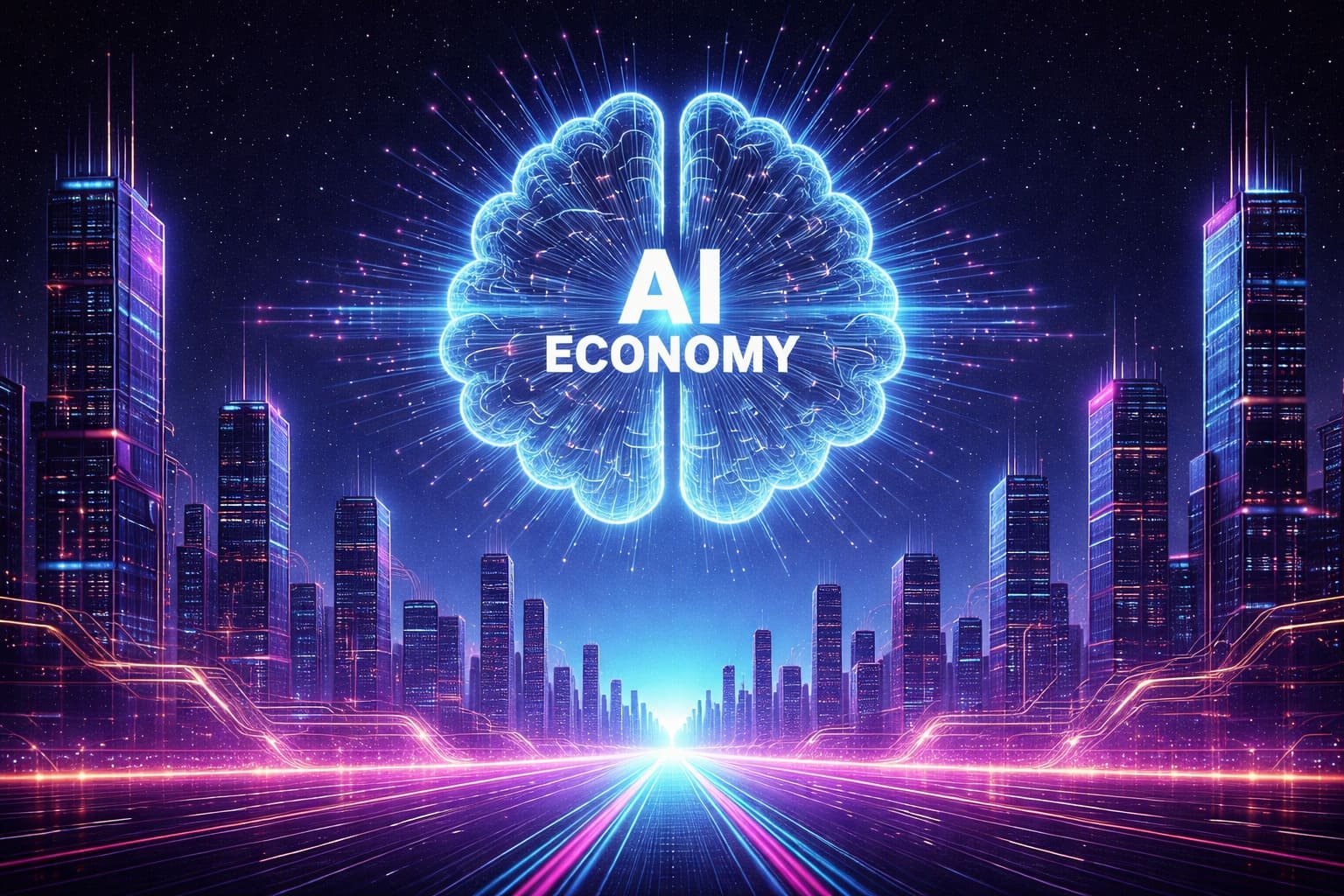
AI agents may not eliminate digital platforms. They can place a new intermediary above them — one that controls the decision instead of merely the click.