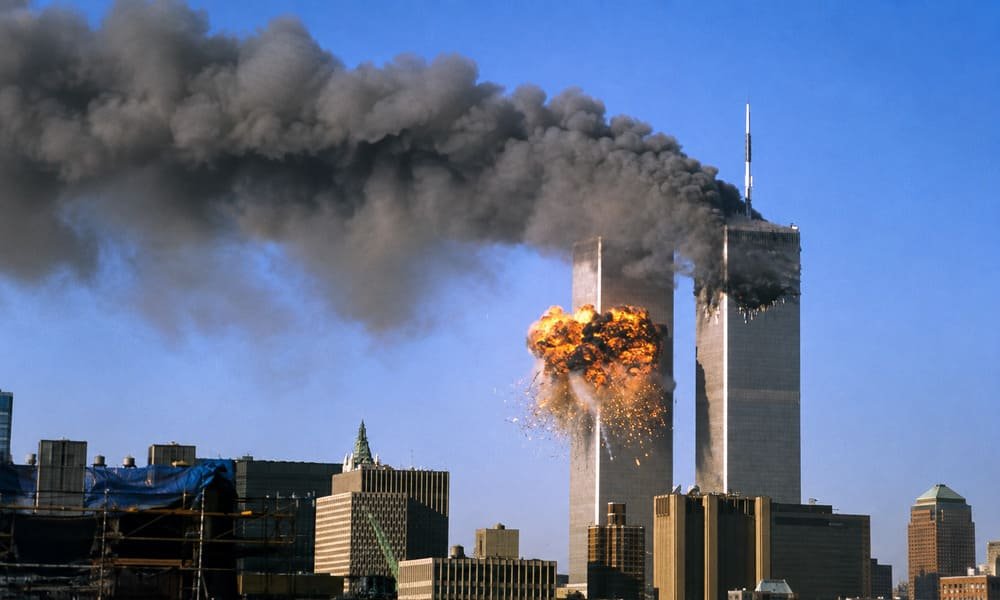
Twenty-five years after 9/11, cinema is looking beyond the towers toward war, surveillance, memory and the fragmented media system that followed.

Twenty-five years after 9/11, cinema is looking beyond the towers toward war, surveillance, memory and the fragmented media system that followed.
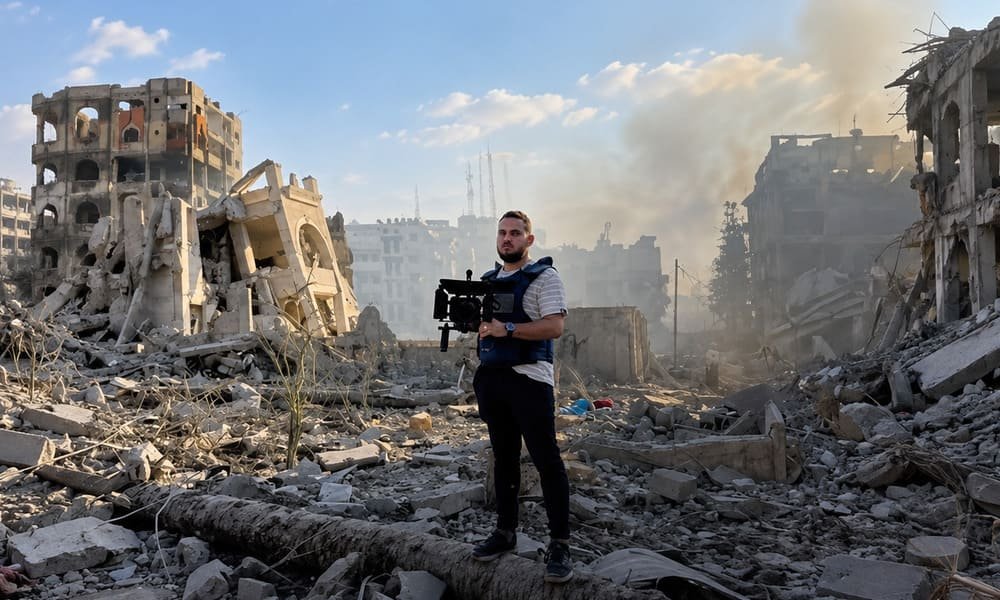
Gaza is extensively filmed but has little control over how its images are preserved, verified and distributed. The Gaza Cinema Academy targets that missing infrastructure.
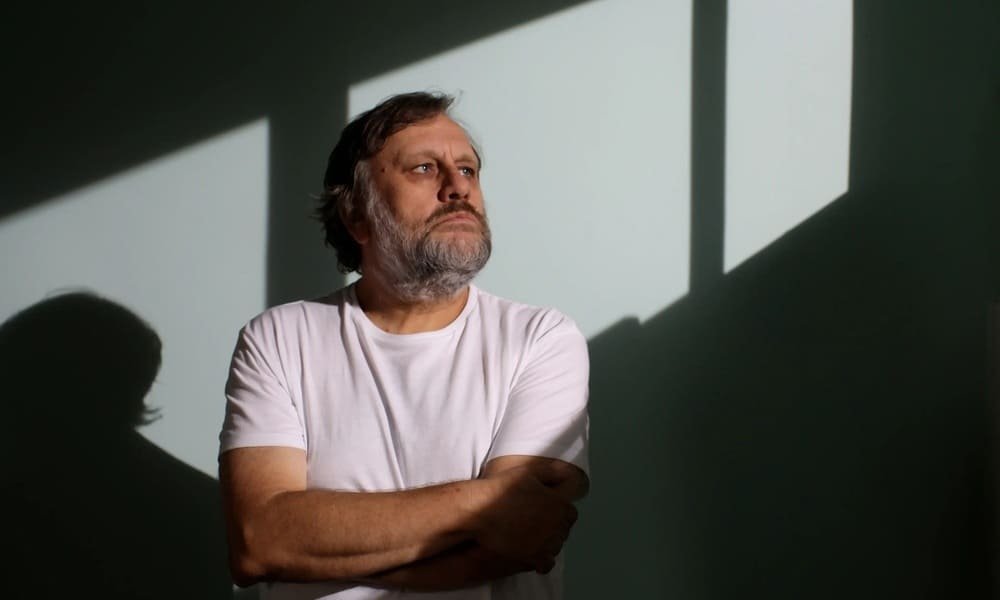
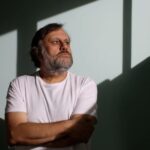
The Pervert’s Guide to Utopias returns Slavoj Žižek to Sophie Fiennes’s cinema to ask why revolution is so easily absorbed as style, product and content.
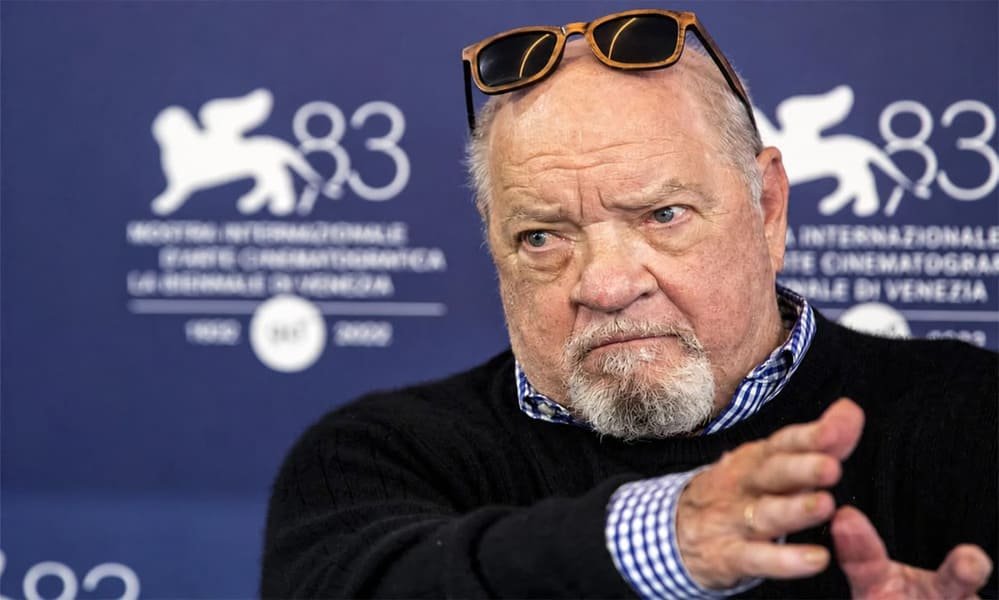
Paul Schrader calls the studio system dead, finances films for a few million dollars and embraces AI. His real argument is that creative freedom follows the budget.

At Venice 83, artificial intelligence changes name depending on the room: artistic language in films, democratization at festivals, efficiency in production and a threat to trust.

The EU revoked €2 million from the Venice Biennale over Russia’s return, while Ukrainian filmmaker Sergei Loznitsa argues that Europe’s continuing Russian gas imports reveal a larger contradiction.
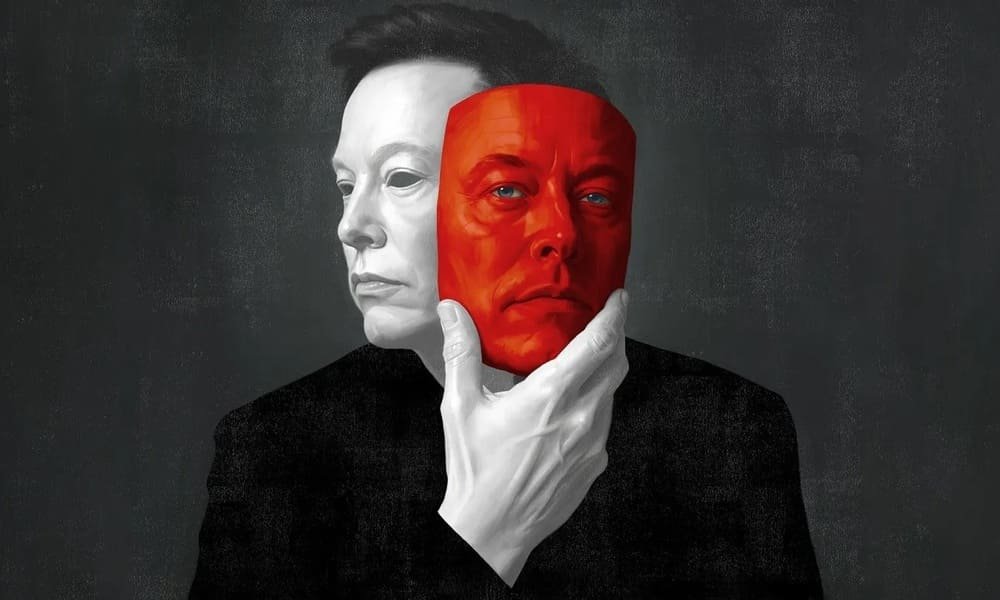
Alex Gibney’s four-hour Musk documentary links DOGE’s access to federal data with a warning: AI could turn administrative information into a system for political influence.
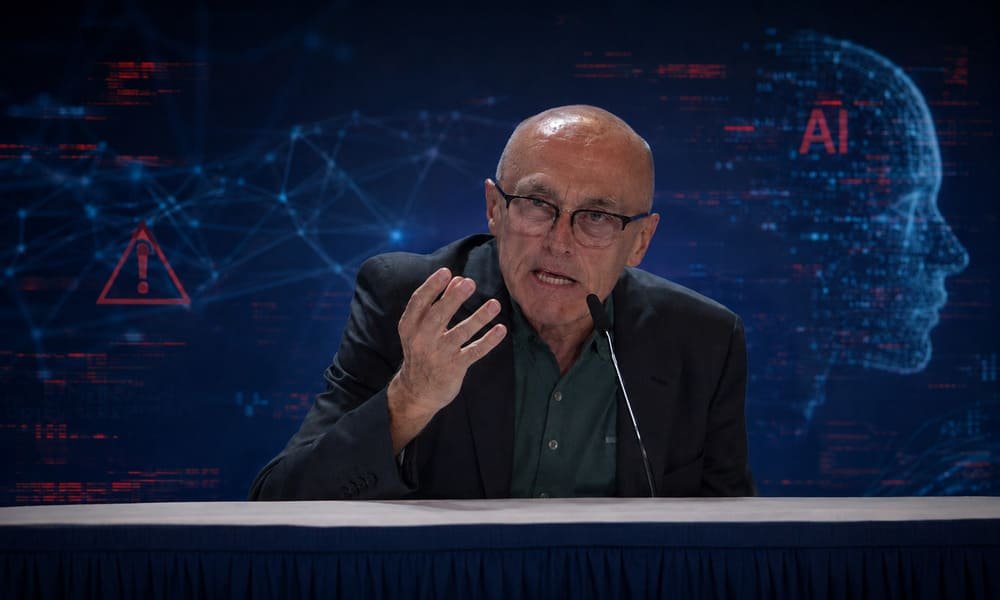
Danny Boyle’s warning about AI journalism is not mainly about job losses. It is about whether a machine can challenge the people who own its model, infrastructure and distribution.

Tippett Studio’s Berkeley workshop has closed, sending models and equipment from decades of effects work to auction while the company continues from Canada.
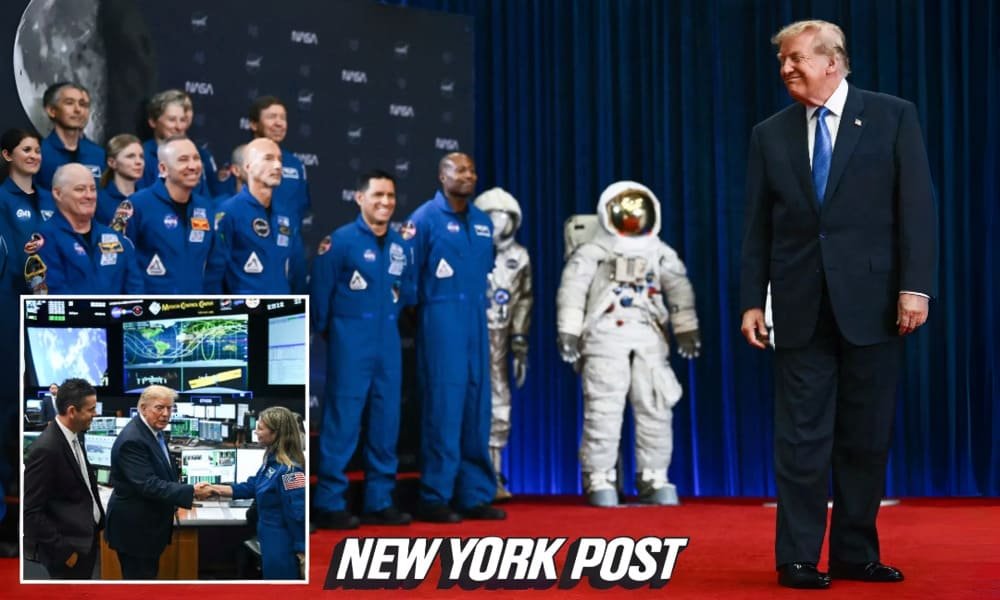
A first-look deal with Crazy Legs Productions turns the New York Post archive into a development library for film, television and streaming.