At Venice 83, artificial intelligence changes name depending on the room: artistic language in films, democratization at festivals, efficiency in production and a threat to trust.
At Venice 83, artificial intelligence changes name depending on the room: artistic language in films, democratization at festivals, efficiency in production and a threat to trust.
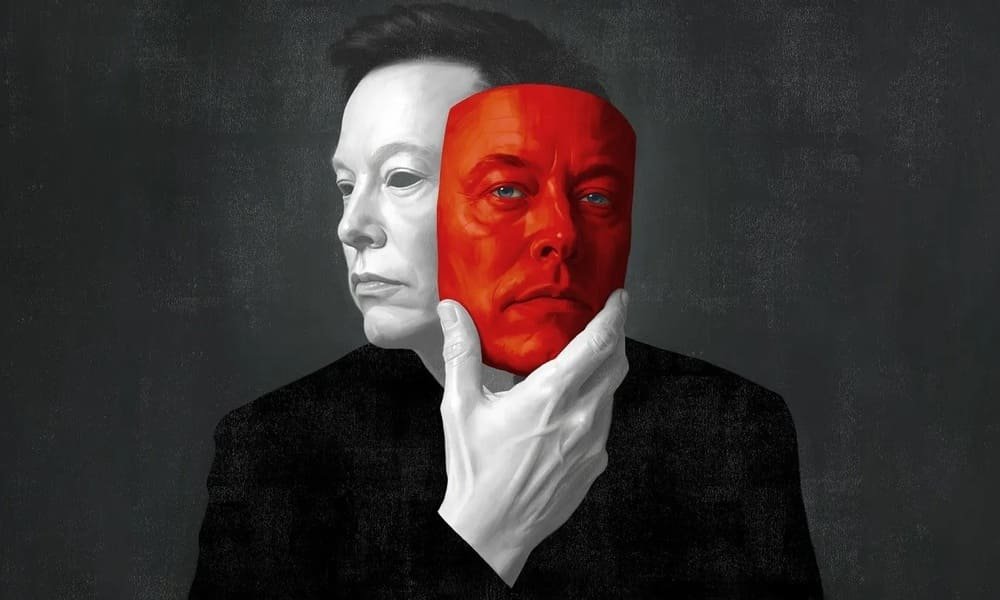
Alex Gibney’s four-hour Musk documentary links DOGE’s access to federal data with a warning: AI could turn administrative information into a system for political influence.
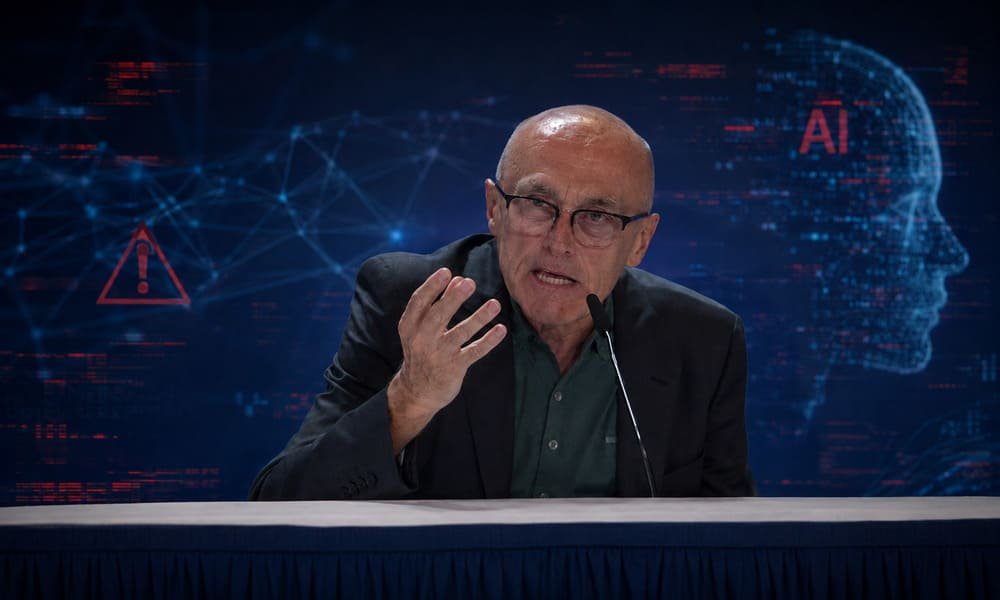
Danny Boyle’s warning about AI journalism is not mainly about job losses. It is about whether a machine can challenge the people who own its model, infrastructure and distribution.
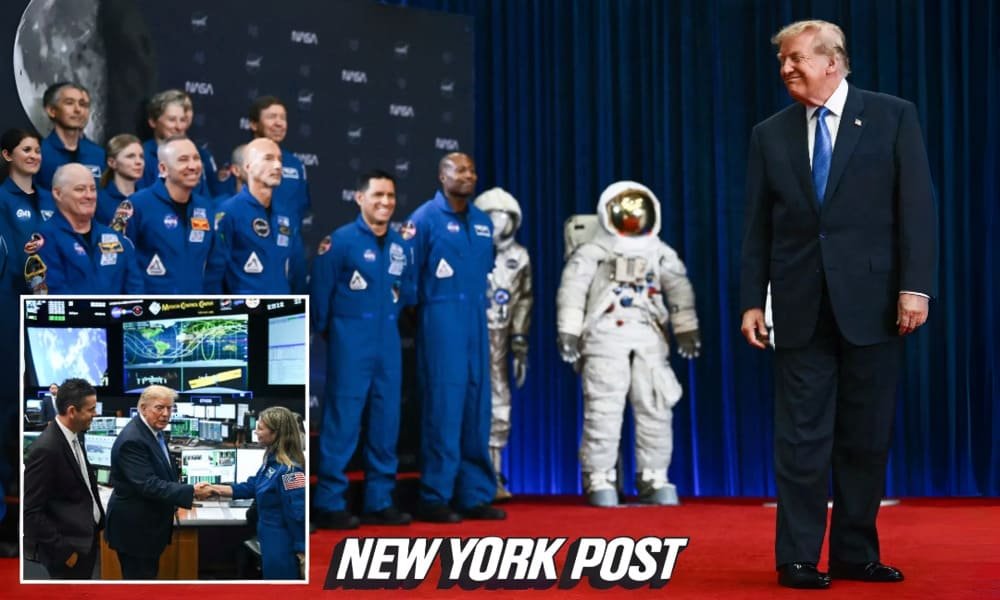
A first-look deal with Crazy Legs Productions turns the New York Post archive into a development library for film, television and streaming.
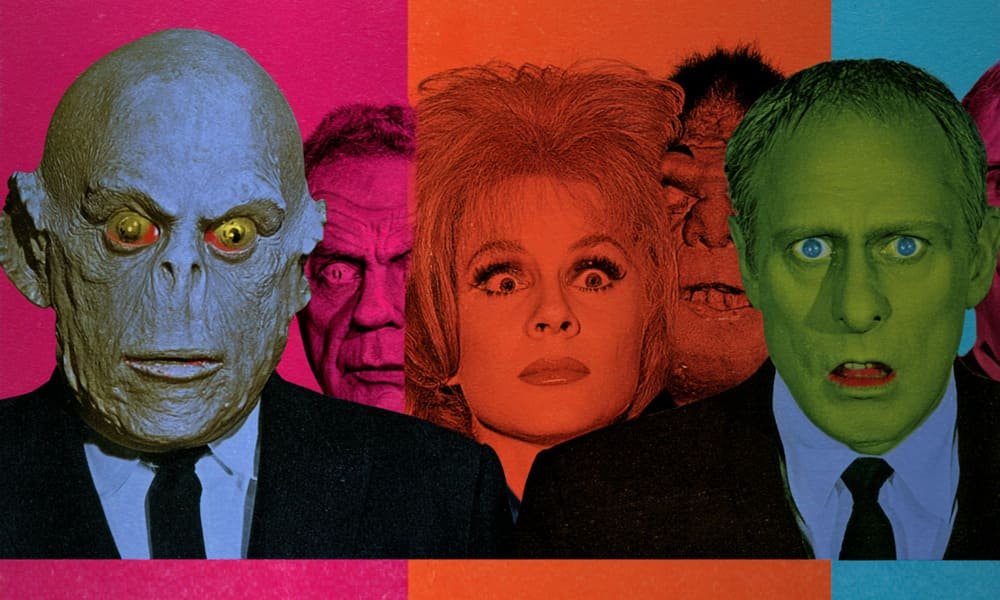
Roy Price’s N1BW turns 60–120 second microseries into a public development system where every episode can function as a pilot, market test and production decision.
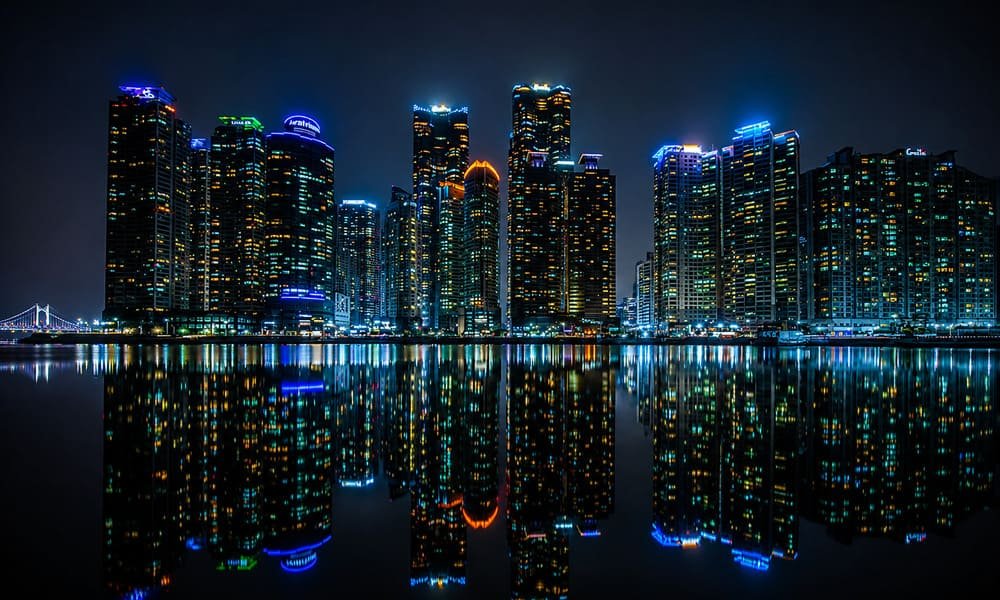
At Busan’s Asian Contents & Film Market, AI, cloud infrastructure, VFX, microdrama and audience biometrics are being organized into one production-and-distribution chain.
Higgsfield brings streamers and UFC champions into Cully Hill Boys: an AI-generated film experimenting with licensed avatars, compensation, and filmmaking without a set.
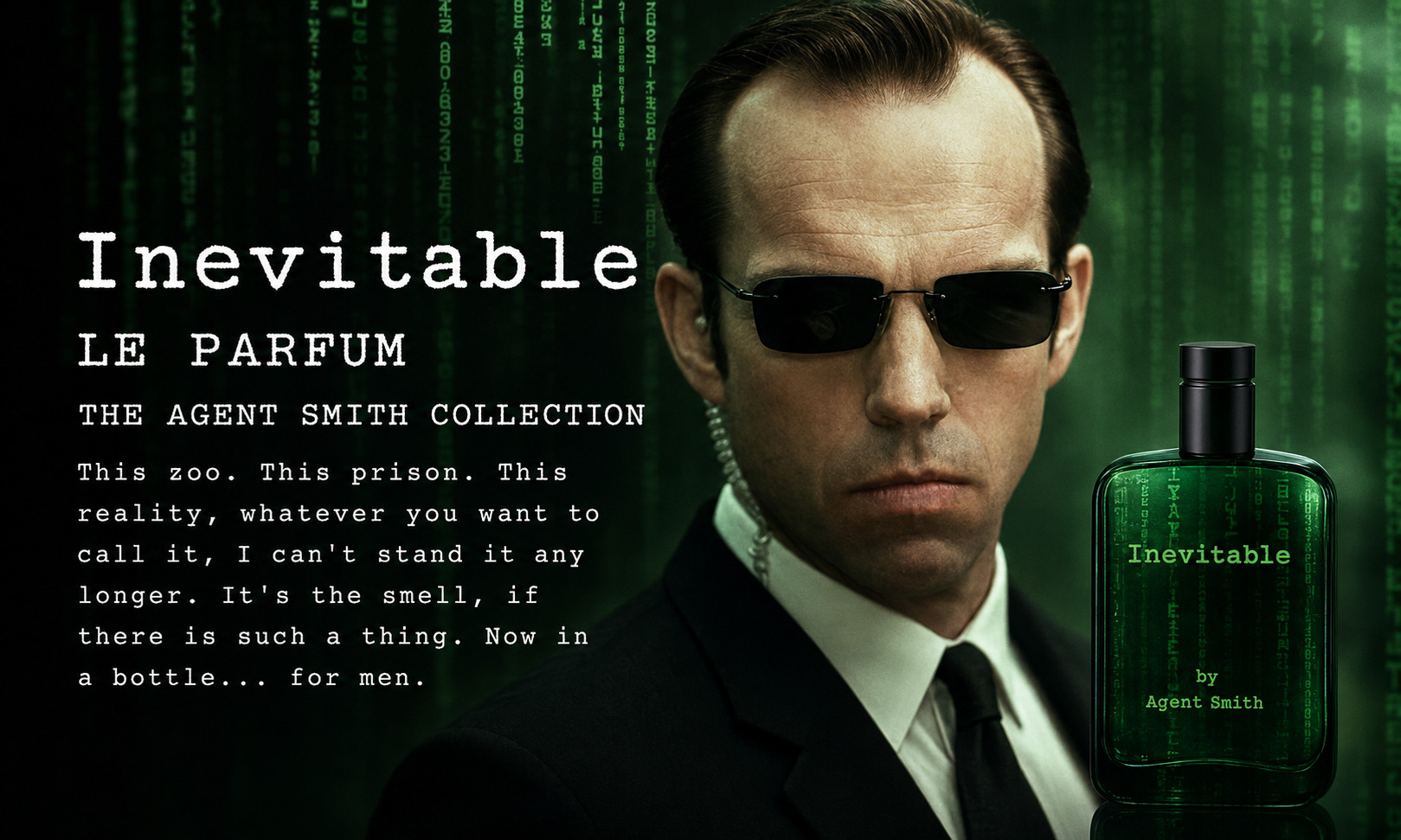
From Del Toro to Nolan, artists, unions and researchers are mounting increasingly influential resistance to the use of artificial intelligence. Yet an anti-AI front is not enough to create the cultural reverse shot still missing from the narrative of industrial inevitability.
Netflix reportedly paid $587 million for InterPositive, while generative AI has already been used in around 300 of the group’s productions in 2026.
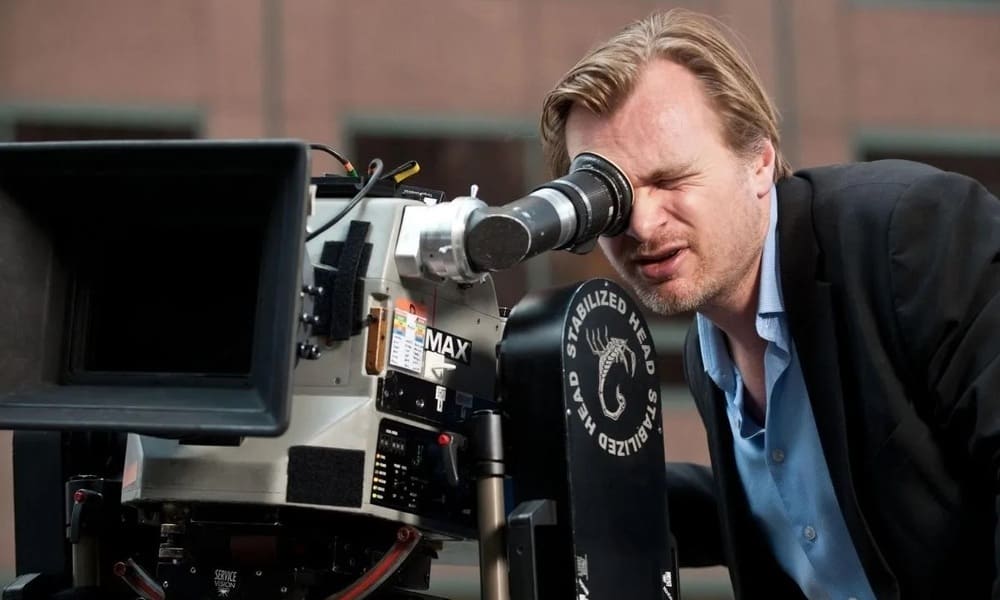
Christopher Nolan argues that Gen Z is rejecting AI in cinema. But four children and two Western success stories do not represent a global audience.