Now Reading: Netflix Acquires InterPositive, the AI Startup Founded by Ben Affleck
-
01
Netflix Acquires InterPositive, the AI Startup Founded by Ben Affleck

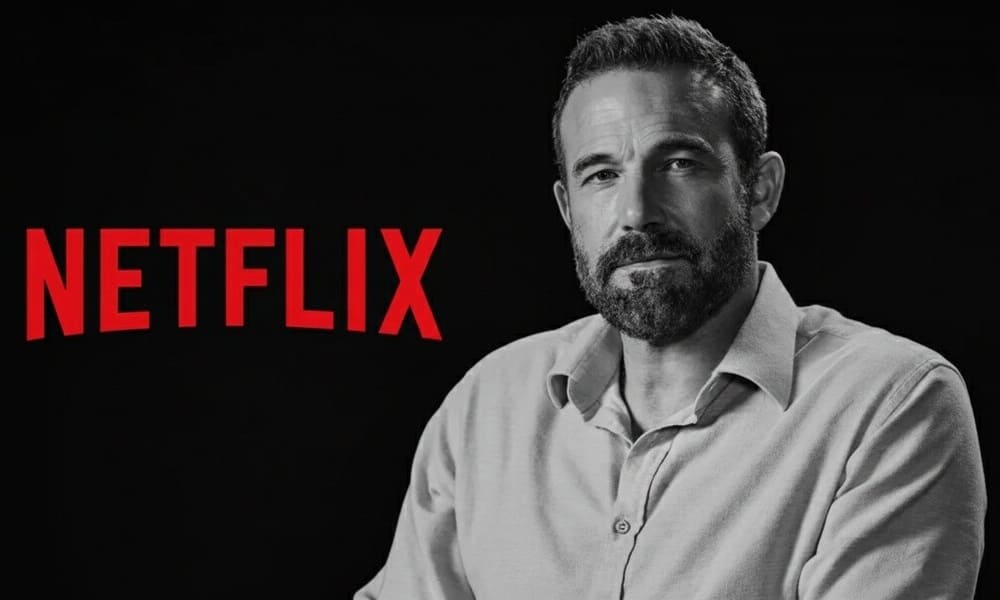
Netflix is betting on AI for filmmaking, acquiring InterPositive, the company founded by Ben Affleck to support directors and creative professionals during production.
Netflix has officially entered the field of artificial intelligence applied to filmmaking with the acquisition of InterPositive, the technology company founded in 2022 by Ben Affleck. The company develops AI tools designed to support directors and creative teams during production and post-production, assisting the creative process while keeping artistic control in the hands of filmmakers.
Today’s leading AI systems are developed by OpenAI, Google, Meta and xAI. Were Hollywood to become technologically dependent solely on these companies, studios could eventually lose creative control. In this context, InterPositive will provide Netflix with an AI system designed around the language of cinema, based on proprietary datasets and professional tools created specifically for the needs of directors and showrunners.
Affleck will also join Netflix as a senior adviser, while the startup’s entire team of engineers and researchers will become part of the platform. The aim is to make production faster and more efficient without replacing screenwriters, directors or actors.
AI as a Creative Tool, Not a Replacement for Artists
Artificial intelligence has become an extremely sensitive issue in Hollywood following the 2023 strikes and concerns raised by industry unions. For this reason, Netflix and Affleck are emphasizing a clear message: AI should enhance human creativity, not replace it.
From a technical perspective, InterPositive’s tools are designed to understand the “visual logic” of cinema and support directors during the most labor-intensive parts of production. The AI analyzes the actual footage from a project—the dailies—to create customized models for each film or series. These models can correct lighting, recolor or relight a scene, reframe an image, fix continuity errors, replace backgrounds or reconstruct missing shots while preserving visual consistency. The goal is not to generate films automatically, but to streamline technical work on set and during post-production, leaving filmmakers with more room for creativity.
Affleck said: “From the invention of moving pictures to the transition to digital, from motion capture to virtual production, technology has evolved alongside the artists who use it. Our shared commitment to continuing this tradition makes joining forces a natural step, together with Netflix’s decades of experience in applying and scaling technology responsibly.”
A Strategic Move for Netflix After the Major Warner Deal
The acquisition comes at a particularly significant moment for Netflix. A few days ago, the company withdrew from the race to acquire Warner Bros. Discovery after being outbid by Paramount Skydance. To complete its deal with Warner, Paramount even paid Netflix a termination fee of approximately $2.8 billion, as stipulated in the previous agreement between the parties.
This influx of cash, combined with Netflix’s withdrawal from the major merger, has encouraged the platform to invest in alternative strategies. Acquiring an in-house AI startup therefore represents a more focused choice: instead of buying a major studio, Netflix is investing in the technology that could transform the way content is produced.
Bela Bajaria, Netflix’s Chief Content Officer, said: “Our relationship with artists has always been built on trust: supporting the full range of their creativity and ensuring they have the power to decide how films and series are made. We believe new tools should expand creative freedom, not restrict it or replace the work of screenwriters, directors, actors and crews.”
Why This Deal Could Change the Future of Cinema
The true significance of Netflix’s move extends beyond this single acquisition. If tools such as those developed by InterPositive are successfully optimized, they could drastically reduce production costs and make filmmaking and television production more accessible to smaller teams.
At the same time, Netflix is attempting to retain control over the development of AI within the creative ecosystem, avoiding complete dependence on the major technology companies. It is a strategy that could redefine the balance between technology and storytelling over the coming years.
“What AI will do is eliminate the most labor-intensive, least creative and most expensive aspects of filmmaking. This will reduce costs, lower the barrier to entry and allow more voices to be heard, making it easier for people who want to make films like Good Will Hunting to actually make them.”